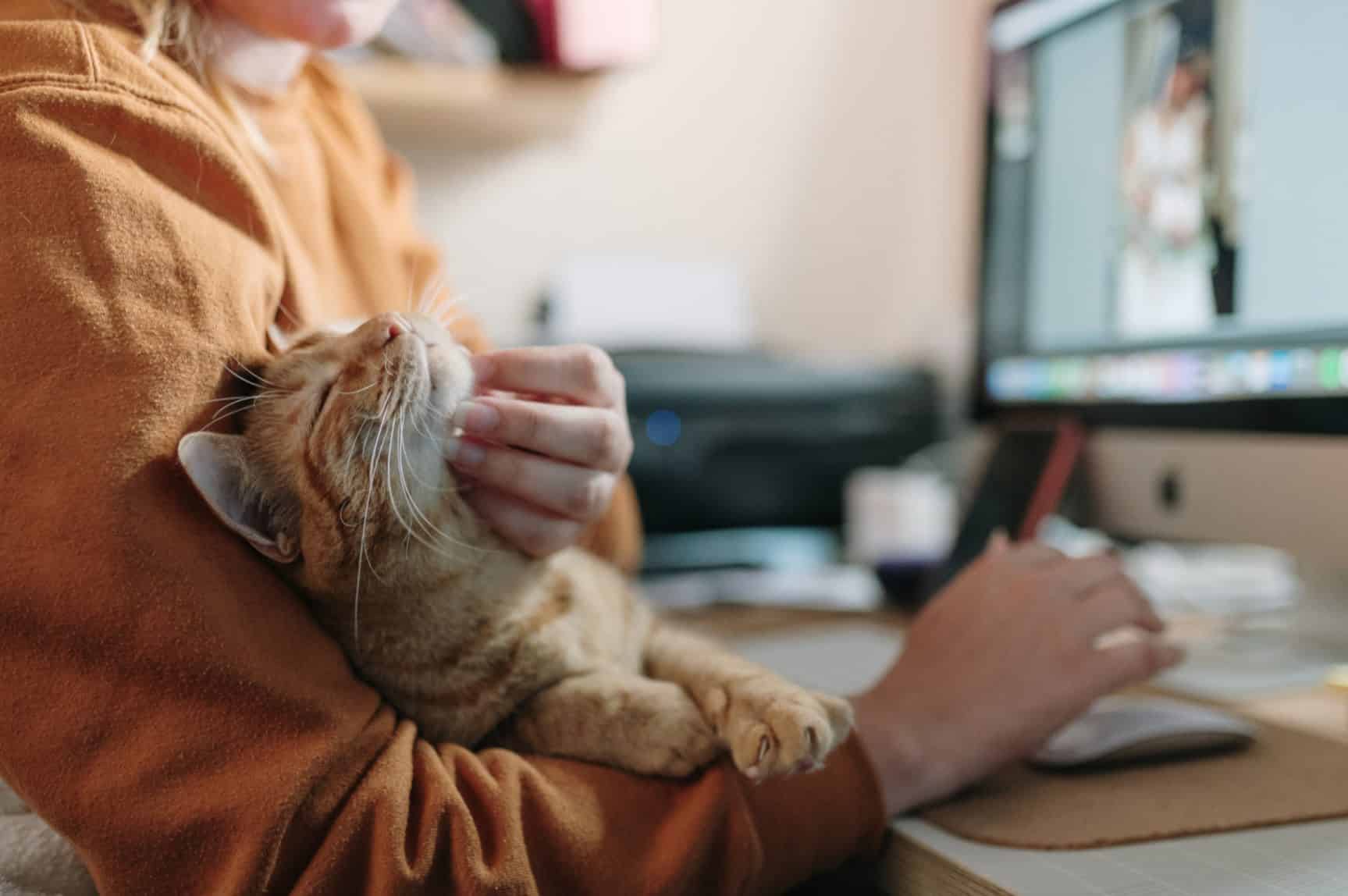







Maintaining healthy indoor felines requires a dedicated approach to their daily wellness. Unlike their outdoor counterparts, indoor cats rely entirely on their human companions to provide for their physical and mental needs. This responsibility encompasses everything from diet and exercise to environmental enrichment and preventative healthcare. By establishing and consistently implementing good daily habits, cat owners can significantly improve their feline friends’ quality of life, helping them to thrive in an indoor environment. We’ll explore key strategies for optimal feline well-being in 2026, focusing on practical tips you can easily incorporate into your routine.
Diet and Hydration
A well-balanced diet is foundational to the health of any cat, but particularly crucial for indoor felines whose activity levels may be less than those of outdoor cats. Choose a high-quality cat food formulated for their life stage (kitten, adult, or senior) and activity level. Look for foods with real meat as the primary ingredient and avoid those with excessive fillers like corn or wheat. Be mindful of portion sizes to prevent obesity, a common health concern among indoor cats. Consistent meal times can also contribute to their overall sense of security and well-being.
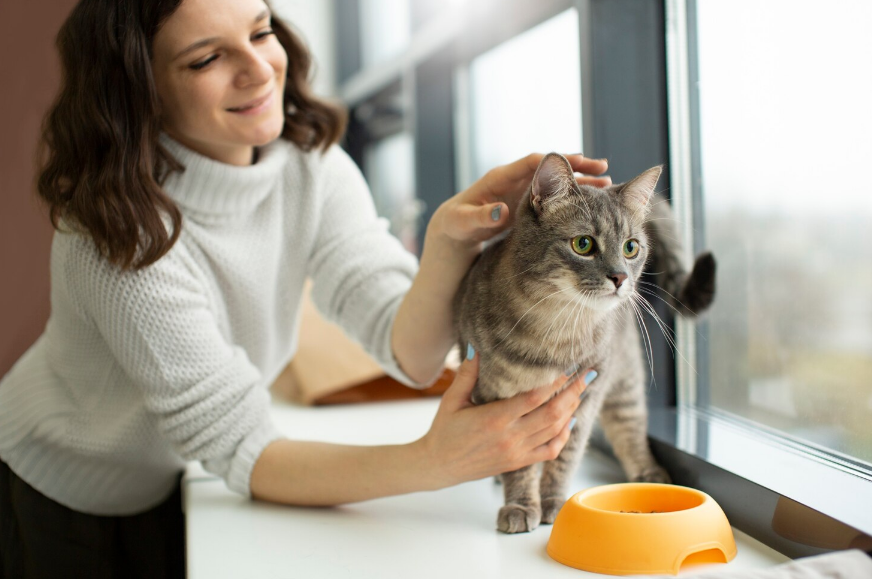
Proper hydration is just as vital as diet for healthy indoor felines. Cats often don’t drink enough water on their own, so encourage fluid intake through various methods. Provide multiple water sources throughout the house, including bowls and water fountains. Some cats prefer running water, while others prefer still water. Wet food is another excellent way to increase their daily water intake, as it contains a significantly higher percentage of moisture compared to dry kibble. Offering both wet and dry food can be a great way to cater to their preferences while ensuring they stay adequately hydrated. Consider a cat-specific water fountain to encourage drinking.
Environmental Enrichment
Indoor cats need plenty of opportunities to engage in natural behaviors, such as scratching, climbing, playing, and exploring. Providing a stimulating environment is key to preventing boredom and associated behavioral issues like destructive scratching or excessive grooming. Vertical space, such as cat trees and shelves, allows them to climb and survey their surroundings, satisfying their instinct to seek high vantage points. Adding a window perch can also provide hours of entertainment as they watch the world outside.
Interactive play is crucial for both physical and mental stimulation. Engage your cat in daily play sessions using toys like wands, lasers, or puzzle feeders. These activities tap into their hunting instincts and help them burn energy. Rotate toys regularly to keep them interested and prevent boredom. Consider introducing new toys or changing the arrangement of their environment occasionally to keep things fresh. It’s important to schedule at least 15-20 minutes of interactive play each day to keep your feline friend engaged and happy. Remember that even older cats benefit from playtime adapted to their physical capabilities.
Scratching Posts
Scratching is a natural and necessary behavior for cats. It helps them to maintain their claws, mark their territory, and stretch their muscles. Providing appropriate scratching surfaces, such as scratching posts or mats, is essential for preventing them from scratching furniture. Experiment with different types and materials to find what your cat prefers. Place scratching posts in prominent locations, such as near sleeping areas or doorways, to encourage their use. Reward them with treats or praise when they use the scratching posts to reinforce the desired behavior.
Litter Box Hygiene
Maintaining a clean and accessible litter box is crucial for your cat’s hygiene and well-being. Cats are naturally fastidious creatures, and a dirty or inaccessible litter box can lead to avoidance, resulting in inappropriate elimination. Scoop the litter box at least once a day, and completely empty and clean it weekly. Choose a litter that your cat prefers; unscented, clumping litter is often a good choice. Provide an adequate number of litter boxes, typically one per cat plus one extra, and place them in quiet, easily accessible locations.
The location, size, and type of litter box can significantly impact its usability for your cat. Ensure the litter box is large enough for your cat to comfortably turn around and dig. Some cats prefer covered litter boxes, while others prefer open ones. Experiment to find what your cat prefers. Avoid placing the litter box near food and water bowls, as cats prefer to eliminate away from their eating areas. Keep the area around the litter box clean and free of clutter to encourage its use. Older cats may benefit from a low-entry litter box for easier access.
Grooming Practices
Regular grooming is essential for maintaining your cat’s coat health and preventing matting, especially for long-haired breeds. Brush your cat several times a week to remove loose hair and prevent hairballs. Regular brushing also distributes natural oils throughout their coat, keeping it healthy and shiny. Introduce grooming early in your cat’s life to help them become accustomed to the process. Use a brush that is appropriate for their coat type, and be gentle to avoid irritating their skin.
In addition to brushing, occasional bathing may be necessary, especially if your cat gets dirty or has oily fur. Use a cat-specific shampoo and avoid getting water in their ears or eyes. Some cats tolerate bathing better than others, so be patient and make the experience as stress-free as possible. Nail trimming is another important aspect of grooming, as overgrown nails can become painful or get caught on furniture. Trim your cat’s nails every few weeks using cat-specific nail clippers, being careful not to cut the quick.
Preventative Healthcare
Regular veterinary checkups are crucial for maintaining your cat’s health and detecting potential problems early. Schedule annual wellness exams to monitor their overall health, administer vaccinations, and screen for common feline diseases. Talk to your veterinarian about parasite prevention, including fleas, ticks, and heartworms, and follow their recommendations for medication. Indoor cats may still be at risk for certain parasites, so preventative measures are essential.
Dental health is often overlooked but plays a significant role in your cat’s overall well-being. Dental disease is common in cats and can lead to pain, tooth loss, and systemic health problems. Brush your cat’s teeth daily, or at least a few times a week, using cat-specific toothpaste. Provide dental treats or chews that can help remove plaque and tartar. Schedule regular dental cleanings with your veterinarian to maintain their oral hygiene. Addressing dental issues promptly can significantly improve your cat’s comfort and quality of life in 2026.
Creating a Safe Space
Ensuring your home is a safe and secure environment for your cat is paramount. Identify and eliminate potential hazards, such as poisonous plants, exposed electrical cords, and toxic cleaning products. Secure windows and balconies to prevent falls. Provide your cat with a safe space where they can retreat when they feel stressed or overwhelmed. This could be a designated room, a comfortable bed, or a covered cat carrier. Make sure they have access to food, water, and a litter box in their safe space.
Introduce new people and pets to your cat gradually and allow them to adjust at their own pace. Avoid forcing interactions, and provide hiding places where your cat can retreat if they feel uncomfortable. Loud noises and sudden movements can be stressful for cats, so try to minimize these stressors in their environment. Pheromone diffusers can also help to create a calm and relaxing atmosphere. Creating a predictable and secure environment will help your cat feel safe and comfortable in their home.
Key Takeaways
- Provide a balanced diet and ensure adequate hydration.
- Offer environmental enrichment with climbing structures and interactive play.
- Maintain a clean and accessible litter box.
- Practice regular grooming to prevent matting and hairballs.
- Schedule annual veterinary checkups and preventative care.
- Create a safe and secure environment with a designated safe space.
Frequently Asked Questions
How often should I clean my cat’s litter box?
Ideally, you should scoop your cat’s litter box at least once a day and completely empty and clean it once a week. This helps to maintain hygiene and prevent your cat from avoiding the litter box.
What are some signs that my cat is not getting enough exercise?
Signs of insufficient exercise in cats include weight gain, lethargy, destructive behavior, and excessive sleeping. Increasing their playtime and providing more opportunities for physical activity can help alleviate these issues.
Is it necessary to brush my cat’s teeth?
Yes, brushing your cat’s teeth is highly recommended to prevent dental disease. Aim to brush their teeth daily or at least a few times a week using cat-specific toothpaste. Regular dental checkups with your veterinarian are also essential.
How can I tell if my cat is stressed?
Signs of stress in cats include hiding, excessive grooming, changes in appetite, aggression, and inappropriate elimination. Identifying and addressing the source of stress is crucial for their well-being.
What type of cat food is best for indoor cats?
A high-quality cat food formulated for their life stage and activity level is best for indoor cats. Look for foods with real meat as the primary ingredient and avoid those with excessive fillers.
Conclusion
Establishing daily wellness habits for indoor felines is vital for their health and happiness. By focusing on diet, environmental enrichment, hygiene, preventative healthcare, and creating a safe space, cat owners can significantly enhance their feline companions’ quality of life. Remember that consistency is key, and tailoring these habits to your cat’s individual needs and preferences will yield the best results. With dedication and care, you can ensure that your indoor feline thrives in a comfortable and stimulating environment in 2026.