






Keeping apartment cats active can be a challenge, but it’s crucial for their physical and mental well-being. Unlike their outdoor counterparts, indoor cats often lack opportunities for natural hunting and exploration, leading to boredom, obesity, and related health issues. Understanding their innate behaviors and providing engaging outlets for their energy is key to ensuring a happy and healthy life. This article explores several creative and effective exercise ideas to keep your feline friend stimulated and thriving in their apartment environment, ensuring they lead a fulfilling life well into 2026.
Interactive Play Sessions
Engaging in regular play sessions that mimic hunting behavior is essential for apartment cats. Use toys like feather wands, laser pointers, and toy mice to stimulate their predatory instincts. Vary the speed and movement of the toy to keep them interested and challenged. The goal is to get them running, jumping, and pouncing, mimicking a real hunt. Consistent playtime, even for just 15-20 minutes a day, can significantly improve their activity levels and overall mood. Remember to let them “catch” the toy at the end of the session to provide a sense of accomplishment and satisfaction, avoiding frustration.
Interactive toys can be a great way to bond with your cat and provide mental stimulation. Puzzle feeders, for example, require cats to work for their food, encouraging problem-solving and extending mealtime. These toys can prevent boredom and overeating, both common issues for indoor cats. Experiment with different types of toys to find what your cat enjoys most. Some cats prefer toys that make noise, while others are drawn to textures and materials. Observe your cat’s preferences and tailor your play sessions accordingly, ensuring they remain engaged and entertained, even if they spend lots of time alone.
Creating an Enriching Environment
Transform your apartment into a stimulating playground for your cat by incorporating vertical space. Cat trees, shelves, and window perches provide opportunities for climbing, scratching, and observing the world outside. Cats naturally enjoy elevated locations, feeling safer and more in control from above. Arrange the furniture in a way that allows your cat to easily navigate and explore different levels of the apartment. This can make a small space feel larger and more engaging for them. A well-designed environment can also alleviate behavioral problems stemming from boredom and lack of stimulation.
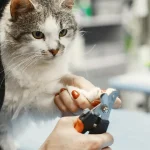
Scratching posts are a must-have for apartment cats, allowing them to groom their claws and mark their territory. Provide a variety of scratching surfaces, such as cardboard, sisal, and carpet, to cater to their preferences. Place the scratching posts in strategic locations, such as near their sleeping area or favorite hangout spots. You might consider adding catnip to entice them to use the posts. Rotate toys and move furniture periodically to keep the environment fresh and exciting. A novel environment encourages exploration and provides mental stimulation, reducing the chances of sedentary behavior. This is particularly important as we head toward 2026, ensuring your cat remains physically and mentally active.
Food-Based Activities
Turn mealtime into an activity by using food puzzles or hiding small portions of food around the apartment. This encourages your cat to hunt for their meals, providing mental stimulation and physical exercise. Start with easy-to-solve puzzles and gradually increase the difficulty as your cat becomes more proficient. You can also scatter dry food around the apartment, encouraging them to explore and forage. This imitates their natural hunting behavior and prevents them from gobbling down their food too quickly, which can lead to digestive issues. Remember to adjust their overall food intake to account for the extra treats or snacks they might find during their foraging expeditions.
Another fun activity is to create a “snuffle mat” by hiding treats within the fabric. The cat can then hunt for the treats by sniffing and pawing through the mat. This provides mental stimulation and slows down their eating. It’s a very simple DIY project that can keep your cat entertained for hours. Ensure that the treats you use are healthy and appropriate for your cat’s dietary needs. You can incorporate this food-based activity into your cat’s daily routine to keep them engaged and active. Consider using different types of treats to keep things interesting and cater to your cat’s particular taste.
Harness Training and Outdoor Adventures
For cats who enjoy exploring, consider harness training and taking them outside for supervised walks. Start by introducing the harness indoors and gradually accustom them to wearing it. Begin with short walks in quiet areas and gradually increase the duration and distance as your cat becomes more comfortable. Always use a secure harness designed specifically for cats to prevent them from escaping. Outdoor walks provide a wealth of sensory stimulation, allowing them to experience new sights, smells, and sounds. This can be incredibly enriching for indoor cats, but it’s crucial to prioritize their safety at all times.
Before venturing outdoors, ensure your cat is up-to-date on their vaccinations and flea and tick prevention. Choose safe walking areas that are free from traffic and other hazards. Always keep your cat on a leash and monitor their behavior closely. Some cats may be more hesitant or fearful than others, so it’s important to be patient and supportive. Remember that harness training is not suitable for all cats. If your cat shows signs of distress or anxiety, it’s best to discontinue the training and focus on other enrichment activities. However, for the right cat, a safe outdoor adventure can open up a new world of exploration and excitement. Always consult with your veterinarian for advice and guidance on ensuring your cat’s safety during outdoor excursions.
Cat Wheels
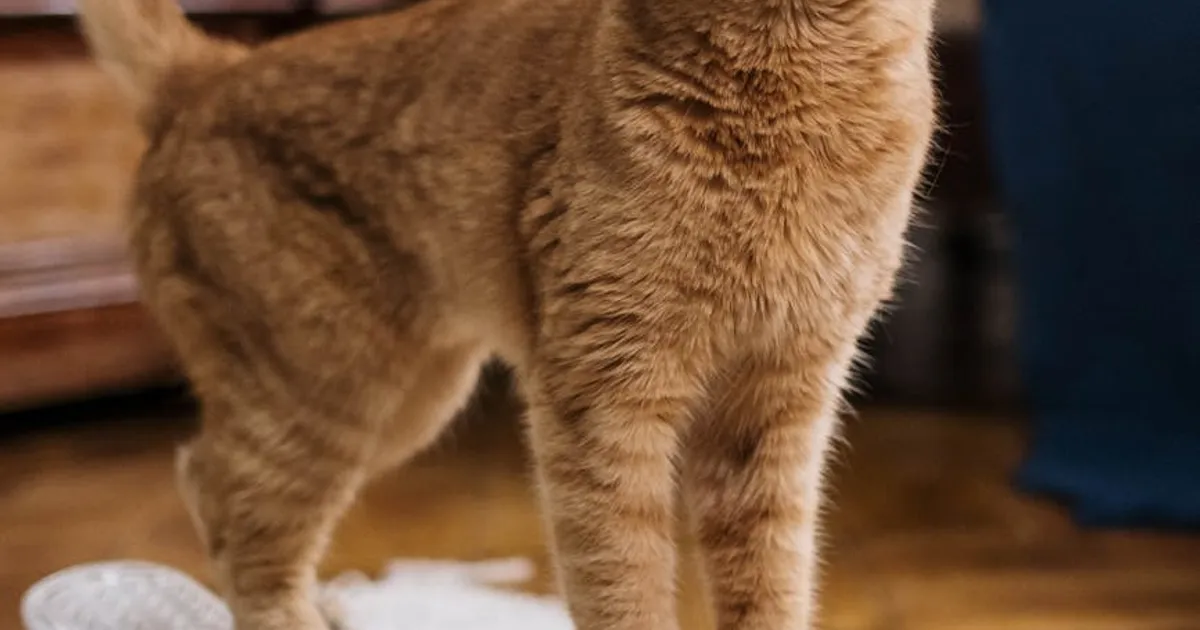
Cat wheels are large hamster wheel-like devices designed for cats, offering an outlet for pent-up energy. They are particularly useful for active breeds or cats with high energy levels. The wheel allows cats to run indoors, satisfying their natural instinct for movement. When selecting a cat wheel, choose a sturdy and durable model with a smooth, quiet operation to avoid scaring your cat. Introduce the wheel gradually, using treats or toys to encourage your cat to explore it. With patience and encouragement, many cats can learn to enjoy running on the wheel and getting a great workout indoors.
Creating a Cat-Friendly Apartment Layout
Optimizing your apartment layout to cater to your cat’s needs can significantly increase their activity levels. Arrange furniture to create pathways and climbing opportunities. Use shelves, bookcases, and cat trees to provide vertical space for jumping and exploring. Provide window perches where your cat can bask in the sun and observe the outside world. These modifications encourage natural behaviors and keep them engaged throughout the day.
Pay attention to your cat’s preferences when arranging the apartment. Observe where they like to spend their time and create comfortable and stimulating spaces in those areas. Ensure they have access to fresh water, clean litter boxes, and comfortable resting places. A well-designed apartment caters to your cat’s physical and mental needs, promoting a happy and healthy lifestyle. Rotate toys and furniture periodically to keep the environment fresh and exciting, ensuring that your cat never gets bored and consistently finds ways to be stimulated. The benefits will be noticeable for years to come.
Social Interaction and Companionship
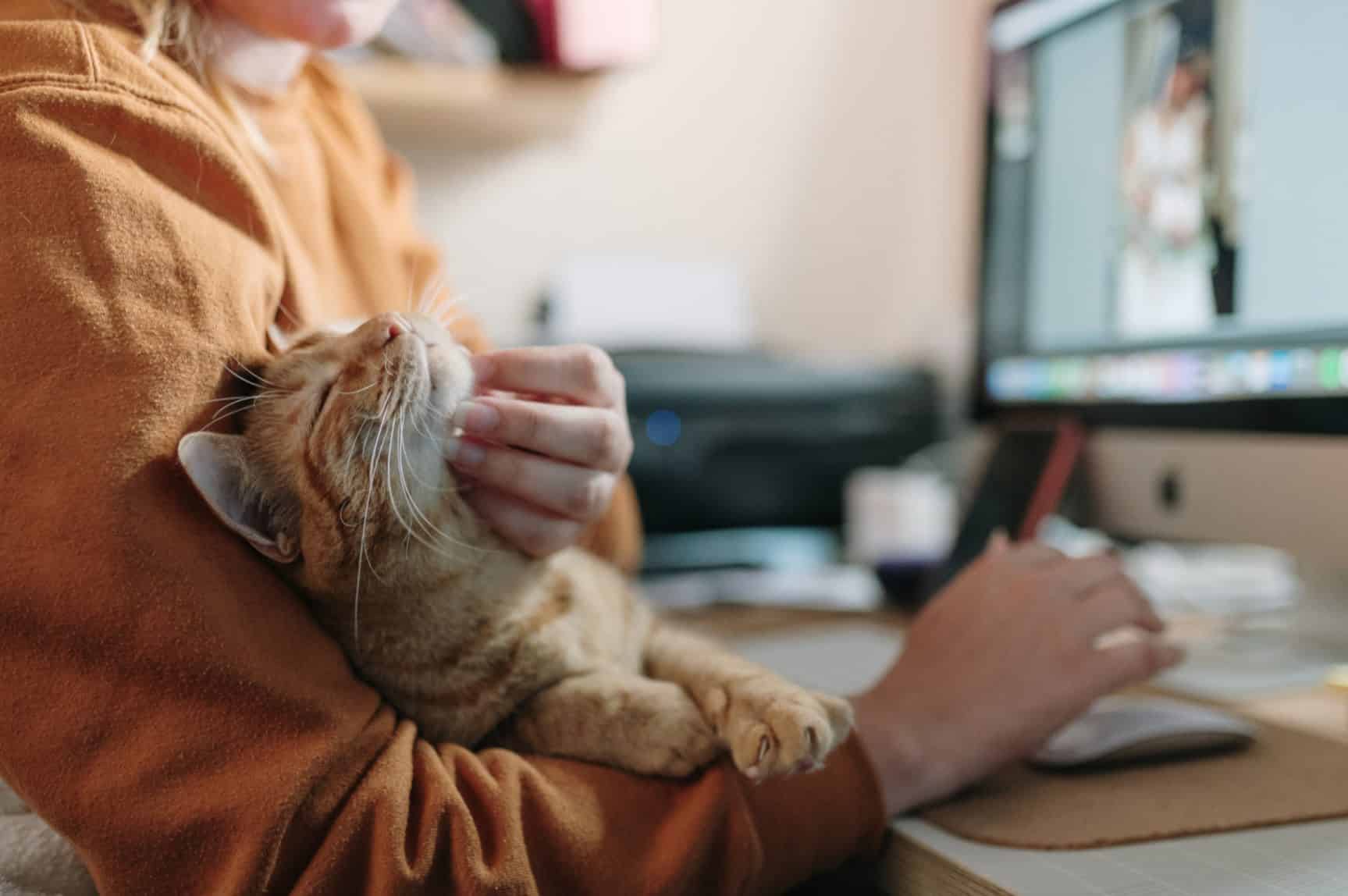
While some cats thrive as solitary animals, many benefit from social interaction with other cats or even with humans. If you have the space and resources, consider adopting a second cat to provide companionship. Cats can play together, groom each other, and provide mental stimulation for one another. Ensure the cats are properly introduced to avoid conflicts. If adopting another cat isn’t feasible, dedicate time each day for cuddling, grooming, and talking to your cat. This strengthens your bond and provides them with the social interaction they need. Even just a few minutes of focused attention can make a big difference in their wellbeing.
If you work long hours or travel frequently, consider hiring a pet sitter or using a cat-sitting service to provide social interaction and playtime while you’re away. A pet sitter can give your cat attention, feed them, and clean their litter box, ensuring they don’t feel lonely or neglected. Interactive toys, such as automatic laser pointers or treat-dispensing balls, can also provide entertainment and stimulation when you’re not around. However, nothing fully replaces the bond between you and your furry friend. Even a small amount of social interaction goes a long way.
Key Takeaways
- Regular interactive play sessions are vital for simulating hunting behavior.
- Vertical space and scratching posts enrich the indoor environment.
- Food puzzles and foraging activities provide mental and physical stimulation.
- Harness training can allow for safe outdoor exploration.
- Optimizing the apartment layout encourages movement and exploration.
- Social interaction, whether with humans or other cats, is crucial for well-being.
Frequently Asked Questions
How much exercise does my apartment cat need?
Most apartment cats benefit from at least 15-30 minutes of active play each day, divided into multiple sessions. This can be supplemented with environmental enrichment activities like climbing trees and food puzzles.
What are the signs that my cat isn’t getting enough exercise?
Signs include excessive sleeping, weight gain, destructive behavior, and aggression. If you notice these signs, it’s crucial to increase your cat’s activity levels.
Is it safe to take my apartment cat outside on a leash?
Yes, with proper harness training and precautions. Use a secure harness, ensure your cat is vaccinated, and choose safe walking areas.
What types of toys are best for apartment cats?
A variety of toys are ideal to keep your cat engaged. Feather wands, laser pointers, puzzle feeders, and toy mice are all good options. Rotate the toys regularly to prevent boredom.
How can I make my small apartment more cat-friendly?
Utilize vertical space with shelves and cat trees, provide window perches, and create pathways between furniture. Ensure your cat has access to scratching posts and comfortable resting places.
Conclusion
Providing ample exercise for apartment cats is essential for their physical and mental health. By incorporating interactive play sessions, creating an enriched environment, and offering food-based activities, you can transform your apartment into a stimulating playground for your feline friend. Remember to consider their individual preferences and tailor your activities to suit their needs. With dedication and creativity, you can ensure that your cat thrives in their indoor environment, leading a happy, healthy, and fulfilling life throughout 2026 and beyond, thus strengthening the bond between you and your furry apartment companion.