







Loneliness in indoor felines is a serious concern for responsible pet owners. Cats, despite their independent reputation, are social creatures and can suffer from isolation, especially when confined indoors for extended periods. Implementing a structured daily routine is crucial in preventing feline loneliness and promoting their overall well-being. A thoughtfully designed schedule provides mental stimulation, physical activity, and opportunities for interaction, all of which contribute to a happier and healthier life for your feline companion. This article will explore key aspects of a daily routine tailored to combatting loneliness in your indoor cat, ensuring they thrive in their environment. Understanding how to cater to their needs within the confines of your home is essential for responsible cat ownership in 2026.
Enriching the Environment
Creating a stimulating environment is paramount to preventing loneliness in indoor cats. This goes beyond simply providing food and water. Think about vertical space: Cats love to climb and observe their surroundings from a higher vantage point. Cat trees, shelves, and window perches offer valuable opportunities for exploration and a sense of control over their territory. A variety of toys, rotated regularly, can also keep them engaged and prevent boredom. Consider puzzle toys that dispense treats, encouraging problem-solving skills and mental stimulation. Remember to provide scratching posts to satisfy their natural instincts and prevent damage to furniture.
Strategic placement of resources is also vital. Ensure that food, water, litter boxes, and resting areas are easily accessible and located away from high-traffic areas or potential stressors. Multiple cats in the household should have access to separate resources to avoid competition and reduce anxiety, thus preventing loneliness. Window access is important, allowing your cat to observe the outside world and satisfy their curiosity. If you’re concerned about outdoor dangers, explore cat-safe window screens or enclosed outdoor “catios” that provide a protected view. By enriching their environment, you give your cat plenty to do even when you’re not actively interacting with them. The better the cat’s environment is, the less they will succumb to feline loneliness.
Interactive Playtime
Dedicated playtime is perhaps the most crucial element in preventing loneliness in indoor cats. Aim for at least two 15-20 minute sessions of interactive play each day. This is far more beneficial than simply leaving toys lying around. Engage with your cat using toys like feather wands, laser pointers (use responsibly and sparingly), or toys attached to strings. Mimic natural hunting behaviors by moving the toys in ways that stimulate their prey drive. Vary the type of play each session to keep them interested and entertained so they are not stuck in boredom.
The goal is to provide mental and physical exercise, mimicking the activities they would engage in if they were hunting outdoors. Pay attention to your cat’s preferences – some cats prefer chasing, while others prefer pouncing. End each playtime session with a “catch” to satisfy their hunting instinct and give them a sense of accomplishment. Interactive play not only helps prevent loneliness but also strengthens the bond between you and your cat. Cats’ needs for play should not be ignored. According to the American Animal Hospital Association (AAHA), regularly scheduled play sessions are integral to feline well-being: AAHA Cat Behavior
Scheduled Feeding Times
Establishing a regular feeding schedule can provide structure and reassurance for your cat. Instead of free-feeding (leaving food out all day), offer measured portions at specific times each day. This helps regulate their appetite, prevents overeating, and can provide a sense of anticipation and routine. The regularity will soothe a lonely cat. Consider using puzzle feeders or food balls to make mealtimes more engaging and mentally stimulating, turning what would be a quick activity into mental enrichment.
If you have multiple cats, ensure they each have their own designated feeding area to prevent competition and stress. Monitor their food intake to ensure everyone is eating appropriately. Adjust the feeding schedule as needed based on your cat’s age, activity level, and any health conditions. A predictable feeding routine can contribute to a sense of security and reduce anxiety, playing a significant role in preventing loneliness. Introducing a regular time for mealtime can significantly reduce the amount of loneliness experienced by indoor cats. Scheduled feedings can reduce undesirable behaviors as well.
The Importance of Social Interaction
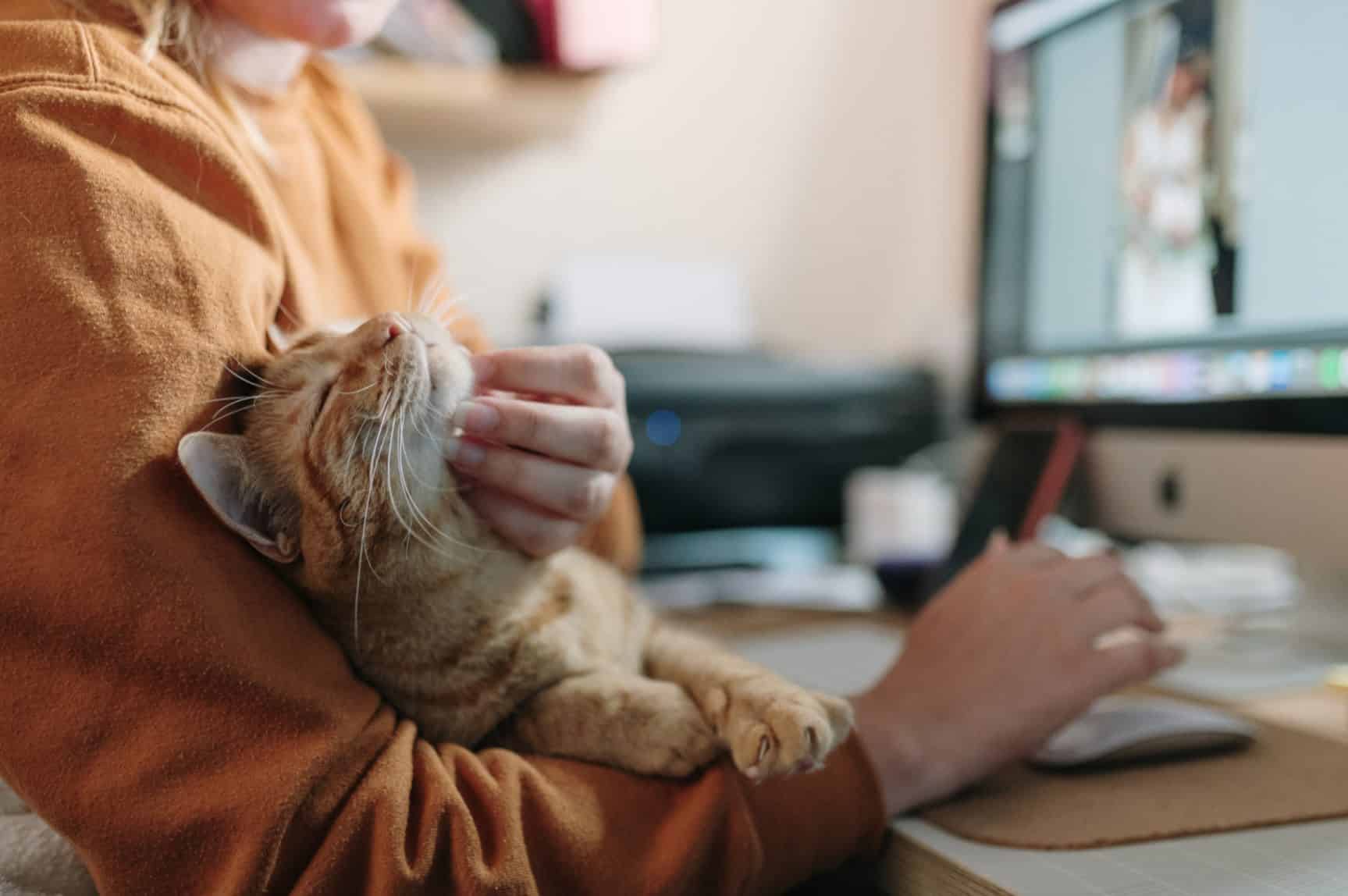
While cats are often perceived as solitary animals, they still require social interaction, even if it’s on their own terms. Dedicate time each day to interact with your cat, whether it’s through petting, grooming, talking, or simply being present in the same room. Respect their boundaries and allow them to initiate interaction. Some cats may enjoy being held and cuddled, while others prefer a more subtle form of affection. Observing your cat’s body language and responding accordingly is key to building a strong bond.
If you work long hours, consider adopting a second cat to provide companionship. Cats often benefit from having a feline friend to play with and groom. However, proper introductions are crucial to ensure a harmonious relationship. Introduce new cats slowly and provide them with separate resources. If adopting a second cat isn’t feasible, consider other options such as hiring a pet sitter or enrolling your cat in a cat-friendly daycare for occasional social interaction. Any social interaction, even with humans, can mitigate the effects of feline loneliness.
Grooming and Gentle Handling
Regular grooming is not only essential for maintaining your cat’s coat but also provides an opportunity for bonding and interaction. Most cats enjoy being brushed, especially in areas where they can’t reach themselves, such as their back and head. Grooming removes loose fur, prevents matting, and can even help reduce hairballs. Make grooming a positive experience by using a soft brush and offering treats or praise.
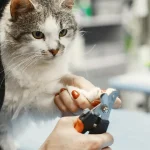
Handle your cat gently and respectfully. Avoid forcing them into uncomfortable positions or situations. Get them used to being touched and handled from a young age, especially their paws and ears, as this will make veterinary visits much easier down the road. Gentle handling can also help build trust and strengthen your bond, which is very useful in trying to avoid feline loneliness. A calm and consistent presence contributes to a secure and loving environment, diminishing the likelihood of loneliness. Proper grooming also helps with monitoring for any health issues cats might have.
Monitoring for Signs of Distress
It’s crucial to be vigilant in observing your cat for any signs of loneliness or distress. These may include excessive meowing, changes in appetite, increased sleeping, destructive behavior, or withdrawal from social interaction. If you notice any of these signs, consult with your veterinarian to rule out any underlying medical conditions. A change in behavior can be concerning and it is important to get it checked out. Sometimes problems may arise that would normally be undetectable.
Provide extra attention, playtime, and enrichment if you suspect your cat is feeling lonely. Consider adding pheromone diffusers or sprays to create a calming and secure environment. In some cases, behavioral modification techniques or medication may be necessary to address severe anxiety or depression. Regular check-ups with your veterinarian are essential for monitoring your cat’s overall health and well-being. Early intervention is key to addressing any issues before they escalate. Taking action can help your feline companion feel loved and secure in their home.
Maintaining a Clean Litter Box
A clean and accessible litter box is essential for your cat’s comfort and well-being. Cats are naturally clean animals and may avoid using a dirty litter box, leading to behavioral problems and health issues. Scoop the litter box at least once a day, and completely empty and clean it once a week. Use a litter that your cat prefers and avoid scented litters, as these can be irritating. The better the litter box is overall, the better off the cat will be.
Ensure that the litter box is located in a quiet and easily accessible location, away from food and water. Provide enough litter boxes for the number of cats in your household – a general rule of thumb is one litter box per cat plus one extra. Cats need their privacy just like people do. A clean environment shows cats that you care about them and therefore assists to prevent loneliness. This also helps with hygiene in the house.
Key Takeaways
- Enrich the environment with vertical space, toys, and scratching posts.
- Schedule interactive playtime sessions at least twice a day.
- Establish a regular feeding schedule with measured portions.
- Provide consistent social interaction through petting, grooming, and talking.
- Maintain a clean and accessible litter box.
- Monitor for signs of loneliness or distress and consult with your veterinarian.
Frequently Asked Questions
Can cats really get lonely?
Yes, despite their independent nature, cats are social creatures and can experience loneliness, especially when confined indoors without sufficient stimulation or interaction.
How much playtime does my cat need each day?
Aim for at least two 15-20 minute sessions of interactive play each day. The type of play should cater to your cat’s individual preferences and prey drive.
What are the signs of loneliness in cats?
Signs of loneliness in cats can include excessive meowing, changes in appetite, increased sleeping, destructive behavior, withdrawal from social interaction, or signs of depression.
Is it better to have two cats to prevent loneliness?
Adopting a second cat can provide companionship and prevent loneliness, but it’s crucial to introduce them properly and ensure they have separate resources to avoid competition. Another pet, like a dog or rabbit, can also help. However, always be observant of behaviors between animals.
How can I enrich my cat’s indoor environment?
Enrich your cat’s indoor environment by providing vertical space, toys, scratching posts, window perches, and puzzle feeders. Rotate toys regularly to keep them engaged and prevent boredom. Creating vertical space helps provide the cat with a safe place to be. This prevents any sort of bullying or negative social contact.
Conclusion
Preventing loneliness in indoor felines requires a proactive and thoughtful approach. By implementing a structured daily routine that includes environmental enrichment, interactive playtime, scheduled feeding times, social interaction, and careful monitoring, you can significantly improve your cat’s well-being. Understanding and catering to your cat’s specific needs ensures they thrive in their indoor environment, remaining happy, healthy, and engaged. Remember, responsible pet ownership in 2026 includes prioritizing your cat’s mental and emotional health, guaranteeing them a fulfilling and enriching life. This will help ease their transition into 2027!