






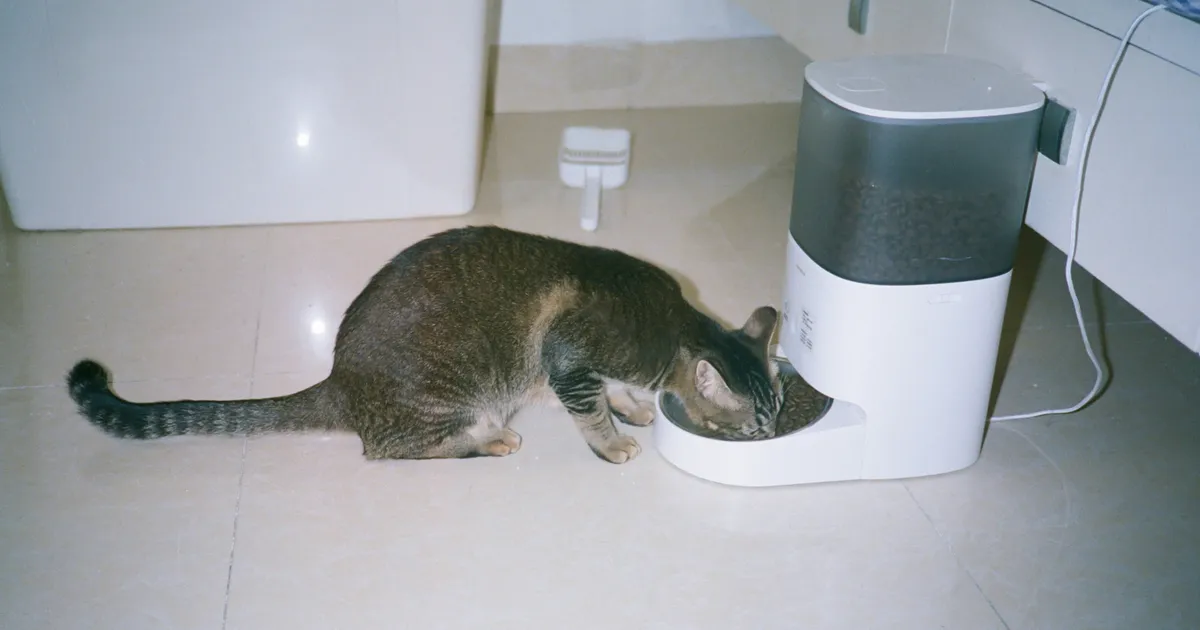


Automatic feeding devices have revolutionized pet care for busy individuals, providing a convenient and reliable way to nourish beloved animals even with hectic schedules. These innovative tools automate the feeding process, ensuring pets receive the right amount of food at the right time. In today's fast-paced world, where work commitments, travel, and social obligations often compete for our attention, automatic feeders offer peace of mind, knowing that our furry, scaled or feathered companions are well-cared for. This article explores the diverse types of automatic pet feeders available in 2026, their benefits, and how to choose the best option for your needs, simplifying pet care routines and enhancing pet well-being.
Understanding Automatic Pet Feeders
Automatic pet feeders are designed to dispense food at pre-set times and intervals. They range from simple gravity feeders that release food as the bowl empties, to sophisticated electronic feeders with portion control, scheduled feedings, and even smartphone connectivity. The primary goal of any automatic feeder is to provide consistent and reliable nutrition for pets, regardless of the owner's presence. This is particularly useful for pets that require multiple small meals throughout the day, or those with dietary restrictions that necessitate precise portion control. The market offers models suitable for cats, dogs, fish, reptiles, and even small animals like rabbits and guinea pigs.
The convenience of automatic feeders extends beyond just dispensing food. Many models offer features such as voice recording, allowing owners to record a message that plays before each feeding, reassuring pets even when they’re not physically present. Some feeders also have built-in cameras, enabling owners to monitor their pet's feeding habits remotely. The integration of technology into pet care reflects a growing trend towards proactive pet management, where owners can actively participate in their pet's well-being, even from a distance. As smart home technology advances, automatic feeders are becoming increasingly integrated into larger ecosystems of pet care devices.
Types of Automatic Feeders
There are several types of automatic feeders, each with its own advantages and disadvantages. Gravity feeders are the simplest and most affordable option, relying on gravity to dispense food as the pet eats. These are best suited for pets who can self-regulate their food intake, as they don't offer portion control. Portion-controlled feeders, on the other hand, use timers or electronic mechanisms to release specific amounts of food at scheduled times. These are ideal for pets prone to overeating or those on a strict diet. Some advanced models even feature multiple compartments for dispensing wet and dry food separately.
Electronic feeders offer the greatest degree of control and customization. Many can be programmed with multiple feeding times and portion sizes, and some even connect to Wi-Fi networks, allowing owners to monitor and adjust feeding schedules remotely via a smartphone app. These smart feeders often include features such as low-food alerts, tamper-proof designs, and even reports on your pet's eating habits. Some advanced feeders can integrate with other smart devices in your home, such as security cameras, providing a comprehensive view of your pet's activities while you're away. Choosing the right type of feeder depends on your pet's individual needs, your lifestyle, and your budget.
Benefits of Using Automatic Feeders
The benefits of using automatic feeders are numerous. First and foremost, they provide consistent and reliable nutrition for pets, even when owners are away from home. This is particularly important for pets with medical conditions, such as diabetes, that require regular feeding schedules. Automatic feeders also help to prevent overeating, which can lead to obesity and other health problems. By dispensing precise portions of food, these devices help to maintain a healthy weight and prevent food aggression in multi-pet households. Consistent feeding schedules reduce anxiety and stress for pets.
Beyond the health benefits, automatic feeders offer unparalleled convenience for busy pet owners. No longer do you have to rush home from work to feed your pet or worry about finding a pet sitter when traveling for short trips. The peace of mind knowing that your pet is fed and cared for can significantly reduce stress levels and allow for a more flexible lifestyle. Automatic feeders can improve your relationship with your pet. By delegating the task of feeding, owners can focus on other aspects of pet care, such as playtime, training, and affection.
How to Choose the Right Feeder
Selecting the right automatic feeder requires careful consideration of your pet's individual needs and your own lifestyle. Consider your pet’s size, breed, and eating habits. Small animals like hamsters or gerbils need a different type of feeder than a large-breed dog. Take into account any dietary restrictions or medical conditions your pet may have, as this will influence the type of feeder you need. For example, if your pet requires wet food, you'll need a feeder that can accommodate it. Consider the capacity of the feeder, especially if you plan to be away for extended periods.
Think about the features that are most important to you. Do you need portion control, scheduled feedings, or smartphone connectivity? Consider the ease of use and maintenance of the feeder. Look for models that are easy to clean, refill, and program. Read reviews from other users to get an idea of the feeder's reliability and performance. Finally, consider your budget. Automatic feeders range in price from relatively inexpensive gravity feeders to more expensive electronic models. Evaluate your needs and choose a feeder that offers the best value for your money. Authoritative sites like The Spruce Pets and PetMD offer comprehensive reviews and buying guides that may be helpful in your decision-making process.
Considerations for Multi-Pet Households
In multi-pet households, selecting an automatic feeder requires extra attention. The key is preventing food stealing and ensuring each pet receives their designated portion. Microchip feeders are a valuable tool. These feeders only open for the pet whose microchip they recognize, effectively preventing other pets from accessing the food. Another option is to use separate, individually programmed feeders for each pet. This allows you to control the feeding schedule and portion size for each animal.
Positioning the feeders in separate areas of the house can also help to reduce competition and food aggression. Monitor your pets closely during feeding times to ensure that they are not exhibiting any signs of stress or anxiety. Consider using a feeder with a slow-feeding bowl if you have a pet that tends to eat too quickly. It is important to create a calm and structured feeding environment to minimize conflict and promote healthy eating habits in a multi-pet household. It might take time for pets to adjust to using automatic feeders, but with patience and consistency, you can establish a routine that works for everyone.
Maintenance and Cleaning
Proper maintenance and cleaning are essential for ensuring the longevity and hygiene of your automatic feeder. Regularly clean the food bowl and container to prevent the buildup of bacteria and mold. Most feeders have removable parts that can be easily washed with soap and water. Refer to the manufacturer's instructions for specific cleaning recommendations. However, a general rule of thumb is to wash the bowl and container at least once a week, more often if you are feeding wet food.
Check the feeder regularly for any signs of wear and tear, such as cracks or broken parts. Replace any damaged components immediately to prevent malfunctions or potential harm to your pet. Ensure that the batteries are charged or replaced as needed, especially for electronic feeders. For Wi-Fi-enabled feeders, check the connection periodically. Following these simple maintenance steps will help to keep your automatic feeder in optimal condition and provide your pet with a clean and healthy feeding environment. A well-maintained feeder not only functions better but also contributes to your pet's overall well-being.
Future Trends in Automatic Feeding
The world of automatic pet feeders is constantly evolving, with new technologies and innovations emerging all the time. One of the most promising trends is the integration of artificial intelligence (AI) into feeding devices. AI-powered feeders can learn your pet's eating habits and adjust the feeding schedule and portion size accordingly. They can also detect signs of illness or distress and alert you to potential problems like changes in food consumption. In 2026, expect to see AI-enabled features that can recognize individual animals through facial recognition and adapt feeding plans.
Another trend is the development of more sustainable and eco-friendly feeders. Manufacturers are increasingly using recycled materials and energy-efficient designs to reduce the environmental impact of these devices. We may also see built-in scales and analytics. Smart feeders may start providing detailed reports on a pet's macronutrient intake and even hydration. They could even recommend adjustments to the diet, offering customized meal plans. By continuing to embrace technological advancements and prioritize sustainability, automatic pet feeders will become even more convenient, effective, and environmentally responsible.
Key Takeaways
- Automatic pet feeders simplify pet care routines, especially for busy owners.
- They ensure consistent and reliable nutrition for pets, even when you're away.
- Various types of feeders exist, from basic gravity models to advanced electronic ones.
- Consider your pet's needs and your lifestyle when choosing a feeder.
- Regular maintenance and cleaning are essential for hygiene and proper function.
- Future trends include AI-powered features and sustainable designs.
Frequently Asked Questions
How often should I clean my automatic pet feeder?
Clean your automatic pet feeder at least once a week, or more often if you're feeding wet food. Remove all detachable parts and wash them thoroughly with soap and water. Ensure everything is completely dry before reassembling the feeder.
Can automatic feeders be used for wet food?
Yes, but make sure to choose a feeder designed specifically for wet food. These feeders usually have compartments that can be refrigerated or have features to prevent the food from spoiling. Also, clean these feeders more frequently than those used for dry food.
Are automatic feeders suitable for all types of pets?
Automatic feeders are available for a wide range of pets, including cats, dogs, fish, reptiles, and small animals. The key is to choose a feeder that is appropriate for your pet's size, eating habits, and dietary needs. Do thorough research and read the manual before choosing the device.
What happens if the power goes out?
Many electronic feeders have battery backup systems that will keep them functioning during a power outage. Check the specifications of the feeder to ensure it has this feature. It's also a good practice to have a manual backup feeding plan during emergencies.
Can I adjust the portion sizes remotely?
Yes, if you choose a smart feeder with Wi-Fi connectivity and a companion app. These feeders allow you to monitor your pet's feeding habits and adjust the portion sizes remotely using your smartphone or tablet. This allows flexibility to change serving sizes as needed.
Conclusion
Automatic feeding devices offer a practical and efficient solution for busy pet owners, streamlining pet care while ensuring pets receive proper nutrition. By automating the feeding process, these devices alleviate the stress of inconsistent mealtimes and promote healthy eating habits, which in turn contributes to overall health. From basic gravity feeders to advanced electronic models, there is a wide array of choices to accommodate diverse pet needs and owner preferences. As technology continues to evolve, automatic pet feeders are poised to become even more sophisticated and user-friendly, further improving the lives of both pets and their caregivers.