






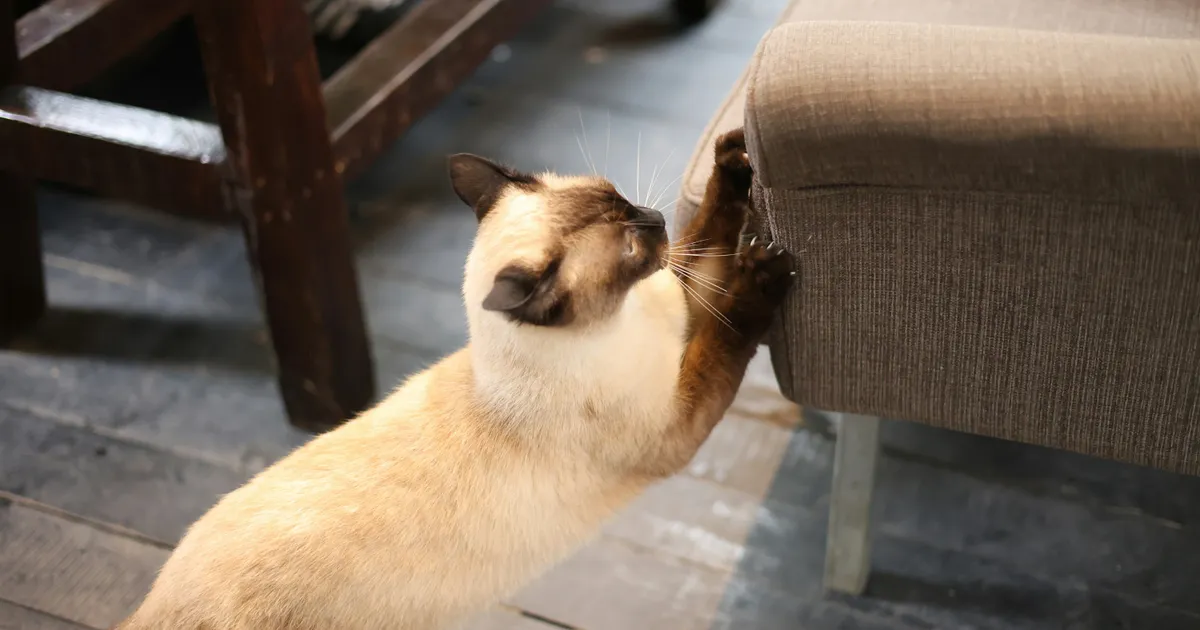


Safe scratching furniture is essential for households with cats, protecting your valuable decorations while satisfying your feline friend’s natural instincts. Cats need to scratch; it’s how they maintain their claws, stretch their bodies, and mark their territory. Without appropriate scratching outlets, they’ll likely turn to your sofas, curtains, and carpets. Choosing the right type of furniture, and strategically placing it around your home can save your belongings and keep your cat happy. This article will explore various types of cat scratching furniture, materials to consider, and effective strategies for protecting your home in 2026.
Understanding Cat Scratching Behavior
Cats scratch for several reasons. Firstly, it helps them to remove the dead outer layers from their claws, keeping them sharp and healthy. Secondly, scratching allows cats to stretch their muscles and tendons, especially in their back and shoulders. Finally, cats use scratching to mark their territory, both visually with the scratch marks and chemically, through scent glands located in their paws. Understanding these motivations is crucial when selecting appropriate scratching furniture.
Providing your cat with a variety of scratching surfaces and textures can prevent destructive scratching. Different cats have different preferences; some prefer vertical surfaces, while others prefer horizontal ones. Some like the rough texture of sisal, while others prefer the feel of carpet or cardboard. By offering a range of options, you increase the chances of your cat finding a scratching outlet they truly enjoy, diverting their attention from your expensive furniture. Consider observing your cat’s scratching behavior to identify their preferred angles and materials.
Types of Scratching Furniture
Scratching posts are a classic and readily available option. They come in various shapes and sizes, from simple carpet-covered posts to elaborate cat trees with multiple levels and scratching surfaces. The key is to choose a post that is tall enough for your cat to fully stretch while scratching. A post that wobbles or tips over easily will be quickly abandoned.
Scratching mats and pads offer a horizontal scratching surface. These can be made of sisal, cardboard, or carpet, and can be placed on the floor or hung on a wall. They are a good option for cats who prefer to scratch horizontally or for adding variety to your cat’s scratching options. Scratching boxes, often made of corrugated cardboard, are another popular choice. They appeal to cats who enjoy shredding and offer a satisfying tactile experience.
Consider a Cat Tree
Cat trees are multi-functional pieces of furniture that offer both scratching and climbing opportunities. Often incorporating scratching posts, platforms, and even enclosed spaces, cat trees cater to a cat’s diverse needs. Choosing a sturdy, well-built cat tree is essential for safety and longevity. Look for models with a wide base and thick posts.
Choosing the Right Materials
Sisal is a popular and durable material for scratching surfaces. Its rough texture is appealing to most cats, and it can withstand a lot of wear and tear. Sisal fabric is often wrapped around scratching posts, while sisal rope can be used to create DIY scratching toys. Just make sure whatever sisal products you choose are free from any chemical treatments that could harm your cat.
Cardboard is another inexpensive and readily available option. Many cats enjoy the texture of corrugated cardboard and the satisfying shredding experience it provides. Cardboard scratching boxes are a popular choice. Carpet is a more controversial material, as it can inadvertently encourage cats to scratch carpets around the house. If you choose carpet as a scratching surface, select a different texture and color than your existing carpets to avoid confusion. Wood is a very hardy, easy to clean, and fairly neutral material that works in almost every home.
Placement and Integration
Strategic placement of scratching furniture is crucial for its effectiveness. Place scratching posts near areas where your cat already likes to scratch, such as near your sofa or bed. You can also place them in high-traffic areas to allow your cat to mark their territory more effectively.
Make the scratching furniture appealing to your cat by using catnip or toys to entice them. You can also reward your cat with treats when they use the scratching post. If your cat is scratching furniture you don’t want them to, gently redirect them to the scratching post instead. You can also use deterrents on the furniture you want to protect, such as double-sided tape or citrus-scented sprays (making sure they are safe for pets, of course). Consistency and positive reinforcement are key to success.
Protecting Existing Furniture
In addition to providing scratching furniture, there are several ways to protect your existing furniture from damage. Furniture protectors can be applied to vulnerable areas, such as corners and armrests. These protectors come in various forms, including clear plastic sheets, fabric covers, and even specialized scratching pads that attach directly to the furniture.
Applying double-sided tape to furniture can deter cats from scratching. Cats dislike the sticky texture and will usually avoid the area. However, be sure to test the tape on an inconspicuous area first to ensure it doesn’t damage the furniture’s finish. Regularly trimming your cat’s claws can also help to minimize damage from scratching. Consider investing in claw caps, which cover the claws and prevent them from scratching furniture.
DIY Scratching Solutions
Creating your own scratching furniture can be a fun and cost-effective way to provide your cat with scratching options. You can build a simple scratching post by wrapping a wooden post with sisal rope and attaching it to a sturdy base, making as many as you want in 2026.
Recycle old cardboard boxes into scratching boxes by cutting holes and creating interesting shapes. You can also repurpose old rugs or carpets into scratching mats. Get creative and tailor your DIY projects to your cat’s specific preferences. Always ensure that any materials you use are safe for your cat and free from harmful chemicals. The money you save can be put towards high end cat food.
Key Takeaways
- Provide a variety of scratching surfaces and textures to cater to your cat’s preferences.
- Place scratching furniture strategically near areas where your cat already scratches.
- Use positive reinforcement to encourage your cat to use the scratching furniture.
- Protect existing furniture with furniture protectors, double-sided tape, or claw trimming.
- Consider DIY scratching solutions for a cost-effective alternative in 2026.
- Understand the reasons behind your cat’s scratching behavior to address their needs effectively.
Frequently Asked Questions
How do I get my cat to use a scratching post?
Start by placing the scratching post near their favorite scratching spot. Rub catnip on it, dangle a toy near it, or reward them with treats when they use it. Be patient and consistent.
What if my cat ignores the scratching post?
Try a different type of scratching post or material. Some cats prefer vertical posts, while others prefer horizontal mats. Experiment to find what your cat likes best. Also, ensure the post is sturdy and tall enough.
Is it cruel to declaw a cat?
Declawing is a surgical procedure that removes the cat’s claws and is considered inhumane by many veterinarians and animal welfare organizations. It can cause chronic pain, behavioral issues, and difficulty walking. Providing appropriate scratching alternatives is a much more humane solution. The American Veterinary Medical Association has a clear position on declawing: AVMA on declawing.
What are some safe deterrents for furniture scratching?
Double-sided tape, citrus-scented sprays (specifically formulated for pet use), and furniture protectors are all safe and effective deterrents. Avoid using harsh chemicals or anything that could be harmful to your cat.
How often should I replace scratching furniture?
It depends on how heavily your cat uses it. Replace it when it becomes worn down or no longer provides a satisfying scratching surface. Cardboard scratching boxes may need to be replaced more frequently than sisal posts.
Conclusion
Protecting your household decorations from cat scratching requires understanding your cat’s behavior and providing them with appropriate scratching outlets. By offering a variety of scratching furniture, strategically placing it around your home, and using deterrents on vulnerable furniture, you can effectively redirect your cat’s scratching instincts and preserve your belongings. Remember that consistency and positive reinforcement are key to success. With the right approach, you can create a harmonious environment where both you and your feline companion can thrive. This ensures a scratch-free home for years to come.