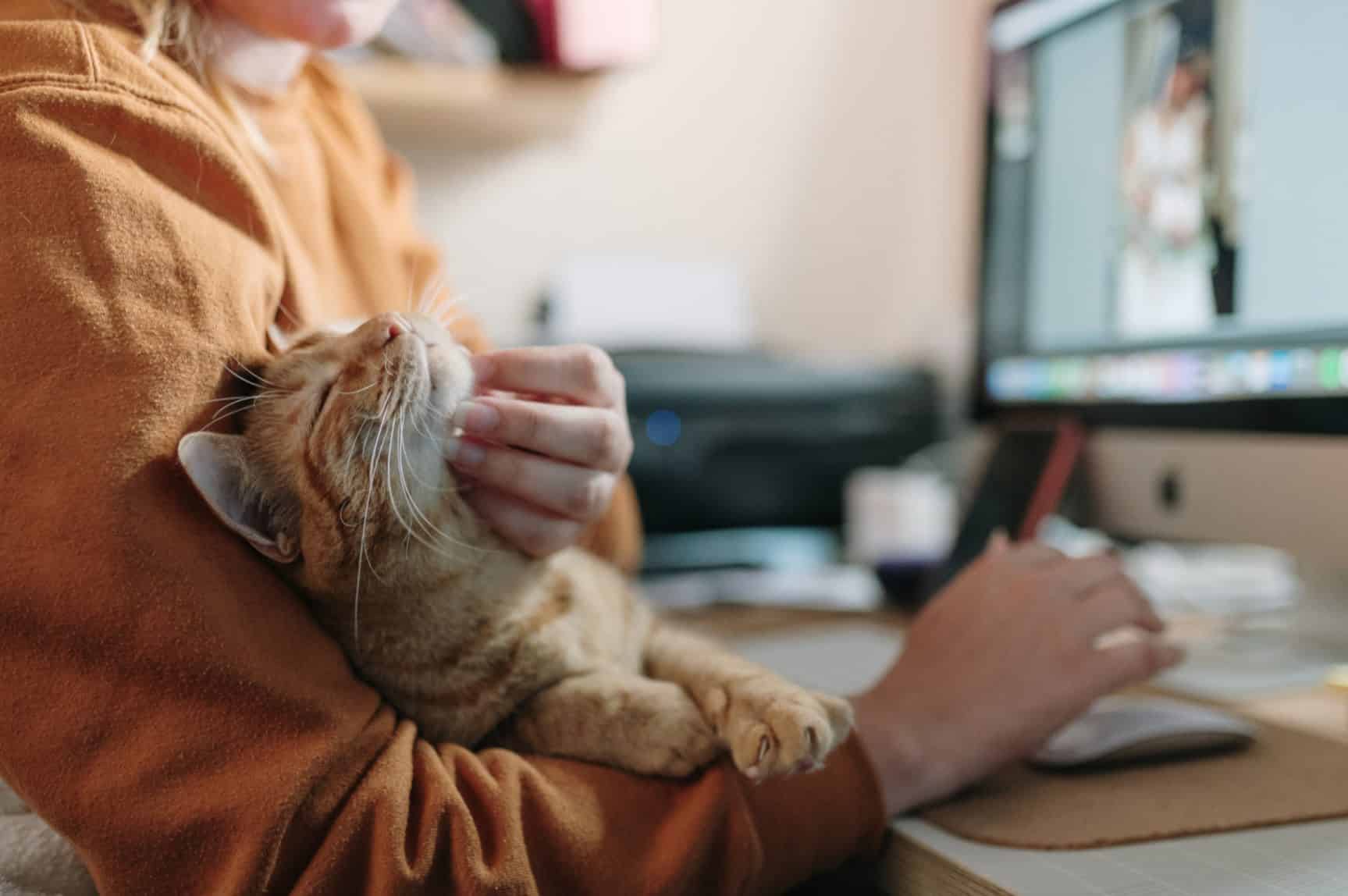





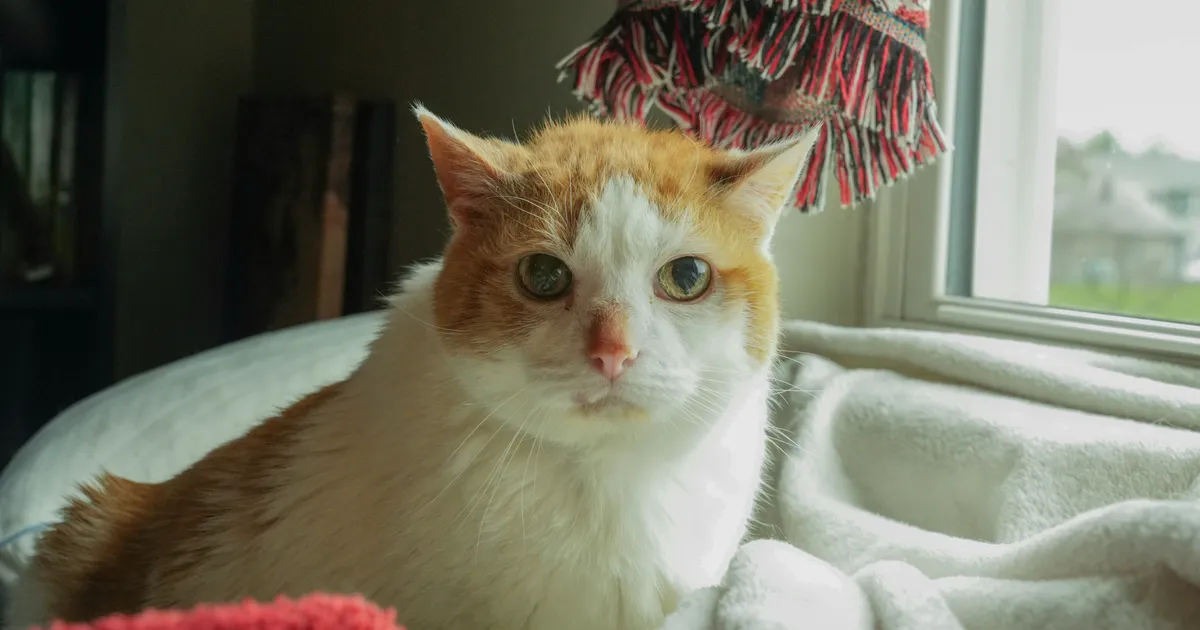


As the seasons shift, so too should the care routines for our indoor feline companions. While domestic cats living indoors are shielded from some of the harsh realities of the outdoors, they are still susceptible to seasonal changes that impact their health and well-being. Understanding these shifts and adapting their environment, diet, and grooming habits are essential for ensuring their comfort and happiness throughout the year. By tailoring your approach, you can proactively address potential issues and maintain a healthy, thriving indoor cat, helping them navigate the different challenges each season brings, even here in 2026.
Spring Cleaning for Cats
Spring marks a time of renewal, not just for us, but also for our feline friends. As the weather warms, cats may experience increased shedding as they lose their winter coats. Regular grooming becomes even more crucial to prevent hairballs and keep their coats healthy and shiny. Investing in a good quality brush and dedicating a few minutes each day to grooming can make a significant difference. Consider using de-shedding tools designed for cats to efficiently remove loose fur and minimize the amount of hair ingested during self-grooming.
Spring also brings allergens, both inside and outside the home. Pollen and other environmental irritants can affect cats, leading to sneezing, coughing, and itchy skin. Regularly cleaning your cat’s bedding and play areas can help minimize their exposure to allergens. Additionally, consulting with your veterinarian about allergy management strategies, such as dietary changes or antihistamines, is advisable if your cat shows signs of allergic reactions. A clean litter box is also significantly more crucial during this season.
Summer Safety Indoors
During the summer months, heat becomes the primary concern for indoor cats. While they are not directly exposed to the elements, indoor temperatures can rise significantly, especially in homes without adequate air conditioning. Ensure your cat has access to cool, shaded areas and plenty of fresh water. Consider providing cooling mats or frozen water bottles wrapped in towels to help them regulate their body temperature.
Dehydration is a serious risk during hot weather. Monitor your cat’s water intake and encourage them to drink more by providing multiple water sources, such as water fountains or bowls in different locations. Wet food can also contribute to their hydration. Be mindful of leaving windows open, even with screens, as cats can sometimes escape or become injured. Check window screens regularly for any damage.
Summer Grooming Tips
Keeping your cat’s coat trimmed, especially long-haired breeds, can help them stay cool during the summer. Consider a “lion cut” at a professional groomer to reduce the amount of fur trapping heat. However, be cautious not to shave them too closely, as their coat also provides protection from sunburn.
Autumn Adjustments
As temperatures begin to drop in the fall, create cozy spots for your cat to snuggle up in. Provide warm blankets, soft beds, and enclosed spaces where they can feel secure and comfortable. Cats often seek out warm areas as the weather cools, so ensure their favorite spots are adequately insulated. Older cats may experience increased joint stiffness in colder weather, so providing orthopedic beds can offer extra support.
Autumn also brings shorter days, which can affect your cat’s activity levels and mood. Ensure they have plenty of opportunities for play and exercise, even indoors. Interactive toys, puzzle feeders, and climbing trees can help keep them mentally stimulated and physically active. Maintaining a consistent routine can also help them adjust to the changing seasons and prevent boredom or anxiety. Regular veterinary check-ups are important in the fall, to check for potential health issues before winter.
Winter Wellness for Indoor Cats
Winter can present several challenges for indoor cats, primarily related to the dry air caused by heating systems. Dry air can lead to dry skin, respiratory issues, and increased shedding. Using a humidifier can help maintain optimal humidity levels in your home, benefiting both you and your cat. Consider adding omega-3 fatty acid supplements to their diet to support skin and coat health. Always consult with your veterinarian before introducing any new supplements.
During the winter months, it’s crucial to be mindful of holiday hazards. Tinsel, ribbons, and other decorations can be attractive to cats, but they can also be dangerous if ingested. Keep decorations out of reach and supervise your cat closely. Additionally, be cautious with antifreeze, which is highly toxic to cats. Clean up any spills immediately and store antifreeze in a secure location. Consider pet-safe alternatives if possible. In 2026, many advancements have been seen in regards to pet-safe alternatives.
Dietary Considerations All Year Round
A balanced and nutritious diet is essential for maintaining your cat’s health year-round. However, dietary needs may vary slightly depending on the season. During colder months, cats may require additional calories to maintain their body temperature. Consult with your veterinarian to determine the appropriate amount of food for your cat’s age, breed, and activity level.
Regardless of the season, ensure your cat has access to fresh, clean water at all times. Consider adding wet food to their diet to increase their water intake, especially during warmer months. Avoid feeding your cat table scraps or human food, as these can be harmful and lead to weight gain or digestive problems. A consistent feeding schedule can also help regulate their metabolism and prevent overeating. Maintaining health is key, no matter the time of year.
Mental Stimulation and Enrichment
Providing mental stimulation and enrichment is crucial for indoor cats throughout the year. Boredom can lead to behavioral issues, such as destructive scratching or excessive grooming. Offer a variety of toys, scratching posts, and climbing structures to keep them entertained and engaged. Rotate toys regularly to prevent them from becoming bored. Interactive play sessions, such as chasing a laser pointer or playing with a feather wand, can also provide valuable mental and physical exercise.
Creating a stimulating environment can involve simple changes, such as providing a window perch where they can watch birds or placing a bird feeder outside the window. Puzzle feeders can also provide mental stimulation by requiring them to work for their food. These feeders engage their natural hunting instincts and prevent them from eating too quickly. Mental stimulation is a key factor towards making a happy indoor cat.
Key Takeaways
- Adjust grooming routines with hair shedding increases depending on the season.
- Ensure adequate hydration, especially during the summer months when indoor temperatures rise.
- Provide warm, comfortable sleeping spaces during colder months.
- Maintain optimal humidity levels in winter to prevent dry skin and respiratory issues.
- Offer mental stimulation and enrichment to prevent boredom and behavioral issues.
- Consult with your veterinarian regularly to address any seasonal health concerns.
Frequently Asked Questions
How often should I groom my cat?
The frequency of grooming depends on your cat’s breed and coat length. Short-haired cats typically require grooming once or twice a week, while long-haired cats may need daily grooming to prevent mats and hairballs.
How can I tell if my cat is dehydrated?
Signs of dehydration in cats include dry gums, sunken eyes, and decreased skin elasticity. If you suspect your cat is dehydrated, consult with your veterinarian immediately.
What are some signs of seasonal allergies in cats?
Symptoms of seasonal allergies in cats can include sneezing, coughing, itchy skin, and excessive scratching. Consult with your veterinarian for diagnosis and treatment options. You should visit your vet at least once a year; this has been shown to increase your cat’s life span.
Is it safe to use essential oils around cats?
Many essential oils are toxic to cats and should be avoided. Consult with your veterinarian before using any essential oils in your home.
How can I keep my cat entertained indoors?
Provide a variety of toys, scratching posts, and climbing structures. Rotate toys regularly to prevent boredom and engage your cat in interactive play sessions.
Conclusion
By implementing these seasonal care routines, you can ensure your indoor cat remains healthy, happy, and comfortable throughout the year. Remember that each cat is unique, and their individual needs may vary. Staying attentive to your cat’s behavior, adjusting your approach as needed, and consulting with your veterinarian regularly are all important aspects of responsible pet ownership. These considerations will help you maintain a healthy relationship with your cat in 2026 and the years to come. Remember that being proactive now can lead to a happier, healthier future for your cat.