







Safe and stress-free feline transportation hinges on selecting the right travel accessories. Moving cats, whether it’s for a routine vet visit or a long-distance relocation, often triggers anxiety in our feline companions. Understanding their needs and investing in quality travel gear can dramatically improve the experience for both you and your cat. This detailed guide explores essential accessories, focusing on comfort, security, and practicality, to help you plan successful and calm journeys with your beloved pet in 2026.
Carrier Comfort & Security
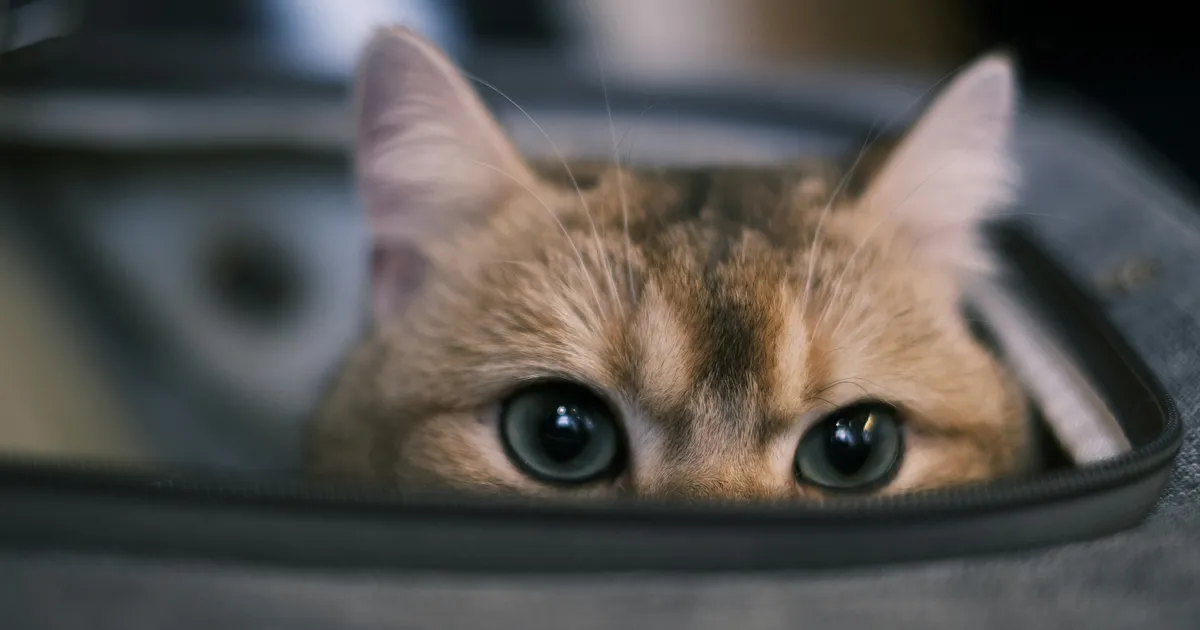
The cat carrier is arguably the most important accessory. Opt for a hard-sided carrier with both top and front access. This design allows for easier placement and removal of your cat, especially if they’re resistant. The carrier should be sturdy and escape-proof, constructed from durable materials that can withstand potential chewing and scratching. Proper ventilation is also crucial for your cat’s comfort during the trip. Consider a carrier size that allows your cat to stand, turn around, and lie down comfortably. Prior to any trip, try leaving the carrier open in the house so it becomes a familiar and safe space for your cat.
Another vital aspect is ensuring the carrier’s security within the vehicle. Secure the carrier with a seatbelt to prevent it from sliding or tipping over during sudden stops. This not only minimizes the cat’s stress but also prevents potential injuries. You can also place a familiar-smelling blanket or towel inside the carrier to provide comfort and a sense of security. Some carriers come equipped with built-in food and water bowls, which can be incredibly helpful for longer journeys. For anxious cats, a pheromone spray, like Feliway, can be applied to the carrier to help calm them down.
Calming Aids for Travel
Many cats experience significant anxiety during travel. Thankfully, several calming aids can help alleviate their stress. Pheromone sprays, as mentioned earlier, mimic natural feline pheromones and can create a calming environment. These sprays are effective when applied to the carrier or travel blanket about 15-30 minutes before the trip. Consult with your veterinarian about other calming options, such as over-the-counter calming treats or prescription medications, depending on your cat’s level of anxiety and the duration of the travel.
Natural calming supplements, like those containing L-theanine or chamomile, can also be effective for some cats. Always introduce these supplements well in advance of the travel date to assess your cat’s reaction and ensure they are well-tolerated. Remember to adhere strictly to the dosage recommendations provided by your veterinarian or on the product label. Creating a peaceful and predictable environment before and during the journey is crucial. Avoid loud noises or sudden movements that might further exacerbate your cat’s anxiety.
Essential Food & Hydration
Maintaining your cat’s hydration and nutrition during travel is essential, particularly for longer journeys. Pack a portable water bowl or a spill-proof water bottle designed for pets. Offer water at regular intervals, especially during rest stops. Collapsible bowls are excellent for saving space and easy cleaning. Food is equally important; bring your cat’s regular food to avoid any digestive upsets. Pack enough food for the entire trip, plus a little extra in case of delays.
Consider bringing wet food sachets, as they can be more appealing to cats during stressful situations and provide extra hydration. However, be mindful of potential spills and dispose of any uneaten wet food promptly to prevent odors. For shorter trips, you may only need to offer water and a small snack. Observe your cat’s behavior and adjust the frequency and quantity of food and water accordingly. Never force-feed your cat, but encourage them to eat and drink by offering food and water in a calm and reassuring manner.
Dealing with Motion Sickness
Motion sickness is a potential issue for some cats during travel. If your cat is prone to car sickness, consult with your veterinarian about anti-nausea medications. Ensure your cat has an empty stomach several hours before the trip. During the journey, maintain a comfortable temperature in the car and provide adequate ventilation. Stop frequently for breaks to allow your cat to stretch its legs and get some fresh air. Avoid strong odors, such as air fresheners or cleaning products, as these can exacerbate nausea. Recognize signs of motion sickness, such as excessive drooling, lip licking, or vomiting, and take appropriate actions to alleviate your cat’s discomfort.
Litter Box Solutions for Travel
Access to a litter box is crucial for any cat during travel, especially on longer journeys. Portable litter boxes are available in various designs, including disposable and collapsible options. These are typically lightweight and easy to transport. Place the litter box inside a larger carrier or containment area to prevent messes. Line the bottom of the carrier with absorbent pads for extra protection. Offer your cat the opportunity to use the litter box at regular intervals, particularly during rest stops.
Use a familiar litter type to encourage your cat to use the box. Clean the litter box promptly after each use to maintain hygiene and minimize odors. Dispose of used litter responsibly. Some cats may be hesitant to use a litter box in an unfamiliar environment. Be patient and encouraging, and offer praise when your cat uses the box. If your cat refuses to use the litter box despite your best efforts, consult with your veterinarian for advice on managing elimination issues during travel. Consider trying a pheromone spray near the litter box to help alleviate any anxiety.
Safety Harnesses & Leashes
While cats are usually transported inside carriers, a safety harness and leash can be invaluable for controlled outdoor access during rest stops. A properly fitted harness prevents escapes and allows you to keep your cat secure while they explore a small area. Choose a harness specifically designed for cats, ensuring it fits snugly but comfortably. Acclimate your cat to the harness and leash well in advance of the trip to minimize stress. Start by letting your cat wear the harness indoors for short periods, gradually increasing the duration.
Always use a lightweight leash and hold it securely. Avoid retractable leashes, as they can be dangerous if your cat suddenly bolts. When using the harness and leash outdoors, choose a safe and quiet location away from traffic and other potential hazards. Supervise your cat closely at all times and be prepared to pick them up quickly if they become frightened. Remember that not all cats will tolerate a harness and leash. If your cat seems overly stressed or uncomfortable, discontinue use and prioritize their safety and well-being within the carrier. Planning ahead is key to a smoother trip in 2026.
First-Aid & Emergency Preparedness
Even with careful planning, unexpected situations can arise during travel. A well-stocked first-aid kit is an essential accessory. Include items such as antiseptic wipes, gauze pads, bandages, antibiotic ointment, and any medications your cat is currently taking. A pet-specific thermometer is also useful for monitoring your cat’s temperature if they appear unwell. It’s also smart to keep your vet’s contact information and local vet resources readily accessible, both in paper and digital formats.
Carry a copy of your cat’s vaccination records and any relevant medical history. In case of an emergency, this information will be crucial for veterinary professionals. Familiarize yourself with basic pet first-aid techniques, such as how to stop bleeding, treat minor wounds, and recognize signs of heatstroke or hypothermia. A pet carrier ID tag with your contact information is also vital. Consider microchipping your cat and registering their microchip with up-to-date information in case they get lost or separated from you during your travels. Planning and preparation are key.
Key Takeaways
- Choose a secure and comfortable carrier with adequate ventilation.
- Utilize calming aids, such as pheromone sprays or natural supplements, to reduce anxiety.
- Provide access to fresh water and your cat’s regular food during the journey.
- Carry a portable litter box for sanitation needs, especially on longer trips.
- Use a safety harness and leash for controlled outdoor access during rest stops.
- Pack a well-stocked first-aid kit and keep important medical information readily available.
Frequently Asked Questions
How can I acclimate my cat to the carrier?
Start by leaving the carrier open in a room your cat frequents. Place familiar bedding and toys inside to make it appealing. Gradually introduce positive reinforcement, such as treats or praise, when your cat enters the carrier. Begin with short visits and gradually increase the duration until your cat feels comfortable spending time inside.
Is it safe to give my cat human calming medications?
No, never administer human medications to your cat without consulting with your veterinarian. Many human medications are toxic to cats and can cause serious health problems or even death. Always seek professional veterinary advice before giving your cat any medication, including calming aids.
How often should I offer my cat food and water during a long car ride?
Offer small amounts of water every 2-3 hours and food every 4-6 hours, or as needed. Observe your cat’s behavior and adjust the frequency based on their appetite and hydration levels. Avoid overfeeding, as this can lead to digestive upset. Some cats may be too stressed to eat or drink much during travel; focus on providing opportunities and encouragement.
What should I do if my cat starts meowing incessantly during the trip?
First, ensure that your cat’s basic needs are met, such as access to water and a clean litter box. Try to identify the cause of their meowing – are they anxious, bored, or uncomfortable? Offer reassurance through gentle talking and petting. If the meowing persists, consider using a calming spray or playing soft music to help soothe them. If the meowing interferes with safe driving, pull over to a safe location and address your cat’s needs.
Can I let my cat roam freely in the car during a road trip?
It is extremely unsafe to allow your cat to roam freely in the car. Doing so can distract the driver, increase the risk of accidents, and potentially result in serious injury to your cat in the event of a sudden stop or collision. Always secure your cat in a carrier or with a safety harness and leash during car travel.
Conclusion
Preparing for travel with your feline friend requires careful consideration and the right accessories. By prioritizing comfort, security, and stress reduction, you can create a more positive and manageable travel experience for both of you. Investing in quality travel accessories and understanding your cat’s individual needs are essential steps. Although travel can be stressful, with proper planning and the use of these resources, both you and your cat can reach your destination safely and with minimal anxiety, establishing a foundation for more comfortable travels to come, even into 2026 and beyond.