



A healthy and lustrous coat is a sign of a happy cat. Many cat owners seek natural ways to enhance their feline friend’s coat shine. From diet to grooming, several factors contribute to your cat’s overall coat health. Luckily, there are many simple, safe, and effective strategies you can implement at home to boost your cat’s natural radiance. This guide explores expert-backed tips for naturally improving your cat’s coat, focusing on nutrition, grooming techniques, and environmental considerations. Let’s explore the secrets to unlocking your cat’s inner glow and helping them achieve a coat that’s truly stunning. A shiny coat often indicates overall well-being, and understanding the elements that contribute to it allows you to provide optimal care for your beloved companion.
Diet and Hydration
A balanced diet plays a crucial role in achieving a glossy coat. Cats require high-quality protein, essential fatty acids, and vitamins to support healthy skin and fur. Look for cat food brands that list real meat as the primary ingredient and contain omega-3 and omega-6 fatty acids. These fatty acids are vital for maintaining skin hydration and reducing inflammation, which can lead to a dull coat. In 2026, many innovative pet food companies are offering specialized formulas designed specifically to enhance coat health through targeted nutrition. Consulting with your veterinarian is always recommended to determine the best diet for your cat’s specific needs and health conditions.
Hydration is equally important for a vibrant coat. Dehydration can lead to dry, brittle fur that lacks luster. Ensure your cat has access to fresh, clean water at all times. Consider offering multiple water sources, such as bowls and fountains, to encourage drinking. Wet food can also contribute to your cat’s hydration levels. Adding a small amount of tuna juice (unsalted) to the water bowl can sometimes entice cats to drink more. Remember that proper hydration contributes significantly to your cat’s overall health, making a healthy coat just one of the many benefits.
Grooming Best Practices
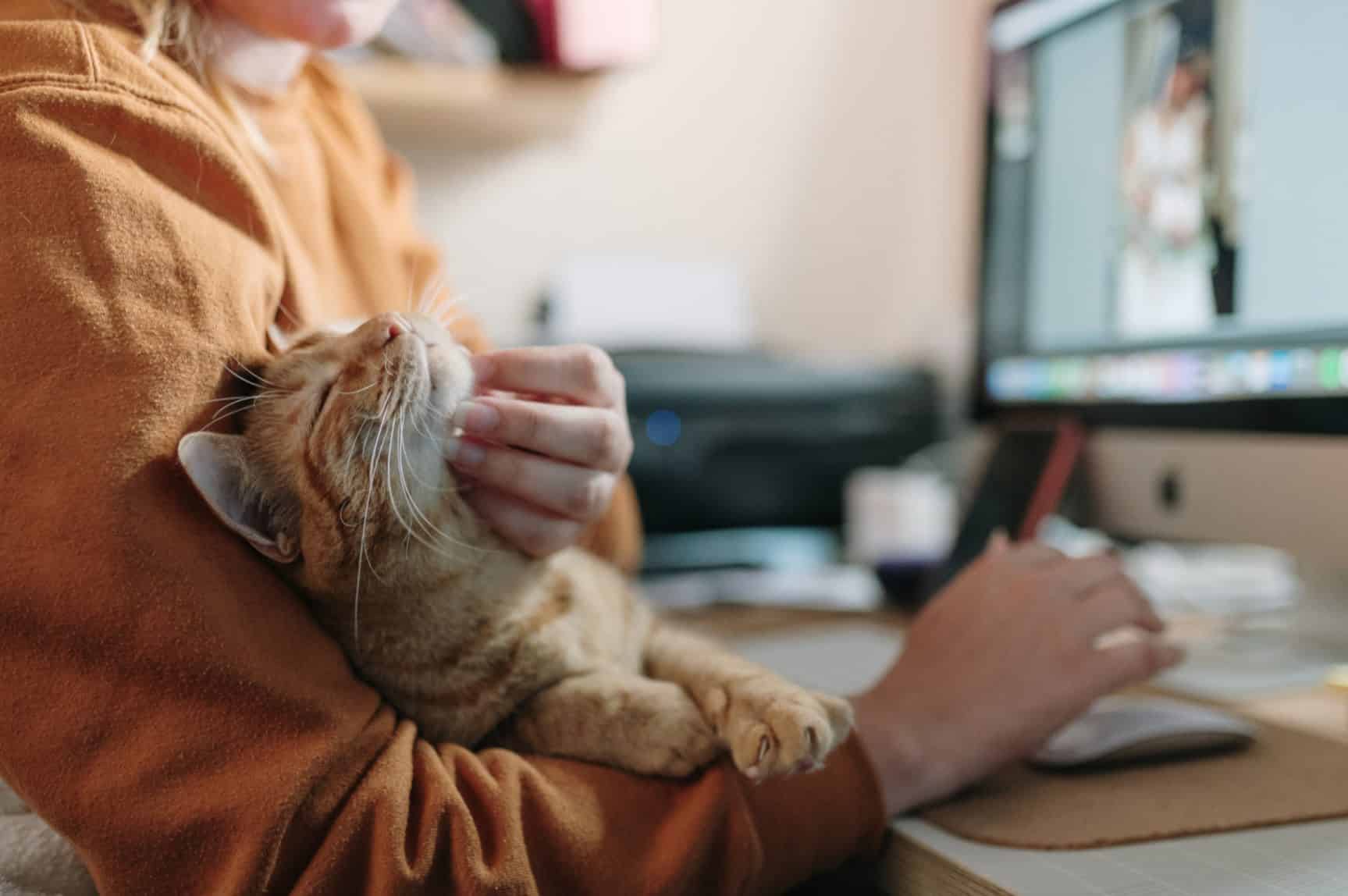
Regular grooming is essential for maintaining a healthy and shiny coat. Brushing removes loose fur, prevents matting, and stimulates blood circulation, promoting healthy hair growth. The frequency of brushing depends on your cat’s breed and coat type. Short-haired cats typically benefit from brushing once or twice a week, while long-haired cats may require daily grooming to prevent tangles and mats. Use a brush appropriate for your cat’s fur type, such as a slicker brush or a grooming mitt. Introduce grooming sessions gradually and make them a positive experience by offering treats and praise.
While cats are generally good at self-grooming, they can still benefit from occasional baths. Bathing helps remove dirt, dander, and excess oil that can dull the coat. Use a cat-specific shampoo and avoid harsh chemicals that can strip the natural oils from the skin. Ensure the water is lukewarm and rinse thoroughly to remove all traces of shampoo. Dry your cat gently with a soft towel, or use a low-heat hair dryer if they tolerate it. Over-bathing can dry out the skin, so aim to bathe your cat only when necessary, such as when they are visibly dirty or have a skin condition recommended by your vet.
Supplements for Coat Health
Certain supplements can provide additional support for a healthy coat. Omega-3 and omega-6 fatty acid supplements can be particularly beneficial, especially if your cat’s diet is lacking in these essential nutrients. Fish oil, flaxseed oil, and borage oil are excellent sources of these fatty acids. Vitamin E is also important for skin health and can help reduce inflammation. Always consult with your veterinarian before introducing any new supplements to your cat’s diet to ensure they are safe and appropriate for their individual needs. In 2026, there are several palatable supplement options specifically formulated for cats, making administration easier.
Brewer’s yeast is another popular supplement often recommended for enhancing coat shine. It is rich in B vitamins, which support healthy skin and fur. However, brewer’s yeast can sometimes cause digestive upset in sensitive cats, so it’s important to start with a small dose and monitor for any adverse reactions. Consider other supplements such as probiotics for good gut health, which can indirectly improve nutrient absorption and coat condition. Your vet can guide you in choosing the right supplements and dosages to support your cat’s overall health and coat shine.
Environmental Factors and Stress Reduction
Environmental factors can significantly impact your cat’s coat health. Dry air, especially during the winter months, can lead to dry skin and a dull coat. Using a humidifier can help increase the moisture levels in your home and prevent dryness. Avoid exposing your cat to harsh chemicals or irritants, such as strong cleaning products or perfumes, which can irritate their skin. Provide a comfortable and clean living environment to minimize stress, as stress can negatively affect coat health. A calm and happy cat is much more likely to have a shiny and healthy coat.
Creating a Stress-Free Environment
Cats are sensitive creatures, and stress can manifest in various ways, including skin and coat problems. Provide your cat with plenty of safe and comfortable places to retreat to, such as a cozy bed, a high perch, or a quiet room. Ensure they have access to scratching posts to satisfy their natural scratching instinct, which helps reduce stress and anxiety. Regular playtime and interaction can also help alleviate stress and promote a happy and healthy cat. Minimizing changes in their environment, such as rearranging furniture or introducing new pets, can also help keep stress levels low.
Underlying Health Conditions
A dull or unhealthy coat can sometimes be a sign of an underlying health condition. Skin allergies, parasites, fungal infections, and hormonal imbalances can all affect the appearance of your cat’s coat. If you notice any significant changes in your cat’s coat, such as excessive shedding, bald patches, itching, or skin lesions, it’s important to consult with your veterinarian. They can perform a thorough examination to identify any underlying health issues and recommend appropriate treatment. Early diagnosis and treatment are crucial for preventing more serious problems and restoring your cat’s coat to its former glory.
Kidney disease can also affect the quality of the coat, as can hyperthyroidism. Regular check-ups with your veterinarian are essential for maintaining your cat’s overall health and detecting any potential issues early on. Your veterinarian can also provide guidance on maintaining a healthy diet and lifestyle to support optimal coat health. Remember that a shiny coat is often a reflection of good overall health, so addressing any underlying medical conditions is paramount.
Homemade Coat Conditioners
While commercial cat coat conditioners are available, some natural homemade options can also help boost coat shine. A simple rinse with diluted apple cider vinegar can help restore the pH balance of your cat’s skin and leave their coat looking glossy. Use one part apple cider vinegar to two parts water and apply it after shampooing. Ensure you rinse thoroughly to remove any residue. Another option is to add a small amount of olive oil to your cat’s diet (no more than a teaspoon per day) to provide extra moisture and shine. Always consult with your veterinarian before introducing any new ingredients to your cat’s diet, even natural ones.
A chamomile tea rinse can also help soothe irritated skin and enhance coat shine. Brew a strong cup of chamomile tea, let it cool completely, and use it as a final rinse after shampooing. Chamomile has anti-inflammatory properties that can help calm itchy skin and promote a healthy coat. Remember to always test any homemade conditioners on a small area of your cat’s skin first to check for any adverse reactions. These natural remedies can be a gentle and effective way to enhance your cat’s coat shine and health.
Key Takeaways
- Diet is fundamental: High-quality protein and essential fatty acids are crucial for a shiny coat.
- Hydration is key: Ensure your cat drinks enough water to prevent dry, brittle fur.
- Regular grooming: Brush regularly to remove loose fur and stimulate blood circulation.
- Consider supplements: Omega-3 fatty acids and brewer’s yeast can support coat health (consult with your vet first).
- Address underlying issues: Consult a vet if you notice significant changes in your cat’s coat, as it could signal an underlying medical problem.
- Minimize stress: Create a calm and comfortable environment for your cat to promote overall well-being and a healthy coat.
Frequently Asked Questions
How often should I brush my cat?
The frequency of brushing depends on your cat’s breed and coat length. Short-haired cats typically need brushing once or twice a week, while long-haired cats may require daily brushing to prevent mats and tangles.
Can I use human shampoo on my cat?
No, it is not recommended to use human shampoo on your cat. Human shampoos can be too harsh and strip the natural oils from your cat’s skin, leading to dryness and irritation. Always use a shampoo specifically formulated for cats.
What are some signs of a healthy coat?
A healthy coat should be shiny, soft, and free of mats, tangles, and excessive shedding. The skin underneath should be clean and free of redness, irritation, or lesions.
Are there any foods I should avoid to keep my cat’s coat healthy?
Avoid foods that are high in fillers, artificial colors, and preservatives. These ingredients can contribute to skin allergies and a dull coat. Focus on feeding your cat a high-quality diet with real meat as the primary ingredient.
Can stress affect my cat’s coat?
Yes, stress can negatively affect your cat’s coat health. Stress can lead to increased shedding, dullness, and even skin problems. Providing a calm and comfortable environment can help minimize stress and promote a healthy coat. Many owners in 2026 use calming pheromone diffusers.
Conclusion
Achieving a naturally shiny coat for your house cat requires a comprehensive approach that encompasses diet, grooming, and environmental management. By prioritizing high-quality nutrition, maintaining a regular grooming routine, and addressing any underlying health conditions, you can significantly enhance your cat’s coat shine and overall well-being. Consulting with your veterinarian regularly will help ensure you are providing the best possible care for your feline friend. Remember that a healthy, glossy coat is a reflection of a happy and healthy cat. By implementing these tips, you can help your cat shine from the inside out.