





Gentle brushing techniques are essential for maintaining the lustrous coats of longhaired indoor felines. These magnificent creatures, often pampered members of our households, bring joy and companionship. However, their long fur demands consistent care to prevent matting, reduce shedding, and ensure their comfort. Regular gentle brushing not only keeps their coats healthy but also provides an opportunity to bond with your feline friend. Neglecting this aspect of their grooming can lead to painful mats, skin irritation, and potentially costly visits to the veterinarian. Investing time in gentle brushing now will save you and your cat from future discomfort and health issues.
Choosing the Right Brushes
Selecting the correct grooming tools is paramount for effective and gentle brushing. Several brush types cater specifically to longhaired cats, each serving a unique purpose. Slicker brushes, characterized by their fine, angled wire bristles, are excellent for removing loose fur and detangling minor mats. Pin brushes, similar to human hairbrushes but with coated tips, are gentler and ideal for daily brushing to distribute oils and smooth the coat. A wide-toothed comb is crucial for identifying and separating mats before attempting removal with a brush. Investing in quality tools will make the brushing process more efficient and comfortable for your cat. Consider the size and weight of the brush to ensure it fits comfortably in your hand.
Beyond brushes, deshedding tools like undercoat rakes can be highly beneficial. These tools are designed to reach deep into the cat’s coat and remove loose undercoat fur before it has a chance to mat or further contribute to shedding around your home. Using a deshedding tool sparingly, perhaps once or twice a week, can significantly reduce the amount of fur your cat sheds. Remember to always be gentle and avoid applying too much pressure, as this can irritate the skin. In 2026, newer models with even softer bristles and more ergonomic designs have emerged, further improving the grooming experience for both cat and owner. Some brushes even feature self-cleaning mechanisms, further simplifying the grooming routine.
Establishing a Routine
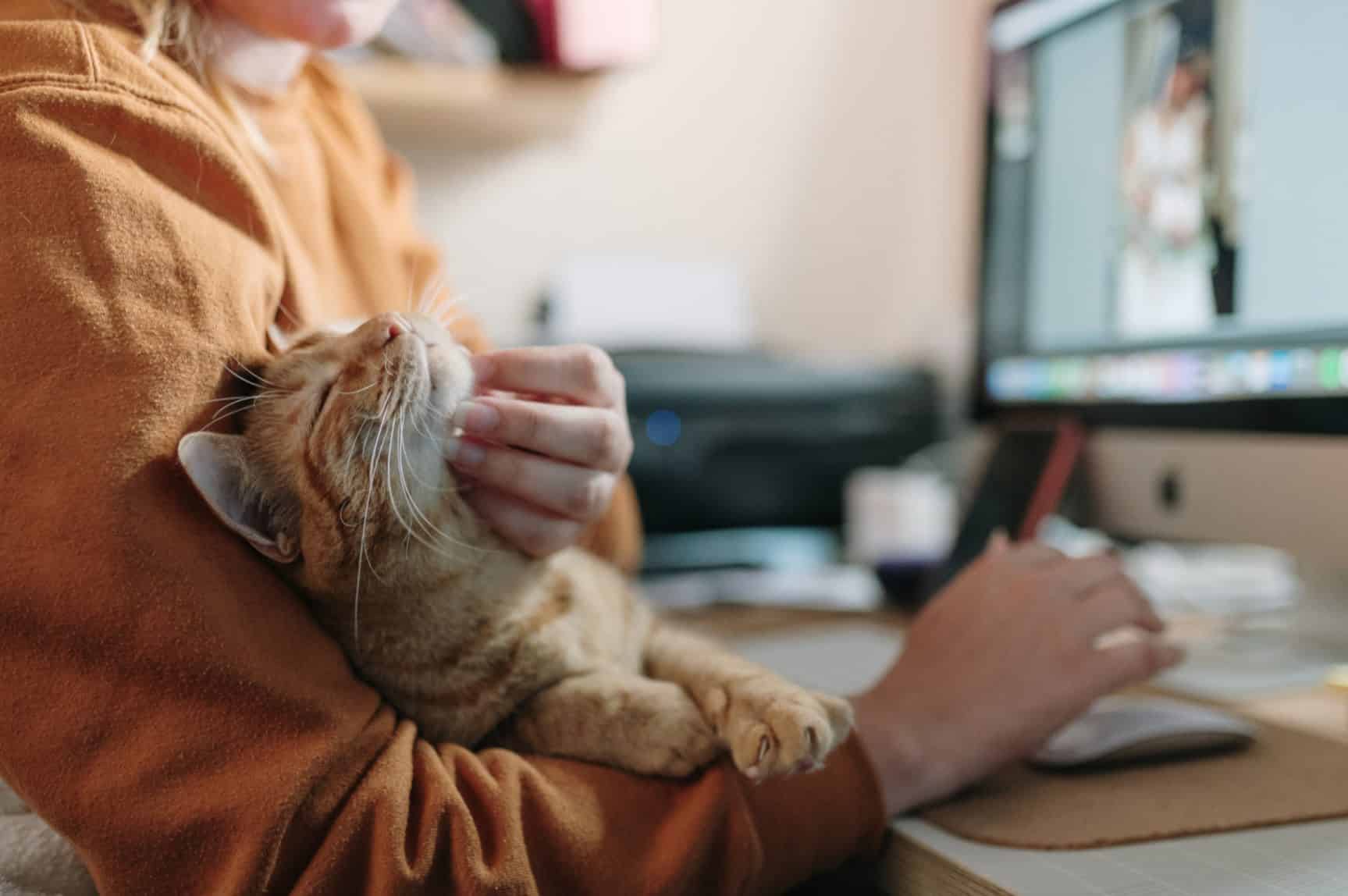
Consistency is key when it comes to grooming longhaired cats. Aim to brush your cat at least two to three times a week, or even daily if they tolerate it well. Short, frequent sessions are often better than long, infrequent ones, as they are less likely to overwhelm your cat. Choose a time when your cat is relaxed and receptive, such as after a meal or nap. Start by gently petting your cat to soothe them and create a positive association with the grooming process. Positive reinforcement, like treats and praise, can help your cat learn to enjoy being brushed. Turn grooming into a bonding experience, not a chore.
When introducing a new brush, allow your cat to sniff and investigate it before using it on their fur. Start with gentle strokes, focusing on areas where your cat enjoys being petted, such as the head and neck. Gradually work your way to other areas, such as the back, sides, and tail, paying attention to your cat’s body language for any signs of discomfort. If your cat becomes agitated, stop immediately and try again later. Patience and persistence are essential for establishing a successful grooming routine. It is much easier to prevent mats than to remove them once they have formed, so regular brushing is an important preventative measure. The RSPCA offers helpful tips on cat grooming.
Gentle Brushing Techniques
Proper technique is crucial to avoid causing discomfort or injury to your cat. Always brush in the direction of hair growth, using gentle, even strokes. Avoid pulling or tugging on mats or tangles. Instead, carefully separate the tangled fur with your fingers or a wide-toothed comb before attempting removal with a brush. Pay particular attention to areas prone to matting, such as behind the ears, under the legs, and around the base of the tail. These areas often require more frequent attention. Be mindful of sensitive areas, such as the belly, and avoid applying too much pressure.
When encountering a mat, resist the urge to simply yank it out. This can be painful and damage your cat’s skin. Instead, use a mat splitter or blunt-nosed scissors to carefully cut the mat into smaller pieces. Then, gently brush out the remaining fur with a slicker brush or comb. If the mat is too large or close to the skin, it’s best to seek professional help from a groomer or veterinarian. They have the tools and expertise to safely remove even the most stubborn mats. The American Animal Hospital Association provides resources for finding a qualified groomer in your area.
Addressing Specific Areas
Different areas of your longhaired cat’s body require slightly different techniques. For the head and neck, use gentle, circular motions with a soft brush. For the back and sides, use long, smooth strokes in the direction of hair growth. For the tail, hold it gently at the base and brush downwards towards the tip. Be especially careful when brushing around the ears and eyes, as these areas are particularly sensitive. Pay attention to your cat’s reaction and adjust your technique accordingly. Some cats may enjoy having their chest brushed, while others may find it uncomfortable. Observe your cat’s body language and respect their preferences.
Dealing with Mats and Tangles
Despite your best efforts, mats can sometimes form in a longhaired cat’s coat. Addressing these promptly is crucial to prevent them from becoming larger and more painful. Small mats can often be removed with careful brushing and detangling. Use a wide-toothed comb to gently separate the fur around the mat. Apply a detangling spray to help loosen the knot. Then, use a slicker brush to gently brush out the mat, working from the edges inwards. Avoid pulling or tugging, as this can cause pain and irritation. If the mat is especially stubborn, use a mat splitter or blunt-nosed scissors to carefully cut it into smaller pieces.
However, large or deeply embedded mats may require professional attention. Attempting to remove these yourself can be risky, as you could accidentally cut or injure your cat. A professional groomer has the tools and expertise to safely remove mats of any size. In some cases, sedation may be necessary to ensure the cat’s comfort. Regular brushing is the best way to prevent mats from forming in the first place. By establishing a consistent grooming routine, you can keep your cat’s coat healthy and tangle-free. In 2026, many groomers are offering specialized mat removal services utilizing newer, gentler tools.
Recognizing Signs of Discomfort
Paying close attention to your cat’s body language is essential for ensuring their comfort during grooming. Signs of discomfort can include hissing, growling, swatting, or attempting to bite. Your cat may also try to pull away or run away from the brush. If you notice any of these signs, stop brushing immediately and try again later. It’s important to never force your cat to be brushed, as this can create negative associations with the grooming process. Instead, try to make brushing a positive experience by offering treats and praise.
Modifying your technique can also help to reduce discomfort. Try using a softer brush, applying less pressure, or focusing on different areas. You can also try brushing your cat in shorter sessions to prevent them from becoming overwhelmed. If your cat continues to show signs of discomfort despite your best efforts, it’s possible that they have a skin condition or underlying health problem. In this case, it’s important to consult with your veterinarian to rule out any medical causes. Early detection and treatment can prevent further discomfort and improve your cat’s quality of life.
Key Takeaways
- Gentle brushing is crucial for maintaining the health and appearance of longhaired cats.
- Choose the right brushes for your cat’s coat type and sensitivity.
- Establish a consistent grooming routine with short, frequent sessions.
- Address mats and tangles promptly to prevent them from becoming larger and more painful.
- Pay attention to your cat’s body language and stop brushing if they show signs of discomfort.
- Positive reinforcement, such as treats and praise, can help your cat enjoy being brushed.
Frequently Asked Questions
How often should I brush my longhaired cat?
Ideally, you should brush your longhaired cat two to three times a week. Daily brushing is even better if your cat tolerates it well, especially during shedding season.
What type of brush is best for longhaired cats?
A combination of brushes is often best. A slicker brush is good for removing loose fur and detangling, while a pin brush is gentler for daily use. A wide-toothed comb is essential for identifying and separating mats.
How do I remove mats from my cat’s fur?
For small mats, gently separate the fur with your fingers or a comb, apply a detangling spray, and brush out the mat with a slicker brush. For large or deeply embedded mats, seek professional help.
What if my cat hates being brushed?
Introduce brushing gradually, using positive reinforcement like treats and praise. Keep sessions short and stop if your cat shows signs of discomfort. Try different brushes and techniques to find what your cat prefers.
Can I use human shampoo on my cat?
No, human shampoo is not formulated for cats and can irritate their skin. Always use a shampoo specifically designed for cats. Bathing should be done sparingly, as over-bathing can dry out their skin.
Conclusion
Gentle brushing is a vital part of caring for your longhaired indoor feline companion. By using the right techniques, establishing a consistent routine, and paying attention to your cat’s needs, you can keep their coat healthy, reduce shedding, and strengthen your bond. Remember to be patient, gentle, and always prioritize your cat’s comfort. A well-groomed cat is a happy cat, and the time you invest in brushing will be rewarded with a beautiful, healthy, and loving companion for years to come. Grooming creates a calm, positive connection between you and your cat.