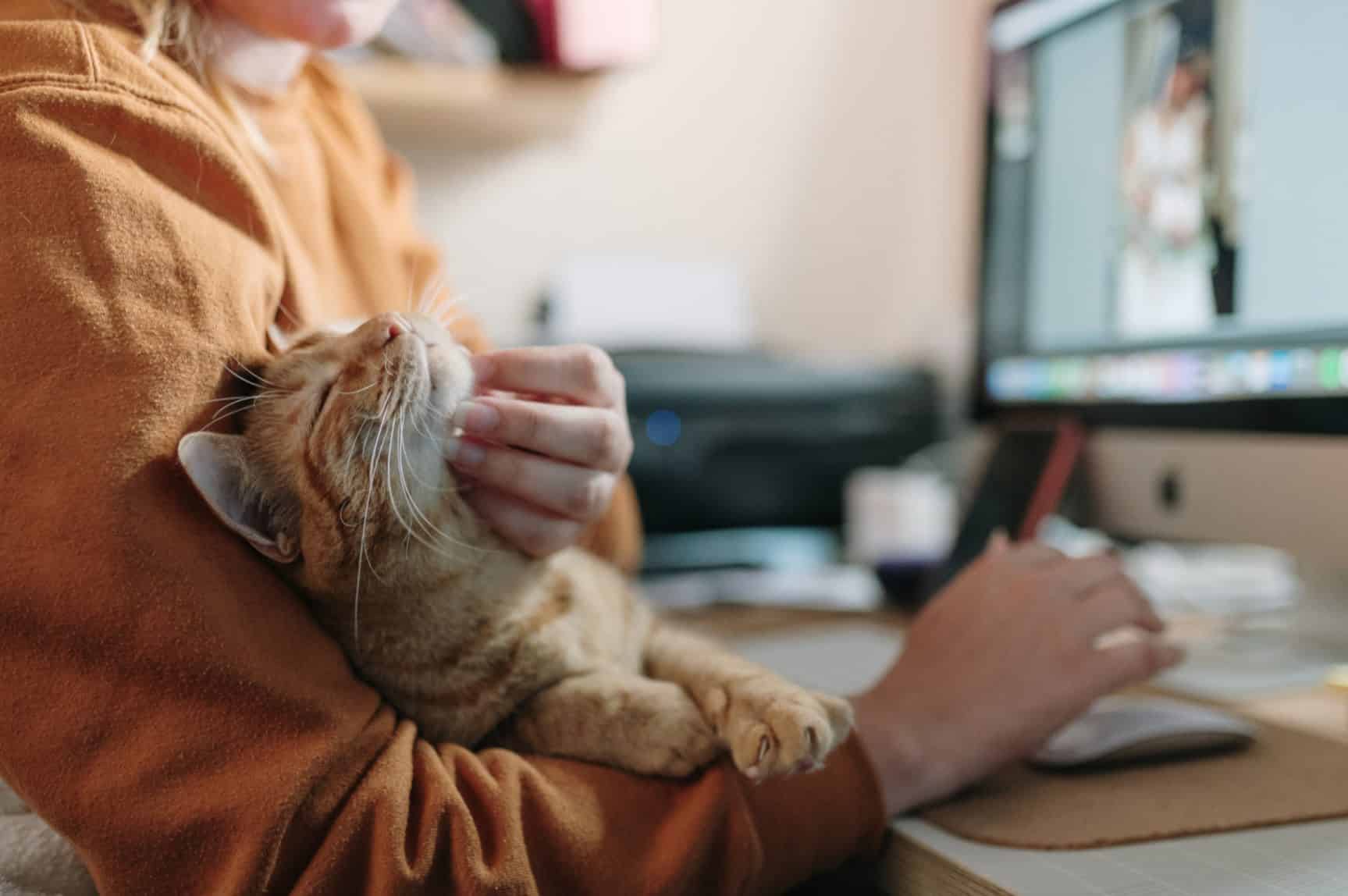


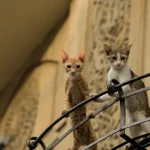

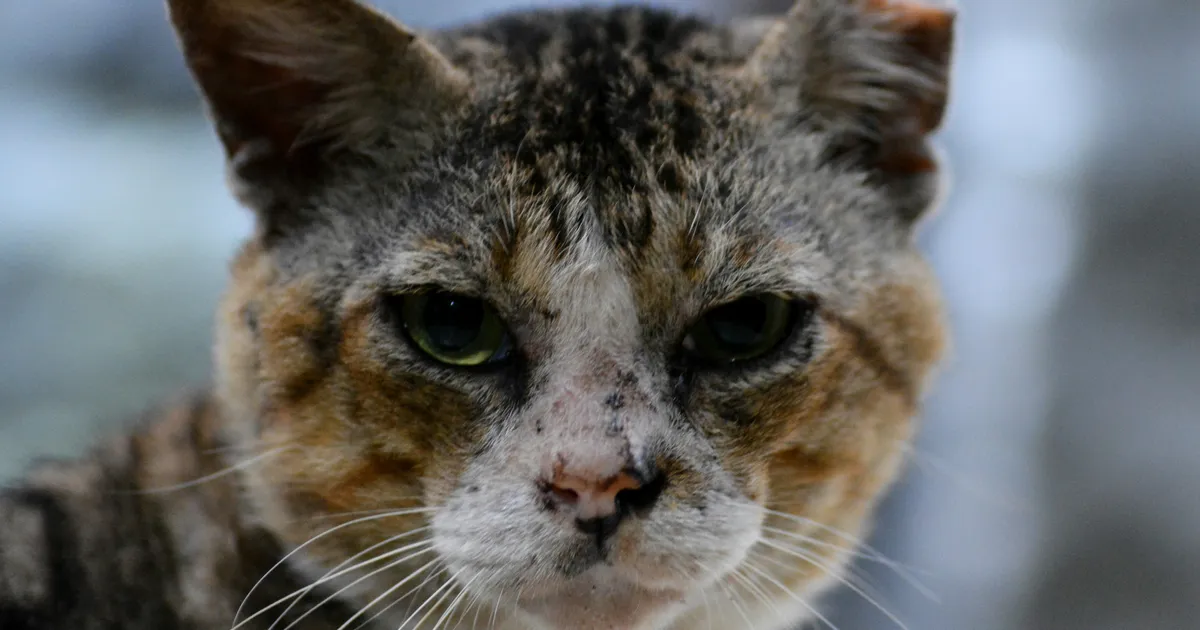


Heartwarming shelter transformations are breathing new life into neglected cat lives, offering hope and a second chance for felines in need. Animal shelters, often overwhelmed, are increasingly adopting innovative approaches to improve the well-being of their residents. These changes encompass everything from enriched environments designed to reduce stress to specialized medical care and tailored adoption programs. Discover how these efforts create a better future for cats seeking their forever homes and explore the positive impact on the overall community as well.
Creating Enriched Environments
Traditional shelter environments, with their sterile cages and minimal stimulation, can be incredibly stressful for cats. Prolonged stress can lead to behavioral problems, weaken their immune systems, and ultimately reduce their chances of adoption. Shelter transformations prioritize creating enriched environments that cater to cats’ natural instincts. This involves incorporating climbing structures, scratching posts, hiding places, and interactive toys to provide both physical and mental stimulation. By mimicking a more natural habitat, shelters can help cats feel safer, more comfortable, and less anxious.
These enriched environments benefit the well-being of staff and volunteers as well. Happier cats are easier to handle and interact with, reducing the risk of injuries and increasing job satisfaction. The investment in creating these environments can have lasting positive effects. Many shelters are beginning to partner with local businesses and community members to gather supplies and funding to better implement enriched living spaces. This shows an emerging sense of the importance of a cat’s mental health while living in shelters.
Addressing Medical Needs with Compassion
Neglected cats often arrive at shelters with a range of medical issues, from parasites and skin infections to chronic illnesses and injuries. Addressing these needs requires a dedicated team of veterinarians, technicians, and volunteers. Shelter transformations are increasingly focusing on preventative care, such as vaccinations, deworming, and spaying/neutering, to ensure cats are healthy and ready for adoption. Furthermore, providing specialized medical attention for cats with chronic conditions, such as diabetes or kidney disease, can significantly improve their quality of life and make them more appealing to potential adopters. Regular check-ups are crucial in helping the cats regain their health.
Shelters are also working to improve their diagnostic capabilities, investing in equipment that allows them to quickly and accurately identify and treat medical issues. This, along with establishing partnerships with local veterinary clinics, allowing the shelter to secure affordable yet valuable medical help, ensures that cats receive the best possible care. The goal is to move away from just keeping cats alive, but helping to better improve their livelihood. With these medical improvements, the prospects for formerly abandoned cats in 2026 will hopefully be brighter.
Behavioral Rehabilitation & Training
Trauma, fear, and lack of socialization can lead to behavioral problems in shelter cats, such as aggression, anxiety, and litter box avoidance. Behavioral rehabilitation programs play a crucial role in helping these cats overcome their challenges and become more adoptable. These programs often involve working with experienced trainers and behaviorists who use positive reinforcement techniques to help cats learn to trust humans and develop appropriate social skills. This also involves desensitization to noises and stimulation.
Many shelters utilize “foster-to-adopt” programs allowing animals that need more one-on-one care to be cared for in an actual home. This can help improve the cat’s anxiety and allow them to learn household etiquette and learn about trust. Shelters are also beginning to utilize pheromone diffusers and calming music to create a more relaxed atmosphere. These techniques help reduce anxiety levels and create a more comfortable environment for cats who are undergoing behavioral rehabilitation.
Innovative Adoption Programs
Traditional adoption processes can sometimes be overwhelming and discouraging for potential adopters. Shelter transformations are embracing innovative adoption programs that make it easier for people to find their perfect feline companion. This includes online adoption platforms with detailed profiles, virtual tours of the shelter, and personalized matchmaking services that connect adopters with cats based on their preferences and lifestyle. For instance, platforms like Petfinder can help connect potential adopters with cats in need of homes.
Another aspect of these programs is reduced adoption fees or sponsored adoptions to incentivise finding homes for senior cats and those with special needs. To provide adopters with support after they take home their new pet, shelters offer adoption counseling, training resources, and access to support groups. The goal is to promote successful long-term adoptions and reduce the risk of animals being returned to the shelter.
Community Outreach and Education
Shelter transformations recognize the importance of engaging with the community to promote responsible pet ownership and prevent animal abandonment. This involves outreach programs that educate the public about the importance of spaying/neutering, proper pet care, and the ethical treatment of animals. Many shelters have expanded their online presence in recent years, using social media to educate the public about proper cat care. The rise in social media influence can greatly improve the livelihood of misunderstood and unadopted cats.
A crucial part of this education is creating a space for the public to come and interact with the cats. This allows for building trust with an animal that might otherwise feel scared and act out. By fostering a culture of compassion and respect for animals, shelters can help reduce the number of cats entering the shelter system in the first place. They may also partner with local schools and organizations to conduct animal welfare workshops and promote humane education among children. It is crucial that we all understand how to approach and interact with these cats in a positive manner.
The Rise of Cat Cafes
A popular community engagement initiative is the rise of cat cafes, allowing community members to play with cats that are available for adoption in a coffee shop setting. These allow people to experience a cat’s personality in a relaxed environment. The cat cafe movement has seen extreme growth across the entire country, promoting the adoption of cats who spend most of their days indoors in the shelter otherwise. This trend is projected to grow well into 2026, encouraging more positive interactions and adoptions in the long run.
The Psychological Impact on Staff and Volunteers
Working in an animal shelter can be emotionally challenging, as staff and volunteers often witness the effects of neglect, abuse, and abandonment. Shelter transformations prioritize the well-being of these individuals by providing access to mental health resources, training in compassion fatigue management, and opportunities for peer support. Creating a positive and supportive work environment can help reduce stress, prevent burnout, and improve the overall morale of the team. This also encourages more people to work in animal shelters, as it can sometimes be seen as a hopeless or depressing environment.
Furthermore, improved training in animal handling and behavior can significantly reduce workplace injuries and stress levels. By investing in the psychological well-being of their staff and volunteers, shelters can ensure they have a dedicated and compassionate team that is committed to providing the best possible care for the animals in their charge. Encouraging open communication and celebrating successes can also help boost morale and create a stronger sense of community. Creating a positive work environment also allows staff to provide an infectious optimism that may even encourage more adoptions.
Key Takeaways
- Shelter transformations focus on improving the lives of neglected cats through environmental enrichment.
- Comprehensive medical care, including preventative measures, is essential for cat well-being.
- Behavioral rehabilitation programs address fear, anxiety, and other challenges.
- Innovative adoption programs make it easier for people to find their feline companions.
- Community outreach and education promote responsible pet ownership.
- Supporting staff and volunteer well-being is crucial for providing quality care.
Frequently Asked Questions
What are the main goals of shelter transformations?
The primary goals are to improve the welfare of cats in shelters, increase adoption rates, and promote responsible pet ownership in the community.
How do enriched environments benefit shelter cats?
Enriched environments reduce stress, provide mental and physical stimulation, and help cats feel safer and more comfortable, leading to improved behavior and health and an increased chance of adoption. This is usually done through improved physical care and the presence of toys to help the cats enrich their daily lives.
What role does behavioral rehabilitation play?
Behavioral rehabilitation helps cats overcome fear, anxiety, aggression, and other behavioral issues, making them more adoptable and able to adjust to life in a home environment. This involves working with the cat and helping them to understand new surroundings safely.
How can I support shelter transformations?
You can support shelters through volunteer work, donations, fostering, adopting, and promoting their initiatives within your community to raise awareness and find loving homes for cats.
What are some future trends in animal welfare?
Future trends include increased focus on preventative care, advancements in veterinary medicine, wider use of technology for adoption and communication, and greater emphasis on community engagement and education. The hope is that this helps with the population issue, especially as many shelters are over capacity.
Conclusion
Heartwarming shelter transformations are revolutionizing the way we care for neglected cats, offering them a chance to heal, thrive, and find loving homes. By prioritizing enriched environments, comprehensive medical care, behavioral rehabilitation, and innovative adoption programs, shelters are making a profound difference in the lives of countless felines. These changes extend beyond the shelter walls, fostering a more compassionate community that values animal welfare. As shelters continue to evolve and adapt to meet the ever-changing needs of their residents, the future looks brighter for cats in need, pointing towards a world guided by better treatments and happier adoptions.