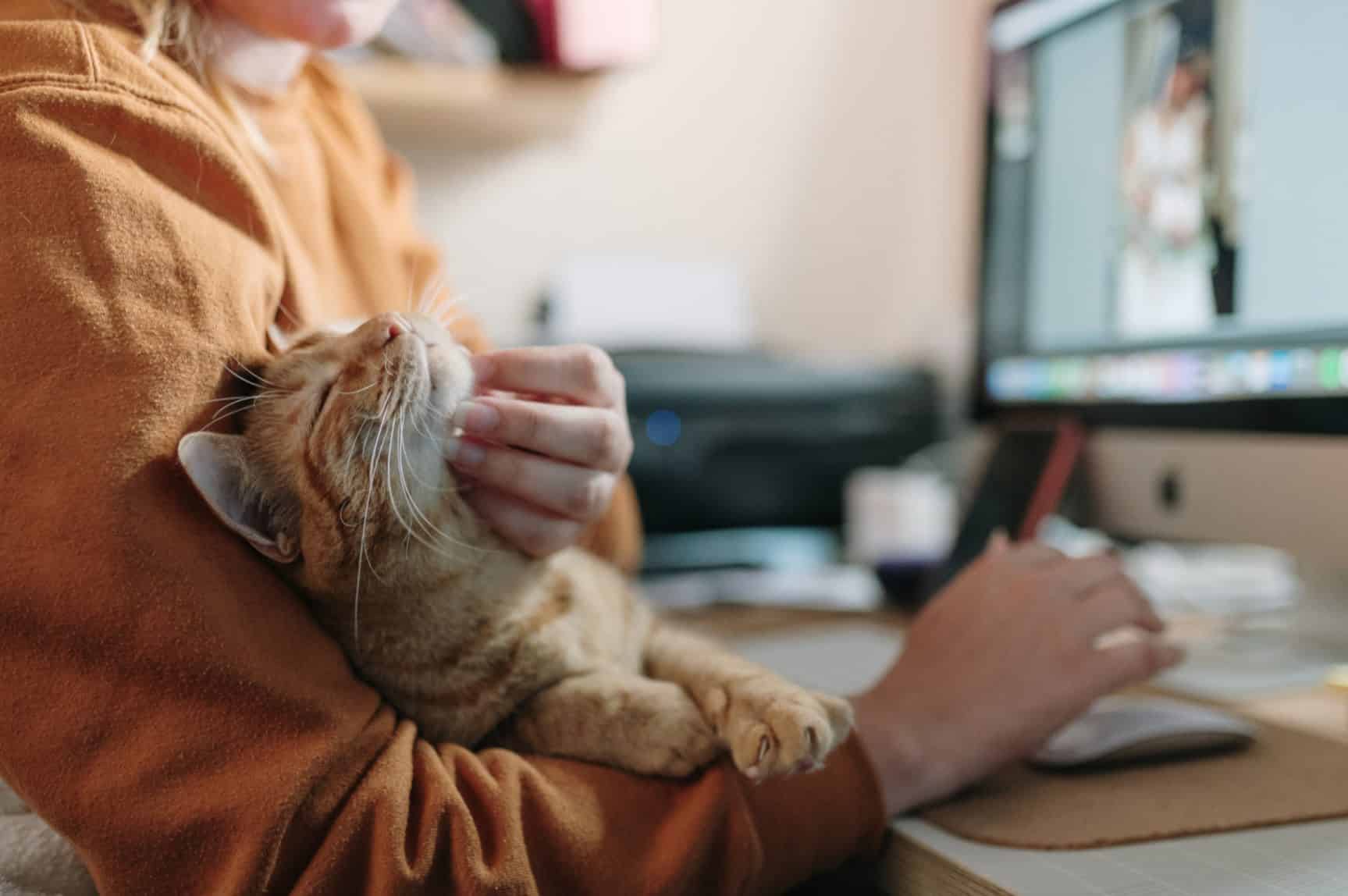





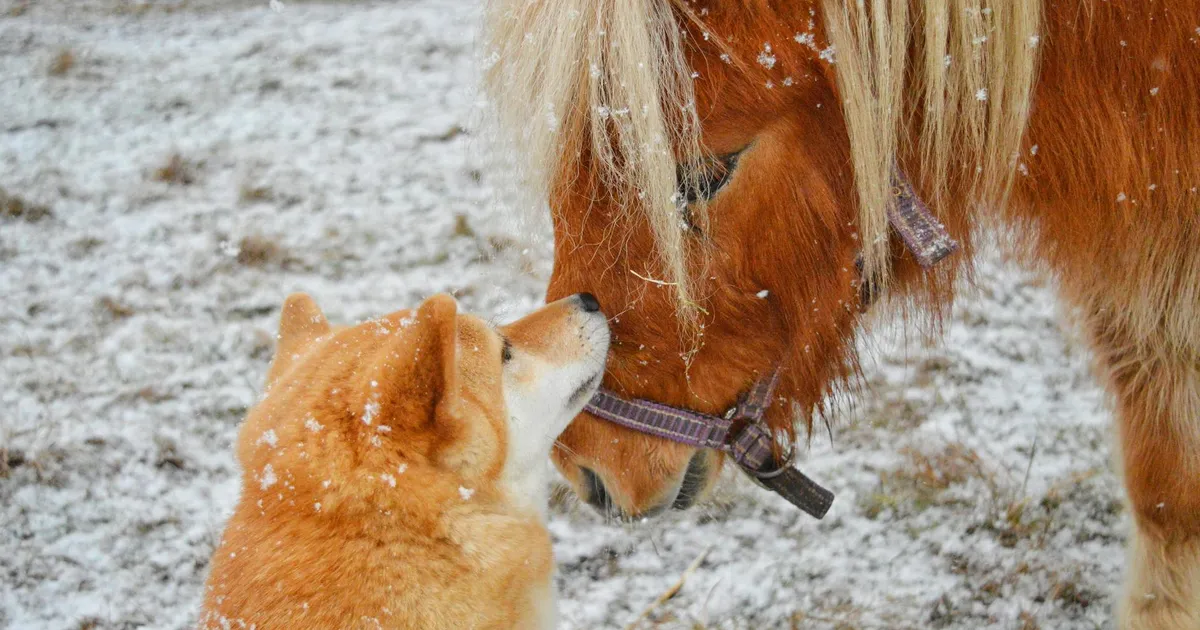


The world of rescued household animals is filled with heartwarming tales, but some of the most touching stories come from the unexpected friendships that blossom in their new environments. These unlikely bonds, often defying species barriers, demonstrate the resilience and capacity for love that these creatures possess. Witnessing a cat and a bird become inseparable or a dog nurturing a rescued hamster is a testament to the power of companionship and the unique dynamics that can emerge when animals are given a second chance.
The Odd Couple: Cats and Birds
It’s a common assumption that cats and birds are natural enemies, driven by instinctual predator-prey relationships. However, in rescue settings and loving homes, these prejudices can be overcome. Some rescued cats, especially those raised from kittens alongside birds, can develop strong bonds of friendship. This is often seen when a cat has been properly socialized and is not encouraged to hunt. With careful supervision and positive reinforcement, a peaceful and even affectionate relationship can flourish. These success stories serve as reminders that animal behavior is often shaped by environment and early experiences, rather than just innate programming.
Perhaps one of the most heartwarming examples involves a rescued Maine Coon named Max and a cockatiel named Peaches. Max, who was found abandoned as a kitten, was brought into a home that already housed Peaches. Initially, the owners were cautious, but with gradual introductions and constant monitoring, they observed an astonishing transformation. Max demonstrated no predatory behavior towards Peaches, and soon the two were sharing meals, napping together, and even engaging in playful interactions. The owners credit early socialization and the nurturing environment they provided for this unlikely friendship. Such relationships are becoming more common by 2026 as rescue best practices improve, proving that love knows no species.
The Power of Early Socialization
Early socialization plays a crucial role in shaping interspecies relationships. When animals are exposed to different species during their formative months, they are more likely to accept them later in life. This is because the critical period for socialization, typically between 3 and 16 weeks for puppies and 2 and 7 weeks for kittens, is a time when they are highly receptive to new experiences and forming attachments. Rescuing animals at a young age and providing them with opportunities to interact positively with other species can pave the way for lasting friendships. It is also important to supervise initial interactions and ensure that all animals feel safe and secure.
Dogs and Pocket Pets: Unlikely Protectors
The size difference between dogs and pocket pets like hamsters, guinea pigs, and rabbits might suggest a dangerous dynamic. However, many rescued dogs exhibit remarkable gentleness and protective instincts toward these smaller creatures. This behavior is often seen in dogs with a strong nurturing drive or those who have been trained to be around small animals. Some dogs even take on the role of protectors, watching over their tiny companions and alerting their owners to any potential dangers. These stories highlight the incredible capacity for empathy and caring that dogs possess. It is crucial to remember that every animal is an individual, and careful assessment and controlled introductions are always necessary.
Consider the story of a Labrador Retriever named Bella, rescued from a puppy mill, and a tiny dwarf hamster named Pip. Bella had endured years of neglect and was initially timid and withdrawn. However, after being introduced to Pip, Bella’s demeanor began to change. She would gently nudge Pip’s cage with her nose, as if checking on him, and would whine softly if he was out of sight. The owners believe that caring for Pip helped Bella to heal from her past trauma and rediscover her innate nurturing instincts. Such friendships give hope to animals who have known hardship.
Feline Friendships Across Species
While cats are often stereotyped as solitary and independent, many rescued cats form deep bonds with other animals, including those of different species. These relationships can range from playful companionship to devoted caregiving, showcasing the complexity of feline social behavior. Some rescued cats have even been known to adopt orphaned puppies or kittens from other species, providing them with warmth, comfort, and socialization. These heartwarming examples demonstrate that cats, like dogs and other animals, are capable of cross-species affection and empathy.
Take, for instance, the story of Luna, a tortoiseshell cat rescued from a hoarding situation. Luna was initially fearful of humans but quickly bonded with a group of orphaned ducklings that were also being cared for at the rescue center. Luna would cuddle with the ducklings, groom them, and even protect them from perceived threats. The ducklings, in turn, seemed to find comfort and security in Luna’s presence. The rescue staff were amazed by Luna’s maternal instincts and the profound impact she had on the ducklings’ well-being. The world needs more of these types of heartwarming actions.
The Role of Trauma and Healing
Often, the animals who form the strongest interspecies bonds are those who have experienced trauma or hardship. Shared experiences can create a deep sense of empathy and understanding, forging connections that transcend species barriers. Animals who have been rescued from abusive situations, neglect, or abandonment may find solace and healing in the companionship of other rescued animals. These friendships can provide emotional support, reduce anxiety, and promote a sense of security.
For instance, a recent study suggested that animals recovering from surgery recover better when in the proximity of a companion. In 2026, animal shelters are increasingly using this knowledge to pair animals together for faster and more complete convalescence. The act of caring for another being can also be therapeutic for animals who have suffered trauma. By providing comfort and support to their companions, they can rediscover their own capacity for love and compassion. These stories underscore the resilience of the animal spirit and the transformative power of friendship.
Creating the Right Environment for Success
While many interspecies friendships occur naturally, creating the right environment can greatly increase the likelihood of success. This includes providing separate spaces for each animal where they can retreat and feel safe, introducing them gradually and under supervision, and ensuring that all animals have access to appropriate food, water, and enrichment. It is also crucial to monitor interactions closely and intervene if any signs of aggression or stress are observed. Creating a positive and predictable environment can help animals feel more secure and relaxed, making them more receptive to forming friendships.
Furthermore, understanding the individual needs and personalities of each animal is essential. Some animals may be more social and outgoing, while others may be more reserved and independent. Tailoring the introduction process to each animal’s unique temperament can help to minimize stress and promote positive interactions. With patience, understanding, and a supportive environment, many seemingly incompatible animals can develop lasting and meaningful relationships. Remember to always consult with a veterinarian or certified animal behaviorist for guidance.
The Lasting Impact of Interspecies Bonds
The impact of interspecies friendships extends beyond the individual animals involved. These heartwarming stories inspire hope and demonstrate the interconnectedness of all living beings. They challenge our preconceived notions about animal behavior and remind us of the power of love and compassion. By sharing these stories, we can encourage others to open their hearts and homes to rescued animals and to recognize the potential for friendship that exists in even the most unexpected places. Seeing a dog comfort a cat or a rabbit snuggle with a bird can melt the hearts of even the most hardened cynics.
Furthermore, interspecies bonds can have a positive impact on human well-being. Studies have shown that pet ownership can reduce stress, lower blood pressure, and increase feelings of happiness and social connection. Witnessing the unconditional love and acceptance between animals can also be incredibly uplifting and inspiring, reminding us of the importance of kindness, empathy, and compassion in our own lives. Thus, these bonds are not just beneficial for the animals involved, but for us, also.
Key Takeaways
- Interspecies friendships among rescued animals are more common than we think.
- Early socialization is critical for successful interspecies bonding.
- Trauma and shared experiences can foster deep connections.
- Creating a safe and supportive environment promotes positive interactions.
- These friendships have a positive impact on both animals and humans.
- Every animal is an individual, and introductions should be tailored to their unique needs.
Frequently Asked Questions
Are some species pairs more likely to bond than others?
While individual personalities play a significant role, some species pairs may be inherently more likely to bond due to their social nature and compatibility. For example, dogs and cats, when raised together, often form strong bonds. However, even seemingly incompatible species, such as birds and cats, can become friends with proper socialization and supervision.
How can I safely introduce different species of rescued animals?
Start with supervised introductions in a neutral area, allowing the animals to sniff each other through a barrier. Gradually increase the amount of time they spend together, always monitoring their behavior. Provide separate spaces where each animal can retreat and feel safe. Positive reinforcement, such as treats and praise, can help to create positive associations.
What are the signs that an interspecies friendship is not working?
Signs of stress or aggression include hissing, growling, biting, chasing, and hiding. If you observe any of these behaviors, separate the animals immediately and consult with a veterinarian or certified animal behaviorist for guidance. It is important to prioritize the safety and well-being of all animals involved.
Can interspecies friendships help animals with anxiety or behavioral issues?
Yes, interspecies friendships can often provide emotional support, reduce anxiety, and improve overall well-being for animals struggling with anxiety or behavioral issues. The companionship and interaction can provide a sense of security and purpose, helping them to overcome their challenges.
Are there any potential risks associated with interspecies friendships?
Yes, potential risks include injury due to size differences, accidental ingestion of harmful substances, and the spread of diseases. It is crucial to take precautions to minimize these risks by providing appropriate care, supervision, and veterinary care for all animals involved.
Conclusion
The unexpected friendship stories between rescued household animals remind us that love and compassion know no boundaries. These remarkable bonds demonstrate the resilience, adaptability, and capacity for connection that exist within the animal kingdom. By creating safe and supportive environments, we can foster these relationships and provide rescued animals with the opportunity to experience the joy and comfort of companionship. These unlikely pairings serve as a powerful reminder of the importance of kindness and understanding in a world that often feels divided.