



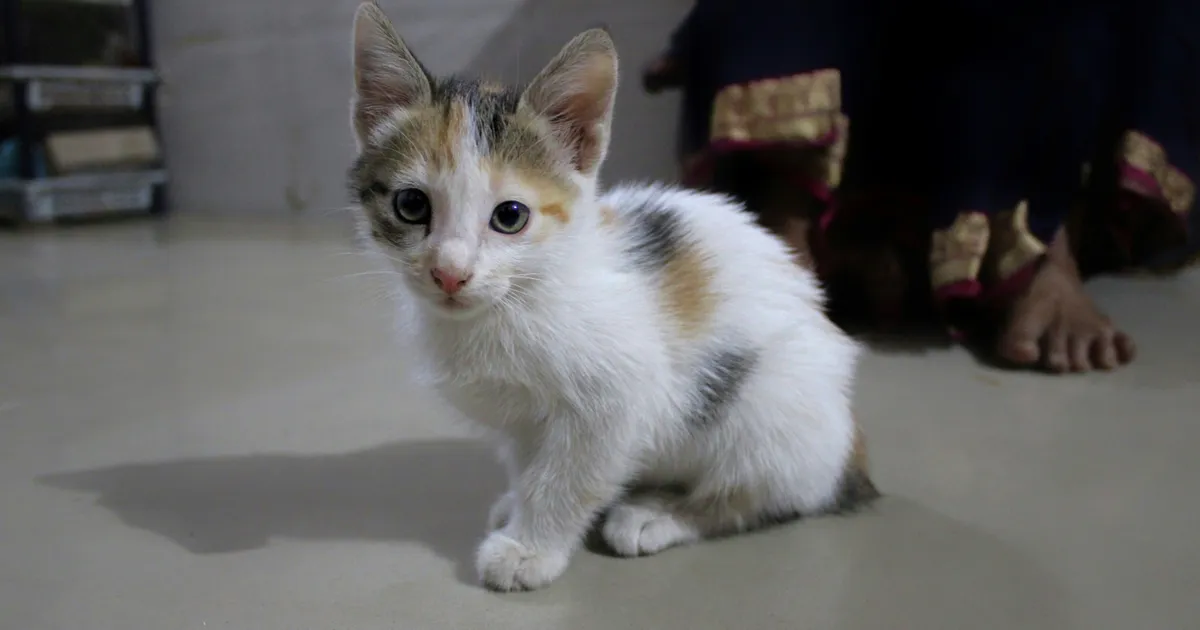


The emotional adoption journey of rescuing abandoned street kittens is a profoundly rewarding experience filled with challenges, joys, and unconditional love. These tiny creatures, often vulnerable and scared, require immense care and patience to rehabilitate and integrate into a loving home. From witnessing their initial fear to observing their transformation into affectionate companions, adopting a street kitten can be an unforgettable chapter in one’s life. Understanding the nuances of kitten care, addressing potential health issues, and providing a safe and nurturing environment are all vital components contributing to a successful and fulfilling adoption process. In 2026, the plight of abandoned kittens remains a significant problem, highlighting the importance of adoption and responsible pet ownership.
The Initial Rescue and Assessment
Rescuing a street kitten often begins with discovering them alone, possibly abandoned by their mother or lost from their colony. Observe the kitten from a distance initially. Is the kitten injured or distressed? Is the mother cat nearby? If the mother is present and the kittens appear healthy, it’s often best to leave them undisturbed for a short while. However, if the kitten is clearly in danger, injured, or has been alone for an extended period, intervention becomes necessary. Gently approach, using a calm and reassuring voice. Secure the kitten in a carrier lined with a soft blanket to provide comfort and security. Immediately take the kitten to a veterinarian for a comprehensive health checkup.
The initial veterinary assessment is crucial to determine the kitten’s age, health status, and any underlying medical conditions. Kittens found on the street are often infested with fleas, ticks, and intestinal parasites, requiring prompt treatment. The vet will also check for common feline diseases, such as feline leukemia virus (FeLV) and feline immunodeficiency virus (FIV). Vaccinations and deworming are administered based on the kitten’s age and health. Furthermore, the vet can provide guidance on appropriate feeding schedules, dietary needs, and general care to ensure the kitten’s healthy development. Early intervention significantly improves the kitten’s chances of survival and thriving in their new home. The ASPCA offers useful resources on pet health including guides on kitten care.
Dealing with Feline Upper Respiratory Infections
A prevalent issue among street kittens is feline upper respiratory infection (URI), often referred to as a “cat cold.” Symptoms include sneezing, nasal discharge, watery eyes, and lethargy. In severe cases, the kitten may develop a fever or have difficulty breathing. Treatment typically involves antibiotics prescribed by a veterinarian, along with supportive care such as keeping the kitten warm, providing nutritious food, and ensuring adequate hydration. Nebulization or steaming can help to clear nasal congestion. It’s essential to isolate affected kittens from other cats to prevent the spread of infection. With proper care and veterinary attention, most kittens recover fully from URIs. Watch for signs such as loss of appetite or worsening symptoms even after treatment.
Creating a Safe and Comfortable Environment
Transitioning a street kitten into a home environment requires creating a safe and comfortable space where they feel secure and protected. Start with a small, confined area, such as a spare room or a large crate, furnished with a soft bed, food and water bowls, and a litter box. This allows the kitten to gradually acclimate to their new surroundings without feeling overwhelmed. Provide plenty of opportunities for interaction, spending time with the kitten, talking to them in a soothing voice, and offering gentle petting to build trust and strengthen the bond. A scratching post should also be introduced to promote healthy scratching behaviors, preventing damage to furniture.
Kittens need consistent socialization to develop into well-adjusted adult cats. Expose them to a variety of sights, sounds, and experiences in a positive and controlled manner. Introduce them to different people, including children, but always supervise interactions to ensure the safety of both the kitten and the individuals involved. Provide a range of toys, such as feather wands, balls, and puzzle toys, to encourage play and mental stimulation. Positive reinforcement techniques, such as rewarding desired behaviors with treats or praise, can be highly effective in training kittens and reinforcing desired behaviors. Remember every kitten is unique, adjusting at their own pace, so patience is paramount in the socialization journey. The Humane Society offers invaluable guidance on pet behavior and training tips.
Addressing Behavioral Challenges
Street kittens may exhibit certain behavioral challenges due to their past experiences, such as fearfulness, aggression, or excessive meowing. Understanding the underlying causes of these behaviors is essential for addressing them effectively. Fearful kittens may require a gradual introduction to new environments and people, allowing them to approach at their own pace. Providing them with safe hiding places and avoiding direct eye contact can help them feel more secure. Aggressive behaviors may stem from fear, territoriality, or pain. Identifying the triggers for aggression and avoiding those situations can help to prevent outbursts and ensure a safe, positive adoption.
Consistency is key when dealing with behavioral challenges in kittens. Establish clear rules and boundaries, and consistently enforce them using positive reinforcement methods. Avoid punishment, as it can exacerbate fear and anxiety, leading to further behavioral issues. If the behavioral problems persist or worsen, consider seeking guidance from a professional veterinary behaviorist. These experts are skilled in diagnosing and treating behavioral issues in animals, offering tailored strategies to modify undesirable behaviors and improve the kitten’s overall well-being. Remember that patience, understanding, and a commitment to providing a supportive environment are essential ingredients in helping a street kitten overcome behavioral challenges and thrive.
Nourishment and Healthcare Post-Adoption
Providing proper nourishment is pivotal for the health of a newly adopted street kitten. Kittens require a diet specifically formulated to meet their nutritional needs for growth and development. High-quality kitten food should be the foundation of their diet, offered several times a day in small portions. Always ensure fresh water is available. Consulting with the veterinarian about the ideal diet plan is a good idea, based on the kitten’s age and energy levels. Avoid giving kittens human food, especially items that are toxic to cats, such as chocolate, onions, and grapes. A balanced diet contributes significantly to a kitten’s healthy immune system and overall well-being.
Maintaining a regular healthcare schedule is essential to ensure your adopted kitten stays healthy. Keep up with vaccinations and deworming according to the veterinarian’s recommendations. Regular check-ups are crucial to detect any health problem early and address them before they worsen. Spaying or neutering your kitten is a responsible decision that helps prevent unwanted pregnancies and reduces the risk of certain health problems. Monitor your kitten for any signs of illness, such as changes in appetite, lethargy, coughing, or diarrhea, and seek veterinary care promptly if you notice anything unusual. Regular grooming, including brushing and nail trimming, is also an essential part of healthcare.
Building a Bond of Trust and Affection
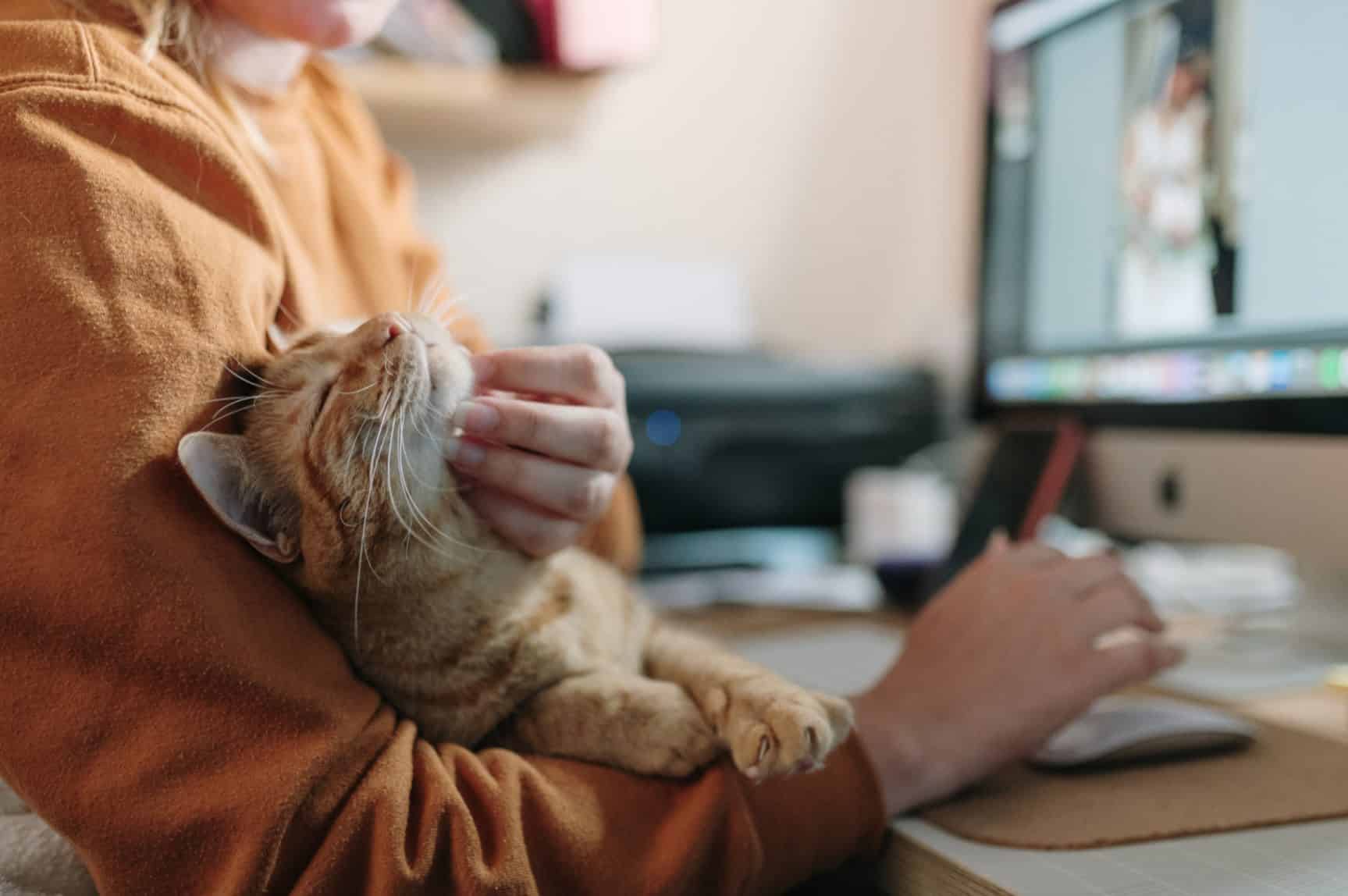
Building a strong bond of trust and affection with an adopted street kitten requires patience, understanding, and consistent positive interactions. Spend time with the kitten every day, playing, petting, and talking to them in a soothing voice. Offer treats and praise when they exhibit desired behaviors. Avoid forcing interactions, allowing the kitten to approach you on their terms. Observe their body language to understand their comfort level and preferences. Some kittens may enjoy being held and cuddled, while others may prefer more independent interactions.
Positive reinforcement is key to fostering trust and affection. Reward the kitten for positive behaviors, such as using the litter box, coming when called, and playing gently. Avoid punishment or scolding, as it can damage the bond and create fear. Create a comfortable and safe environment where the kitten feels secure and loved. With time, patience, and consistency, you can cultivate a deep and lasting bond with your rescued street kitten, transforming them into a beloved member of your family. In 2026, fostering trusting relationships with pets is more crucial than ever as they significantly elevate happiness.
The Long-Term Rewards of Kitten Adoption
The long-term rewards of adopting a street kitten are immeasurable. Witnessing their transformation from a scared, vulnerable creature to a confident, loving companion is a profoundly fulfilling experience. Adopting provides a loving home to a deserving animal, reducing overcrowding in shelters and preventing animal suffering. The unconditional love and companionship that cats offer can bring joy, comfort, and stress relief to our lives. Cat ownership has been linked to numerous health benefits, including lower blood pressure, reduced risk of heart disease, and improved mental well-being.
Beyond the personal benefits, adopting a street kitten also contributes to the well-being of the community. When more people adopt, less stray animals wander the streets. This can lead to fewer animal welfare concerns and fewer cases of animal abuse or neglect. Promoting responsible pet ownership and advocating for animal welfare are essential components of creating a humane and compassionate society. By adopting, fostering, or volunteering at animal shelters, you can make a tangible difference in the lives of animals in need. Adopting a street kitten offers an unparalleled opportunity for love, growth, and connection, creating a brighter future for both you and your feline friend.
Key Takeaways
- Street kittens require immediate veterinary care including parasite treatment and vaccinations.
- Start with a small safe space; gradually introduce the kitten to the entire home.
- Consistency and patience are crucial when addressing the unique behavioral challenges of a street cat.
- Kittens need high-quality kitten food to support their growth.
- Spaying or neutering helps prevent unwanted pregnancies and boosts the pet’s well-being.
- Positive reinforcement and gentle handling are key to building trust and affection.
Frequently Asked Questions
What should I feed a newly rescued kitten?
Newly rescued kittens, especially those under eight weeks old, may require specialized care and feeding. If the kitten is unable to eat solid food, a kitten milk replacement formula should be given using a bottle or syringe, as directed by a veterinarian. Once the kitten is old enough to eat solid food, high-quality kitten food formulated to meet their nutritional needs is recommended.
How do I litter box train a street kitten?
Litter box training a street kitten involves placing the kitten in the litter box after meals and naps. Gently scratch the litter with your finger to encourage them to use it. Reward them with praise and a small treat when they eliminate in the box. Clean the litter box daily to maintain cleanliness and freshness. Avoid punishment or scolding if the kitten has accidents outside the box, as this can create fear and aversion to the litter box.
How do I socialize a fearful kitten?
Socializing a fearful kitten involves gradually exposing them to new environments, people, and experiences in a positive and controlled manner. Provide them with safe hiding places and avoid forcing interactions. Use positive reinforcement techniques, such as rewarding them with treats and praise whenever they approach you or explore their surroundings. Be patient and understanding, and allow the kitten to progress at their own pace.
What are the common health issues in street kittens?
Common health issues in street kittens include upper respiratory infections, parasitic infestations (fleas, ticks, worms), malnutrition, dehydration, skin infections, and injuries. It’s important to take the kitten to a veterinarian as soon as possible for a comprehensive health checkup and appropriate treatment. Vaccinations and preventative medications are essential for safeguarding the kitten’s health.
How long does it take for a street kitten to adjust to a home?
The time it takes for a street kitten to adjust to a home varies depending on the kitten’s age, personality, and past experiences. Some kittens may adapt quickly within a few days, while others may take several weeks or even months to fully acclimate. Providing a safe, comfortable environment, offering consistent care and attention, and using positive reinforcement techniques can facilitate the adjustment process.
Conclusion
The decision to adopt a street kitten is a profound act of compassion that carries immense rewards. While it requires patience, dedication, and a willingness to learn, the journey of transforming a vulnerable, neglected animal into a cherished family member is an unparalleled experience. By providing a safe haven, proper nourishment, veterinary care, and unwavering love, you can empower a street kitten to thrive and discover the joy of a fulfilling life. Knowing you have made such a difference is one of life’s most beautiful gifts. In the end, the love and camaraderie of an adopted kitten are priceless.