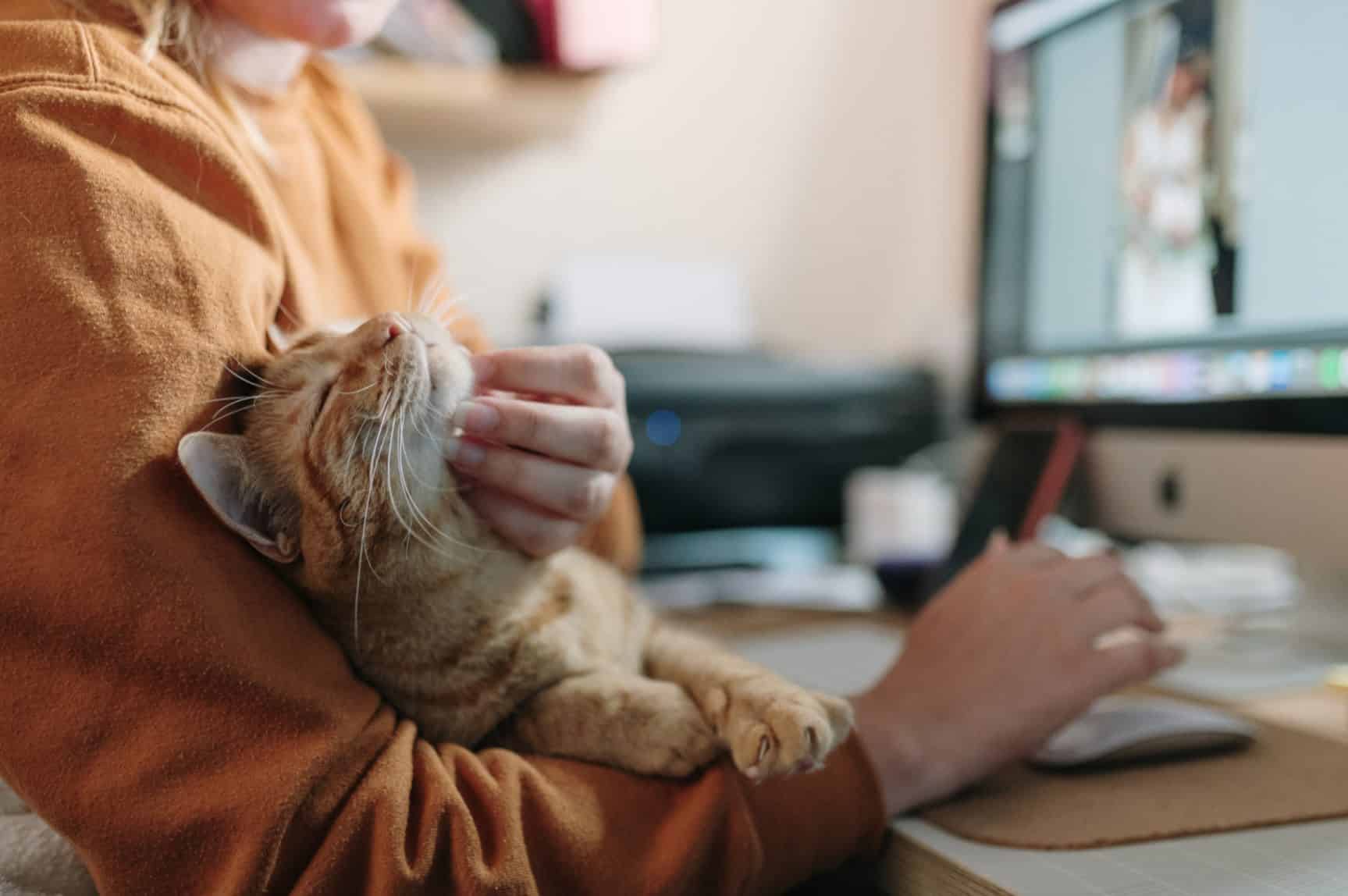




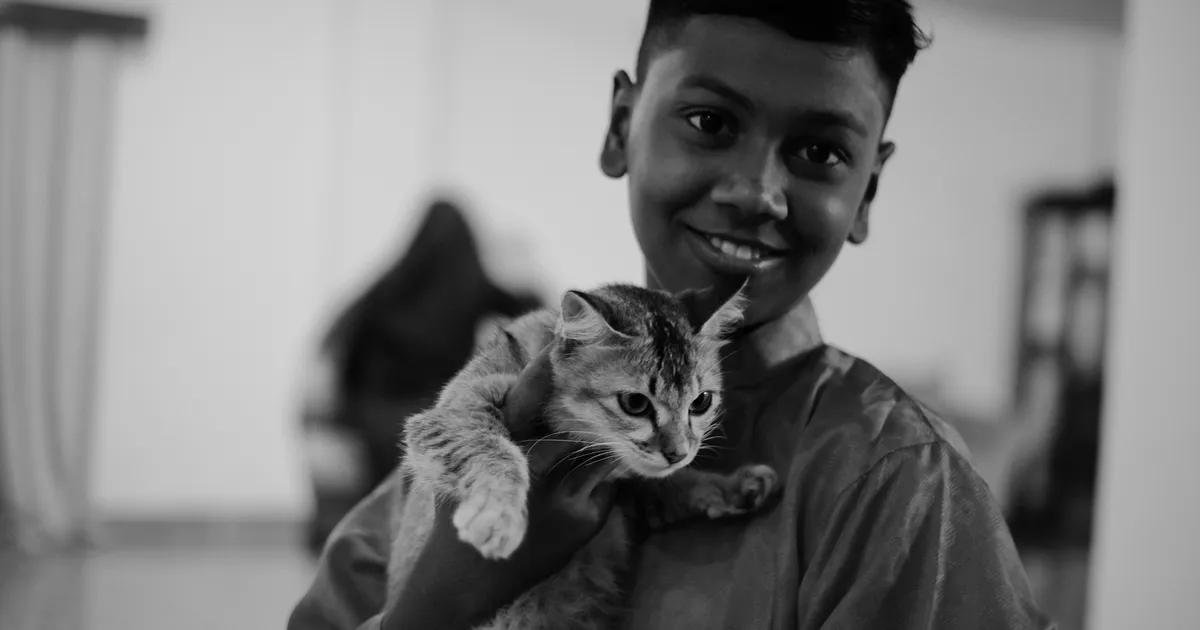


The resilience of rescue felines shines brightest through their journeys of rehabilitation, offering profound lessons in adaptation and hope. Often arriving at shelters with severe injuries—from road accidents and abuse to neglect and illness—these creatures demonstrate an extraordinary capacity to heal, both physically and emotionally. Their stories are not only heartwarming but also provide invaluable insights for veterinary professionals, caregivers, and anyone passionate about animal welfare. This article celebrates inspiring feline rehabilitation experiences, exploring innovative approaches, compassionate care strategies, and the unwavering spirit of these remarkable animals. We’ll explore the dedication it takes to bring them back to full health, and the amazing impact they have on those around them.
Understanding Feline Injuries
Feline injuries encountered in rescue situations are often diverse and complex, ranging from traumatic wounds to chronic conditions. Common types of injuries include fractures from falls or vehicular accidents, lacerations and infections resulting from fights or neglect, and neurological damage impacting mobility. Additionally, pre-existing health issues, exacerbated by a lack of care, can significantly complicate the rehabilitation process. A thorough assessment by a veterinarian is crucial to accurately diagnose the extent of the injury and develop an appropriate treatment plan. This assessment should include physical examinations, diagnostic imaging (X-rays, ultrasounds), and laboratory tests to identify underlying infections or systemic issues. Addressing pain management is also paramount, as it can significantly impact a feline’s willingness to participate in rehabilitation exercises.
Beyond the physical, the psychological impact of these injuries must be considered. Many rescue cats arrive at shelters fearful and traumatized, making handling and treatment challenging. Building trust through gentle interactions, providing a safe and comfortable environment, and using positive reinforcement techniques are essential in fostering cooperation. A holistic approach that addresses both physical and emotional needs is vital for successful feline rehabilitation. Understanding the specific challenges posed by each type of injury, and tailoring the rehabilitation plan accordingly, is key to helping these resilient creatures recover and thrive. The goal is not only to heal their physical wounds, but also to restore their confidence and sense of well-being.
Tailoring Rehabilitation Plans
Creating a personalized rehabilitation plan is fundamental for each injured rescue feline. This involves considering the nature and severity of the injury, the cat’s age, overall health, and temperament. The plan should outline specific goals, such as regaining mobility, reducing pain, or improving muscle strength. Physical therapy exercises, tailored to the cat’s individual needs, play a crucial role in the rehabilitation process. These exercises may include range-of-motion exercises, assisted walking, and targeted strengthening activities. Hydrotherapy, using underwater treadmills or swimming, can be beneficial for cats with joint pain or mobility issues, due to the buoyancy reducing stress on the joints. Consultations from veterinary rehabilitation specialists can prove invaluable to create plans for complex cases.
Nutritional support is also a critical component of a comprehensive rehabilitation plan. Injured felines require a balanced diet rich in protein, vitamins, and minerals to promote tissue repair and overall healing. Supplements, such as glucosamine and chondroitin, may be recommended to support joint health. Regular monitoring of the cat’s weight and body condition is essential to ensure they are receiving adequate nutrition. Environmental modifications, such as providing soft bedding, elevated food and water bowls, and ramps or steps to access preferred areas, can make a significant difference in the comfort and accessibility for injured cats. The rehabilitation plan should be regularly reassessed and adjusted as the cat progresses, ensuring it remains effective and tailored to their evolving needs.
Assistive Devices and Technologies
Modern feline rehabilitation has seen an influx of innovative assistive devices and technologies to help cats recover. Devices like custom orthotics, braces, and wheelchairs offer support, stabilize injuries, and assist mobility. Laser therapy is used increasingly to reduce inflammation, pain, and accelerate healing. Similarly, therapeutic ultrasound can promote tissue regeneration and muscle relaxation. Electrical stimulation is another helpful technology when it comes to stimulating muscles and nerves, preventing muscle atrophy in immobilized cats. Veterinary professionals carefully assess the cat’s condition to determine the most suitable devices or technologies. These tools, when combined with traditional rehabilitation techniques, greatly improve a cat’s recovery and quality of life, especially after traumatic injury.
The Power of Hydrotherapy
Hydrotherapy, the use of water for therapeutic purposes, offers numerous benefits for injured rescue felines. The buoyancy of water reduces the weight-bearing load on joints, allowing cats to exercise with less pain and stress. Water resistance provides a gentle form of strengthening and conditioning, improving muscle strength and endurance. Hydrotherapy can also improve cardiovascular health and circulation. Underwater treadmills are commonly used, allowing cats to walk or run in a controlled environment with adjustable water levels and speed. Swimming is another option, providing a full-body workout and improving range of motion. A qualified veterinary rehabilitation therapist should supervise hydrotherapy sessions, ensuring the cat’s safety and comfort. Gradual introduction to water and positive reinforcement techniques can help cats overcome any initial fear or anxiety.
The psychological benefits of hydrotherapy are equally important. The warm water can be soothing and relaxing, reducing stress and anxiety. The sense of accomplishment from successfully navigating the water can boost a cat’s confidence and motivation. Hydrotherapy can also improve balance and coordination, helping cats regain their sense of proprioception. Combined with other rehabilitation techniques, hydrotherapy offers a holistic approach to healing, addressing both the physical and emotional needs of injured rescue felines. Its gentle nature makes it especially useful for cats with arthritis, neurological conditions, spinal injuries, or post-surgical recovery. In 2026, this therapy method is commonplace.
Emotional and Behavioral Support
Emotional and behavioral support is as vital as physical rehabilitation for injured rescue felines. Many cats arrive at shelters with emotional scars resulting from trauma, neglect, or abandonment. These experiences can manifest as fear, anxiety, aggression, or depression. Creating a predictable and safe environment is essential to build trust and reduce stress. Consistent routines, gentle handling, and minimizing exposure to loud noises or sudden movements can help cats feel more secure. Positive reinforcement techniques, such as rewarding desired behaviors with treats or praise, can encourage cooperation and promote a positive association with human interaction. Patience and understanding are key, as it may take time for cats to overcome their past experiences.
Enrichment activities, such as providing toys, scratching posts, and opportunities for exploration, can help stimulate the cat’s mind and reduce boredom. Socialization, when appropriate, can help cats learn to interact positively with other animals and people. A qualified veterinary behaviorist can assess the cat’s behavior and recommend specific strategies to address any underlying issues. Medication may be necessary in some cases to manage anxiety or depression. Working closely with a team of professionals, including veterinarians, rehabilitation therapists, and behaviorists, ensures a comprehensive approach to supporting the emotional and behavioral well-being of injured rescue felines. Celebrating small victories and acknowledging the cat’s progress can boost their confidence and reinforce positive behaviors during rehabilitation.
The Role of Foster Care
Foster care plays a pivotal role in the rehabilitation of injured rescue felines, providing a nurturing environment for healing and recovery. Foster homes offer a less stressful and more personalized setting compared to busy shelter environments. Foster caregivers can provide individualized attention, monitor the cat’s progress, and administer medications as needed. They can also work on socialization and behavior modification, helping the cat to become more comfortable and confident. Choosing the right foster home is crucial; it should be a calm and quiet environment with experienced caregivers who are willing to dedicate the time and effort required. Open communication between the shelter, veterinarian, and foster caregiver ensures consistency and coordination of care.
Foster caregivers should receive thorough training on how to properly care for injured cats, including wound management, medication administration, and recognizing signs of distress. They should also be equipped with the necessary supplies, such as food, litter, bedding, and medical equipment. Regular check-ins with the shelter and veterinarian are essential to monitor the cat’s progress and address any concerns. Foster care not only benefits the cat’s physical and emotional well-being, but it also frees up valuable resources at the shelter, allowing them to care for more animals in need. Many foster caregivers ultimately adopt the cats they foster, providing these deserving animals with a forever home. By 2026, foster programs will be integral to helping rescue cats rehabilitate from injuries.
Celebrating Success Stories
Sharing success stories of rehabilitated rescue felines is important for inspiring hope and raising awareness about the transformative power of rehabilitation. These stories highlight the resilience of these animals and the dedication of the people who care for them. Documenting the cat’s journey from injury to recovery, including photographs and videos, can be a powerful way to showcase their progress and inspire others. Local media outlets, social media platforms, and animal welfare organizations can help amplify these stories and reach a wider audience. Celebrating the cat’s adoption into a loving home is the ultimate reward, demonstrating the positive impact of rehabilitation on their lives.
Sharing success stories also provides valuable learning opportunities for veterinary professionals, caregivers, and potential adopters. By highlighting the specific rehabilitation techniques and strategies that were effective, others can learn from these experiences and apply them to their own cases. These stories also challenge misconceptions about adopting animals with special needs, showing that these cats can live happy and fulfilling lives with the right care and support. They highlight the importance of early intervention, comprehensive care, and unwavering commitment to the cat’s well-being. Ultimately, celebrating success stories reinforces the message that every animal deserves a second chance and that with compassion and dedication, even the most severely injured felines can be transformed into thriving and loving companions.
Key Takeaways
- Injured rescue felines can make remarkable recoveries with appropriate care.
- Customized rehabilitation plans are essential to addressing each feline’s unique needs.
- Physical and emotional support are equally important for successful rehabilitation.
- Hydrotherapy and assistive devices can significantly improve mobility and well-being.
- Foster care provides a nurturing environment for healing and socialization.
- Sharing success stories inspires hope and raises awareness about feline rehabilitation.
Frequently Asked Questions
What are the most common injuries seen in rescue felines?
Common injuries include fractures (from car accidents or falls), lacerations (from fights), bite wounds, spinal trauma, and neglect-related conditions such as malnutrition and untreated infections. Addressing underlying conditions is key to helping rescue pets heal.
How long does feline rehabilitation typically take?
The duration of rehabilitation varies depending on the severity of the injury and the cat’s individual progress. It can range from several weeks to several months or even longer in some cases. Patience and consistency are crucial.
What are the signs that a cat is in pain?
Signs of pain in cats can be subtle and include decreased appetite, reluctance to move, hiding, changes in grooming habits, aggression, vocalization (e.g., hissing or growling), and changes in posture. Consult a veterinarian if you suspect your cat is in pain.
How can I help a fearful or anxious rescue cat adjust to a new home?
Create a safe and quiet space for the cat, provide consistent routines, use positive reinforcement techniques, and avoid forcing interaction. Allow the cat to approach you on their own terms and be patient, as it may take time for them to adjust.
Are there any specific resources available for supporting rescue feline rehabilitation?
Many animal welfare organizations, veterinary rehabilitation specialists, and online communities offer resources and support for rescue feline rehabilitation. Seek advice from qualified professionals and connect with other caregivers for guidance and encouragement. The American Animal Hospital Association is also a good resource.
Conclusion
The journey of rehabilitating injured rescue felines is a testament to their incredible spirit and the unwavering dedication of those who care for them. By understanding the unique challenges these animals face, tailoring rehabilitation plans to their individual needs, and providing compassionate support, we can help them overcome their injuries and reclaim their lives. These remarkable stories serve as a powerful reminder of the transformative power of kindness and the importance of giving every animal a second chance. As we move forward, let us continue to advocate for the welfare of rescue felines and celebrate their inspiring journeys of healing and hope, in 2026 and beyond.