



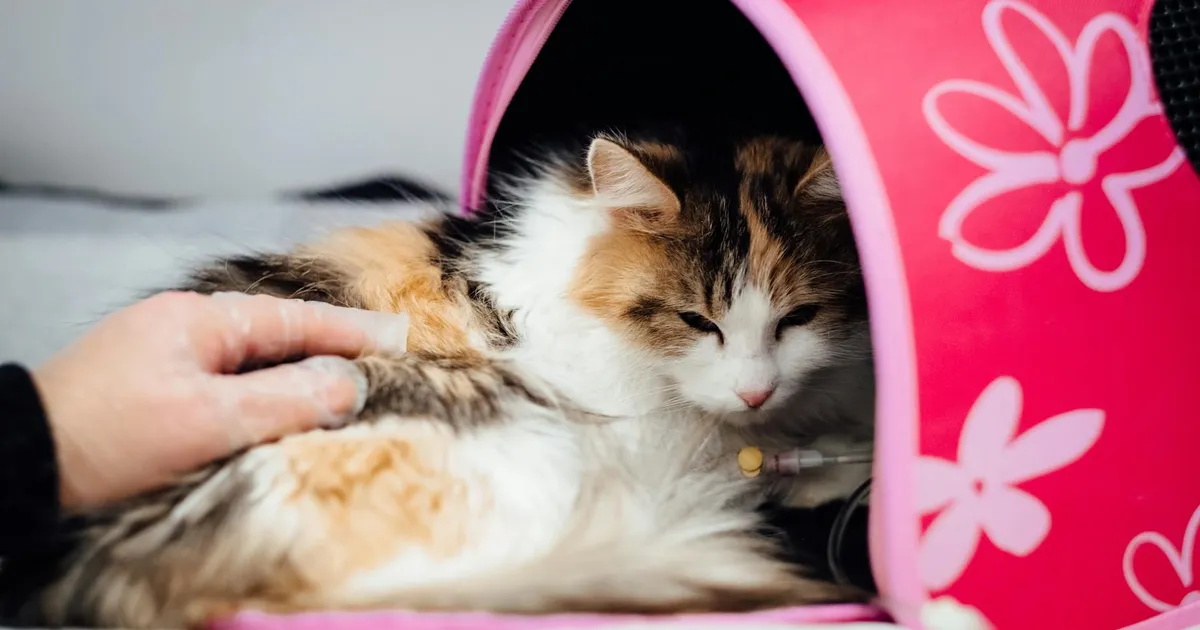


Veterinary visits can trigger significant anxiety in pets, but proactive carrier training techniques can dramatically reduce this stress. By associating the carrier with positive experiences, we transform it from a symbol of fear into a safe haven. This not only alleviates immediate anxiety during travel but also builds a foundation of trust between pet and owner, leading to smoother, more cooperative veterinary appointments. Implementing a consistent carrier training routine helps pets feel secure and in control, mitigating the negative impact of unfamiliar environments and procedures. Prioritizing this training demonstrates a commitment to your pet’s emotional well-being, resulting in a healthier, happier companion.
Selecting the Right Carrier
Choosing the appropriate carrier is the first step in effective training. Opt for a carrier that is appropriately sized, allowing your pet to stand, turn around, and lie down comfortably. Consider the material; hard-sided carriers are durable and easy to clean, while soft-sided carriers may be more appealing to some pets due to their plush interiors. However, ensure that any soft-sided carrier is sturdy enough to prevent collapse. A carrier with top and front openings offers versatility in approach, allowing you to load your pet in the way that makes them feel most secure. Remember that a comfortable carrier reduces the initial resistance and makes the training process much easier. Making the right choice for your animals will pay off in the long run.
Before beginning training, personalize the carrier to enhance its appeal. Line the carrier with a soft, familiar blanket or bed that carries your pet’s scent. Introduce enticing toys or treats inside to create positive associations. You can also spray the carrier with a calming pheromone spray designed for pets, such as Feliway for cats or Adaptil for dogs, to further reduce anxiety. Leave the carrier open and accessible in a common area of your home. This allows your pet to explore it at their own pace and desensitizes them to its presence. The goal is to make the carrier a safe, inviting space, rather than a source of apprehension.
Positive Association Techniques
Creating positive associations is fundamental to successful carrier training. Start by placing treats, toys, or catnip inside the carrier to entice your pet to enter voluntarily. Reward them with praise and affection when they do. Gradually increase the amount of time they spend inside. Once they are comfortable entering, begin feeding them their meals inside the carrier. This reinforces the positive connection and helps them view the carrier as a source of comfort and nourishment. Remember that patience and consistency are key. Do not force your pet into the carrier; instead, allow them to explore it at their own pace.
Use clicker training to further enhance positive associations. When your pet approaches the carrier, click the clicker and offer a treat. Gradually shape their behavior by clicking and rewarding them for increasingly closer interactions with the carrier, such as sniffing, pawing at it, or placing a paw inside. Once they are consistently entering the carrier, start closing the door briefly, gradually increasing the amount of time the door remains closed. Continue to reward them with treats and praise throughout the process. This systematic approach helps your pet develop a positive emotional response to the carrier.
Desensitization Strategies
Desensitization involves gradually exposing your pet to the carrier in a controlled, positive environment. Begin by simply placing the carrier in the room and allowing your pet to investigate it freely. Gradually introduce positive stimuli, such as treats or toys, near the carrier. Once your pet is comfortable with the carrier’s presence, start encouraging them to enter it voluntarily. Never force your pet into the carrier, as this can create negative associations. If your pet shows signs of anxiety, take a step back and proceed at a slower pace. The goal is to help your pet associate the carrier with positive experiences and reduce any fear or apprehension.
Gradual Introduction to Movement
Once your pet is comfortable spending time inside the carrier, start introducing movement gradually. Begin by picking up the carrier for a few seconds, then setting it back down. Reward your pet with treats and praise throughout the process. Gradually increase the duration and frequency of these short trips. Next, try carrying the carrier around the house for a few minutes at a time. Speak to your pet in a calm, reassuring voice to help them feel secure. Monitor their body language for signs of anxiety, such as panting, trembling, or excessive vocalization. If they show any of these signs, reduce the duration or intensity of the movement.
After your pet is comfortable being carried around the house, progress to taking short car rides. Start with very brief trips around the block, gradually increasing the distance and duration of the rides. Make sure the carrier is securely fastened in the car to prevent it from sliding or tipping over. Play calming music or use a pheromone diffuser in the car to further reduce anxiety. Upon returning home, reward your pet with a special treat or toy. The aim is to create positive associations with car travel and minimize any stress or fear associated with veterinary visits in 2026.
Simulating the Veterinary Environment
To further prepare your pet for veterinary visits, simulate aspects of the clinic environment at home. Gently examine their paws, ears, and mouth, just as a veterinarian would. Reward them with treats and praise for their cooperation. Acclimate them to being touched and handled in various ways, such as having their temperature taken (using a toy thermometer) or having their nails trimmed (even if you only trim one or two nails at a time). These simulations help desensitize your pet to the types of interactions they will experience at the vet’s office, making the actual visit less stressful. Consistent handling prepares them well for unexpected visits too.
Familiarize your pet with the sounds and smells of a veterinary clinic by playing recordings of veterinary sounds, such as barking dogs or meowing cats, at a low volume. You can also spray a small amount of a veterinary-specific scent in their environment to help them associate those smells with positive experiences, like treats and praise. By gradually exposing your pet to these stimuli, you can help reduce their anxiety and make veterinary visits more predictable and less frightening. Remember to always pair these stimuli with positive reinforcement to create a favorable association.
Maintaining Consistency and Reinforcement
Once your pet is comfortable with the carrier and short car rides, it is crucial to maintain consistency to reinforce their positive associations. Continue to use the carrier regularly, even when veterinary visits are not imminent. Utilize it as a safe space for your pet to retreat to when they feel overwhelmed or anxious. Offer treats and praise whenever they enter the carrier voluntarily. This consistent reinforcement helps solidify the positive connection and prevents them from reverting to previous fear-based associations. A regular routine avoids stress-related behavior changes.
Even after successful carrier training, unpredictable events can still trigger anxiety. Be prepared to adapt your approach as needed. If your pet shows signs of stress during a veterinary visit, remain calm and reassuring. Speak to them in a gentle voice and offer comforting touch. Consider bringing a favorite toy or blanket to the appointment to provide a sense of security. Work closely with your veterinarian to develop a plan for future visits, which may include using pre-visit calming medications or supplements. With ongoing consistency and reinforcement, you can help your pet maintain a positive attitude towards the carrier and veterinary care well into 2026.
Troubleshooting Common Challenges
Despite your best efforts, some pets may still resist carrier training. If this occurs, identify the specific source of their anxiety. Are they afraid of the carrier itself, the act of being confined, or the anticipation of a veterinary visit? Once you understand the root cause, you can tailor your approach accordingly. Consider seeking guidance from a professional pet trainer or veterinary behaviorist for personalized strategies. They can provide additional insights and techniques to address your pet’s unique needs and challenges. Remember, perseverance and patience are essential for overcoming these obstacles.
If your pet associates the carrier solely with veterinary visits, try to break this association by using the carrier for other, more pleasant activities. Take them for short car rides to fun destinations, such as a park or a friend’s house. Offer treats and praise throughout the journey. You can also use the carrier as a safe space during thunderstorms or fireworks, providing them with a sense of security and comfort. By diversifying the carrier’s uses, you can help your pet view it as a versatile tool for both necessary and enjoyable experiences.
Key Takeaways
- Choose an appropriately sized and comfortable carrier for your pet.
- Create positive associations by offering treats, toys, and praise inside the carrier.
- Gradually introduce movement and car rides to acclimate your pet to travel.
- Simulate aspects of the veterinary environment at home to reduce anxiety.
- Maintain consistency and reinforcement to solidify positive associations.
- Seek professional guidance if you encounter significant challenges.
Frequently Asked Questions
How long does carrier training typically take?
The duration of carrier training varies depending on the pet’s individual temperament and prior experiences. Some pets may adapt quickly within a few days, while others may require several weeks or even months. Patience and consistency are key to successful training. If your pet is particularly anxious, it is important to proceed at a slower pace and avoid rushing the process.
What if my pet refuses to enter the carrier?
If your pet refuses to enter the carrier, do not force them. Instead, try to entice them with high-value treats or toys. Place the treats just inside the carrier and gradually move them further in as your pet becomes more comfortable. You can also try using a pheromone spray to help them feel more relaxed. If your pet is still resistant, consult with a professional trainer or behaviorist for additional guidance.
Can I use punishment during carrier training?
No, punishment should never be used during carrier training or any other type of pet training. Punishment can create negative associations with the carrier and further increase your pet’s anxiety. Instead, focus on positive reinforcement techniques, such as rewarding your pet for approaching, entering, and remaining in the carrier. Positive reinforcement builds trust and helps your pet develop a positive emotional response to the carrier.
Is it okay to leave my pet in the carrier for extended periods?
Leaving your pet in the carrier for extended periods is generally not recommended, unless necessary for travel or veterinary visits. Prolonged confinement can lead to anxiety and distress. If you need to leave your pet in the carrier for more than a few hours, ensure they have access to fresh water, food, and a comfortable place to eliminate. Provide them with toys or other enrichment items to help keep them occupied. Always supervise your pet when they are in the carrier and allow them to stretch their legs and relieve themselves regularly.
What are some signs that my pet is anxious in the carrier?
Signs of anxiety in the carrier can include panting, trembling, excessive vocalization (whining, meowing, barking), pacing, restlessness, drooling, and attempting to escape. If you notice any of these signs, it is essential to address your pet’s anxiety promptly. Reduce the duration of time they spend in the carrier, provide them with reassurance, and consider using calming aids, such as pheromone sprays or supplements. In severe cases, consult with your veterinarian about anti-anxiety medications.
Conclusion
Investing time and effort into carrier training greatly benefits both you and your pet. By employing positive reinforcement and desensitization techniques, you transform the carrier from a source of stress to a safe haven. This not only reduces anxiety during veterinary visits but also strengthens your bond with your pet. A relaxed pet leads to more productive interactions with veterinary staff, ensuring accurate assessments and better overall care. Prioritizing your pet’s emotional well-being creates a smoother, more pleasant experience for everyone involved.