







Maintaining a clean indoor environment is crucial for the health and well-being of both humans and pets, and addressing cat litter box odor and cleanliness plays a pivotal role. Simple litter habits, diligently followed, can dramatically improve the air quality and overall hygiene of your home. This article explores easy-to-implement strategies that cat owners can adopt to keep their indoor spaces fresh and free of unwanted odors associated with cat waste. By focusing on proper selection, consistent scooping, regular cleaning, and strategic placement of litter boxes, you can create a more pleasant living environment for yourself and your feline companion.
Choosing the Right Litter
Selecting the appropriate litter type is the foundation for maintaining a clean and odor-free home. Clumping litter, made from bentonite clay, is a popular choice due to its ability to form solid clumps when wet, making scooping easier and more efficient. However, it can be dusty, which may trigger allergies in some cats and humans. Alternatives like crystal or silica gel litter offer excellent absorption and odor control, trapping moisture and minimizing smells. These litters are often less dusty than clay litters but can be more expensive.
- Unlock Your Cat's Genius: Easy Clicker Training Exercises for Smart Indoor Cats
- Carrier Training: Reduce Vet Visit Anxiety in Pets with Proven Techniques
- Humane Scratching Solutions: Protect Your Furniture Without Punishing Your Cat
- Positive Reinforcement: Train Your Kitten Fast with These Obedience Methods
Consider your cat’s preferences and any potential sensitivities when choosing a litter. Some cats may prefer the texture of clay litter, while others adapt readily to alternative materials. Experiment with different types to find one that your cat approves of and that effectively manages odor and mess. Additionally, explore eco-friendly options like recycled paper or wood-based litters, which are often biodegradable and offer good odor control while minimizing environmental impact. Ultimately, the best litter is one that your cat uses comfortably and that simplifies your cleaning routine.
Litter Box Material: Durability and Safety
The material of the litter box itself is also important to consider. Plastic litter boxes are the most common and affordable, but they can absorb odors over time and may crack or break. Stainless steel litter boxes are more durable and easier to clean, preventing odor absorption. Ensure the litter box material is non-toxic and safe for your cat, especially if they tend to chew or scratch at it. Regular inspection and replacement of worn-out litter boxes can help maintain hygiene and prevent the buildup of unpleasant odors.
Scooping Frequency & Techniques
Consistent scooping is arguably the most important habit for maintaining a clean litter box area. Aim to scoop the litter box at least once a day, and ideally twice, to remove solid waste and urine clumps before they start to decompose and release strong odors. Use a dedicated litter scoop with appropriately sized slots that allow clean litter to fall back into the box. This prevents unnecessary waste and helps conserve litter, saving you money in the long run. Consider investing in a quality scoop designed for durability and comfortable use.
When scooping, thoroughly examine all areas of the litter box, including the corners and bottom, to remove any stuck-on waste. Dispose of the scooped waste in a sealed bag or container to prevent odors from escaping. Consider using a designated trash can with a tight-fitting lid specifically for litter box waste. This will contain the smell and prevent it from permeating your home. Regular scooping not only reduces unpleasant odors but also encourages your cat to use the litter box consistently, preventing accidents outside the box.
Deep Cleaning Protocols
In addition to daily scooping, regular deep cleaning of the litter box is essential for preventing the buildup of bacteria and lingering odors. At least once a month, empty the entire litter box and thoroughly wash it with warm water and mild, unscented soap. Avoid using harsh chemicals or bleach, as these can be harmful to your cat and may leave behind residue that deters them from using the box. Rinse the litter box thoroughly to remove all traces of soap before refilling it with fresh litter.
Before adding new litter, ensure the litter box is completely dry to prevent moisture buildup. You can use a clean towel or leave it in the sun to dry naturally. Consider using a litter box liner to make cleaning easier. These liners can be lifted out of the box, containing all the old litter, which can then be easily disposed of. If the litter box is heavily soiled or damaged, consider replacing it altogether. Remember, a clean and well-maintained litter box is crucial for your cat’s health and your home’s cleanliness. By 2026, innovative self-cleaning litter boxes may be even more mainstream, simplifying this process further.
Strategic Litter Box Placement
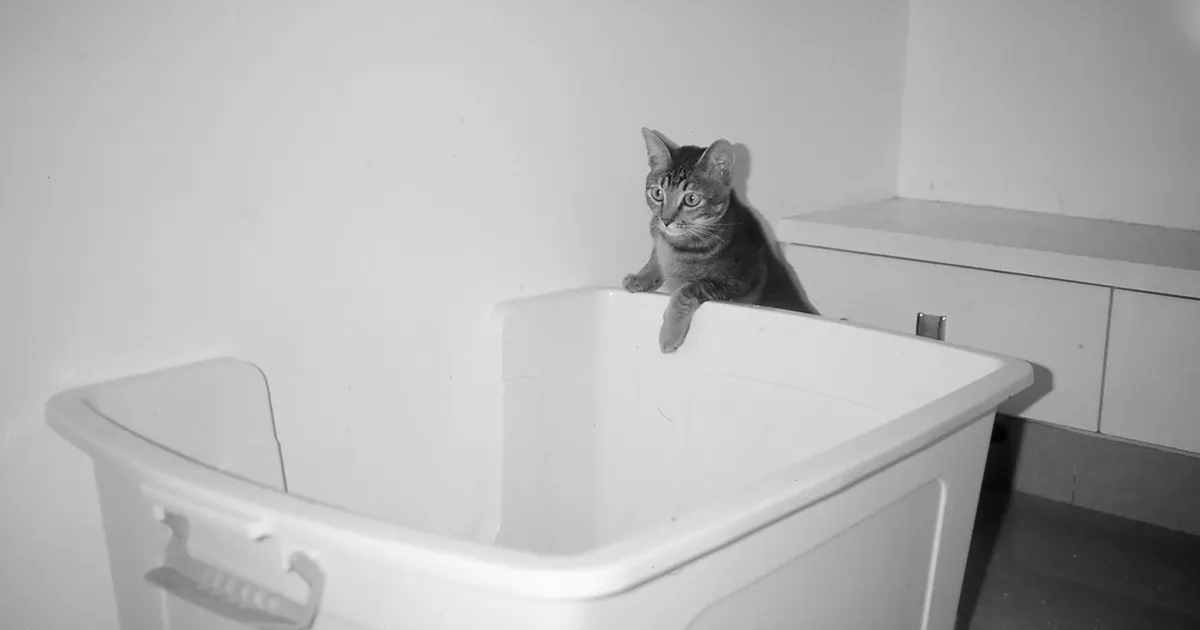
The location of the litter box plays a significant role in minimizing odors and maintaining a clean indoor environment. Place the litter box in a well-ventilated area to allow air to circulate and dissipate any escaping odors. Avoid placing it in enclosed spaces like closets or bathrooms with poor ventilation, as this can concentrate the smell. Choose a location that is easily accessible to your cat but also discreet and away from high-traffic areas of your home.
Consider the number of cats you have when determining the number and placement of litter boxes. A general rule of thumb is to provide one litter box per cat, plus one extra. Place the litter boxes in different locations throughout your home to give your cats options and prevent territorial issues. Avoid placing litter boxes near food and water bowls, as cats prefer to eliminate in a separate area. Strategic placement can significantly reduce odors and encourage proper litter box use, leading to a cleaner and more pleasant living environment.
Odor Control Solutions
Beyond regular cleaning, employing odor control solutions can further enhance the freshness of your home. Consider using a litter box deodorizer specifically designed for cat waste. These deodorizers come in various forms, including powders, sprays, and absorbent crystals, and they work by neutralizing odors rather than simply masking them. Choose a product that is safe for your cat and effective at controlling smells. Avoid using heavily scented products, as cats are often sensitive to strong fragrances and may avoid using the litter box altogether.
In addition to litter box deodorizers, consider using air purifiers with activated carbon filters to remove airborne odors and improve overall air quality. These purifiers can help eliminate pet dander, dust, and other allergens, creating a healthier environment for both you and your cat. Baking soda is also a natural and effective odor absorber. Place an open box of baking soda near the litter box to help neutralize odors. Remember, a combination of regular cleaning, odor control products, and good ventilation can significantly reduce litter box odors and maintain a fresh-smelling home. In 2026, look for even more advanced solutions using bio-enzymes.
Monitoring Your Cat’s Health
Changes in your cat’s litter box habits, such as increased frequency, straining, or changes in stool consistency, can be indicators of underlying health issues. Monitor your cat’s urine and feces regularly for any abnormalities, and consult your veterinarian if you notice anything unusual. Certain medical conditions, such as urinary tract infections or kidney problems, can affect your cat’s urine odor and frequency, making it more difficult to control litter box smells. Early detection and treatment of these conditions can not only improve your cat’s health but also help minimize unwanted odors.
Providing your cat with a balanced diet and ensuring they have access to fresh water can also contribute to their overall health and well-being, potentially influencing the composition and odor of their waste. Regular veterinary check-ups are crucial for maintaining your cat’s health and identifying any potential problems early on. A healthy cat is more likely to have regular and predictable litter box habits, making it easier to maintain a clean and odor-free home. By being proactive about your cat’s health, you can prevent issues that may contribute to unpleasant litter box odors.
Key Takeaways
- Choose the right type of litter based on your cat’s preferences and odor control effectiveness.
- Scoop the litter box at least once a day, and ideally twice, for optimal cleanliness.
- Deep clean the litter box monthly using warm water and mild, unscented soap.
- Strategically place litter boxes in well-ventilated and accessible locations.
- Use litter box deodorizers and air purifiers to further control odors.
- Monitor your cat’s litter box habits for any signs of health issues.
Frequently Asked Questions
How often should I completely change the litter in the box?
Ideally, you should completely empty and clean the litter box every 3-4 weeks. This frequency may vary depending on the type of litter you use and the number of cats using the box. Regular deep cleaning prevents the buildup of bacteria and lingering odors.
What’s the best way to dispose of used cat litter?
The best way to dispose of used cat litter is to seal it in a plastic bag and dispose of it in your regular trash. Some municipalities may have specific guidelines for disposing of pet waste, so it’s always a good idea to check with your local waste management authority. Never flush cat litter down the toilet, as it can clog pipes and damage septic systems.
My cat is suddenly refusing to use the litter box. What should I do?
If your cat suddenly stops using the litter box, it’s important to rule out any underlying medical issues. Schedule a visit with your veterinarian to ensure your cat is healthy. If no medical problems are found, consider whether there have been any changes in the litter box setup, litter type, or environment that may be causing your cat stress. Trying a new litter box, litter type, or moving the box to a quieter location can resolve the issue. The Humane Society website offers excellent resources.
Are scented litters a good way to control odor?
While scented litters may seem like a good solution for controlling odor, many cats are sensitive to strong fragrances and may avoid using them. Opt for unscented litters that are formulated to neutralize odors naturally. You can also use a litter box deodorizer specifically designed for cat waste.
How can I prevent my cat from kicking litter out of the box?
If your cat tends to kick litter out of the box, consider using a litter box with high sides or a covered litter box. You can also place a litter mat in front of the box to catch any stray litter. Some cats are simply more enthusiastic diggers than others, so finding the right combination of litter box and litter mat can help contain the mess.
Conclusion
By establishing simple but consistent litter habits, you can significantly improve the cleanliness and air quality of your indoor environment. From selecting the right litter and maintaining a frequent scooping schedule to implementing deep cleaning protocols and strategically placing litter boxes, each step contributes to minimizing odors and creating a more pleasant living space. Remember to monitor your cat’s habits for any potential health concerns. Embracing these practices ensures a harmonious and hygienic home for both you and your feline companion for years to come.