





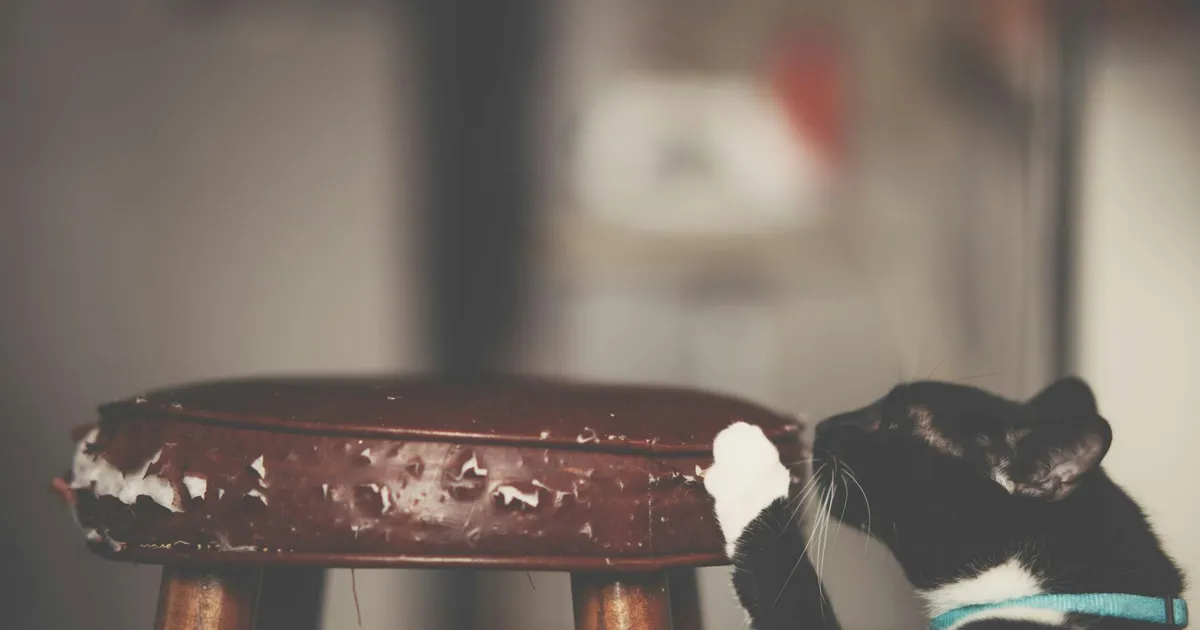


Furniture scratching is a common behavioral issue in cats, and understanding how to prevent it without resorting to harmful punishment is crucial for maintaining a harmonious household. Traditional methods that involve yelling, spraying water, or physical reprimands can create anxiety and fear in your cat, ultimately damaging your relationship. Instead, a positive, proactive approach that caters to your cat’s natural instincts is far more effective and humane. This guide provides expert-backed strategies to redirect scratching behavior, protect your furniture, and enhance your cat’s well-being. By implementing these methods, you can create a mutually beneficial environment where your cat feels safe, secure, and has appropriate outlets for scratching.
Understanding Feline Scratching Behavior
Scratching is an innate behavior in cats, serving several essential purposes. It’s not merely a destructive act; it’s a vital part of their physical and emotional well-being. Cats scratch to sharpen their claws, removing the outer dead layers to reveal the healthy new claws underneath. This process helps them maintain the condition of their claws and keep them ready for climbing, hunting, and self-defense. Furthermore, scratching allows cats to stretch their muscles, particularly in their back and shoulders, providing a full-body workout.
Beyond the physical benefits, scratching also serves as a form of communication. Cats have scent glands in their paws, and when they scratch, they leave behind both a visual mark and a scent marker, signaling their presence to other cats. This territorial marking helps them establish ownership and communicate their status within their environment. Understanding these fundamental reasons behind scratching is the first step in effectively managing and redirecting this behavior. By providing appropriate outlets that fulfill these needs, you can protect your furniture and ensure your cat remains happy and healthy.
Creating an Appealing Scratching Environment
The key to redirecting scratching behavior is to provide alternative scratching surfaces that are more appealing than your furniture. This involves offering a variety of scratching posts, pads, and trees in different materials, textures, and orientations. Sisal rope, cardboard, carpet, and wood are all popular choices, and cats often have preferences for one over another. Experiment with different options to determine what your cat finds most attractive. It is important to consider vertical vs horizontal scratching surfaces.
Placement is also crucial. Position the scratching posts near areas where your cat already likes to scratch, such as next to the sofa or bed. You can also place them in high-traffic areas of your home to encourage your cat to use them more frequently, such as main entryways or hallways. Making these scratching areas readily accessible and enticing will drastically reduce the likelihood of your cat targeting your furniture. Consider using catnip strategically placed on or around the posts to further entice your feline friend.
Scratching Post Placement Tips
Effective placement of scratching posts is not just about convenience, it’s about understanding your cat’s habits. Observe where your cat currently scratches and put a post nearby. Cats often scratch after waking up, so placing a post near their sleeping area is a good strategy. If you have multiple cats, ensure there are enough scratching resources to prevent competition or dominance behavior. Consider having a scratching post on each floor of a multi-level home or in different key zones to ensure your cat always has a suitable spot to scratch.
Using Deterrents on Furniture
While providing appealing scratching alternatives is essential, you may also need to make your furniture less attractive to your cat. This can be achieved using a variety of cat-safe deterrents. Double-sided sticky tape is a popular and effective option. Cats dislike the feeling of sticky surfaces on their paws and will typically avoid areas covered with it. You can also use plastic furniture covers or blankets to protect upholstered items from scratches.
Another approach is to use scent deterrents. Citrus scents, lavender, and eucalyptus are often disliked by cats and can be sprayed lightly around your furniture to discourage scratching. However, always ensure that the product is safe for pets and won’t damage your furniture. Regularly reapply these deterrents as needed to maintain their effectiveness. Using a combination of physical and scent deterrents can be a powerful way to protect your furniture while encouraging your cat to use their designated scratching areas. However, avoid any strong smelling cleaners that include ammonia; the scent will attract your cat to urinate there in 2026.
Positive Reinforcement Techniques
Positive reinforcement is a powerful tool for shaping your cat’s behavior and encouraging them to use the scratching post instead of your furniture. Whenever you see your cat scratching the post, immediately reward them with praise, petting, or a treat. This creates a positive association with the scratching post and reinforces the desired behavior. You can also reward your cat for simply interacting with the post, such as sniffing or rubbing against it.
Avoid punishing your cat for scratching furniture, as this can create fear and anxiety, potentially leading to other behavioral issues. Instead, focus on rewarding the desired behavior whenever it occurs. Consistency is key. The more consistently you reward your cat for using the scratching post, the more likely they are to continue using it in the future. With patience and positive reinforcement, you can effectively redirect your cat’s scratching behavior and protect your furniture without resorting to harmful punishments. Remember to continue reinforcing the behavior periodically, even after your cat stops scratching the furniture. This reinforcement ensures continued use and discourages relapses.
Maintaining Claw Health
Regular nail trimming can significantly reduce the damage caused by scratching. Trimming the tips of your cat’s claws every few weeks will help to minimize their sharpness and make it harder for them to damage your furniture. Use nail clippers specifically designed for cats, and be careful not to cut too close to the quick, which is the pink part of the nail containing blood vessels and nerves.
If you are unsure how to trim your cat’s nails, ask your veterinarian or a professional groomer for a demonstration. They can show you the proper technique and provide tips for making the process as stress-free as possible for your cat. Regular nail trimming, combined with appropriate scratching surfaces, is an effective way to manage your cat’s scratching behavior and protect your furniture. This routine care also benefits your cat’s health by keeping their claws in good condition and preventing them from becoming overgrown or ingrown, further discouraging scratching.
Addressing Underlying Behavioral Issues
Sometimes, excessive scratching can be a sign of an underlying behavioral issue, such as stress, anxiety, or boredom. If your cat is scratching excessively, even with appropriate scratching surfaces available, it’s essential to address the root cause of the problem. Provide plenty of enrichment activities to keep your cat mentally and physically stimulated, such as interactive toys, puzzle feeders, and climbing structures. These activities can help reduce boredom and prevent destructive behaviors.
If you suspect your cat is experiencing stress or anxiety, consult with your veterinarian or a certified feline behaviorist. They can help you identify the source of the stress and develop a treatment plan that may include environmental modifications, behavior modification techniques, or medication. Addressing any underlying behavioral issues, alongside providing appropriate scratching outlets, is crucial for effectively managing and preventing furniture scratching. Ignoring these underlying issues can lead to a cycle of frustration for both cat and owner, so early intervention is often key and will help both your cat and your furniture in 2026.
Key Takeaways
- Understand that scratching is a natural and necessary behavior for cats.
- Provide a variety of appealing scratching surfaces in different materials and locations.
- Use cat-safe deterrents on furniture to make it less attractive to cats.
- Employ positive reinforcement techniques to reward your cat for using scratching posts.
- Maintain your cat’s claw health with regular trimming.
- Address any underlying behavioral issues that may be contributing to excessive scratching.
Frequently Asked Questions
Why is my cat scratching the furniture even though they have a scratching post?
Your cat may be scratching the furniture because the scratching post isn’t appealing enough, it’s not in a convenient location, or your cat prefers the texture of the furniture. Experiment with different types of scratching posts and locations, and try using catnip to entice your cat to use the post.
How do I introduce my cat to a new scratching post?
Place the scratching post near your cat’s favorite sleeping or resting area, or near where they currently scratch. Rub catnip on the post to make it more appealing, and reward your cat with praise and treats when they interact with it. Be patient and persistent, and eventually, your cat will associate the post with positive experiences.
What if my cat is still scratching the furniture after I’ve tried everything?
If you’ve tried various strategies and your cat is still scratching the furniture, consult with your veterinarian or a certified feline behaviorist. They can help you identify any underlying behavioral issues and develop a customized treatment plan to address the problem effectively.
Are there any scratching posts that are better than others?
The best scratching post is the one that your cat actually uses! However, many cats prefer tall, sturdy posts covered in sisal rope. Some cats also enjoy cardboard scratchers or horizontal scratching pads. Experiment to find what your cat prefers; a vertical post can accommodate a full stretch while a horizontal scratcher is perfect for nail grooming.
Is declawing a good solution for furniture scratching?
Declawing is a surgical procedure that involves amputating the last bone in each of your cat’s toes. It is a painful and unnecessary procedure that can lead to long-term physical and behavioral problems. Declawing is not recommended and is considered inhumane by many veterinarians and animal welfare organizations. The alternative methods outlined in this guide are much more humane and effective.
Conclusion
Effectively preventing furniture scratching without resorting to harmful punishments requires patience, understanding, and a proactive approach. Creating an inviting scratching environment, using safe deterrents, and employing positive reinforcement techniques are essential for redirecting your cat’s natural scratching behavior. Regular claw maintenance and addressing any underlying behavioral issues can further contribute to a harmonious household where your cat’s needs are met, and your furniture remains protected. By implementing these strategies, you can foster a stronger bond with your feline companion while ensuring a comfortable and enriching environment for both of you.