






Positive reinforcement is a highly effective and humane method for training kittens, yielding faster and more reliable obedience compared to punishment-based approaches. Unlike traditional methods that rely on scolding or physical correction, positive reinforcement focuses on rewarding desired behaviors, making the learning process enjoyable for your feline friend. By understanding the principles of positive reinforcement and implementing them consistently, you can establish a strong bond with your kitten while shaping their behavior in a positive and lasting way. This approach not only improves obedience but also promotes a confident and well-adjusted kitten, setting the stage for a harmonious relationship for years to come. In fact, many vets recommend positive reinforcement as the best ways to achieve kitten training milestones in 2026.
Understanding Positive Reinforcement
At its core, positive reinforcement involves adding something desirable to the environment whenever a kitten performs a behavior you want to encourage. This “something” can take many forms, such as treats, praise, petting, or even a favorite toy. The key is to immediately deliver the reward after the kitten exhibits the desired action. Timing is crucial; the closer the reward follows the behavior, the stronger the association becomes. This consistent pairing of action and reward motivates the kitten to repeat the behavior in the future.
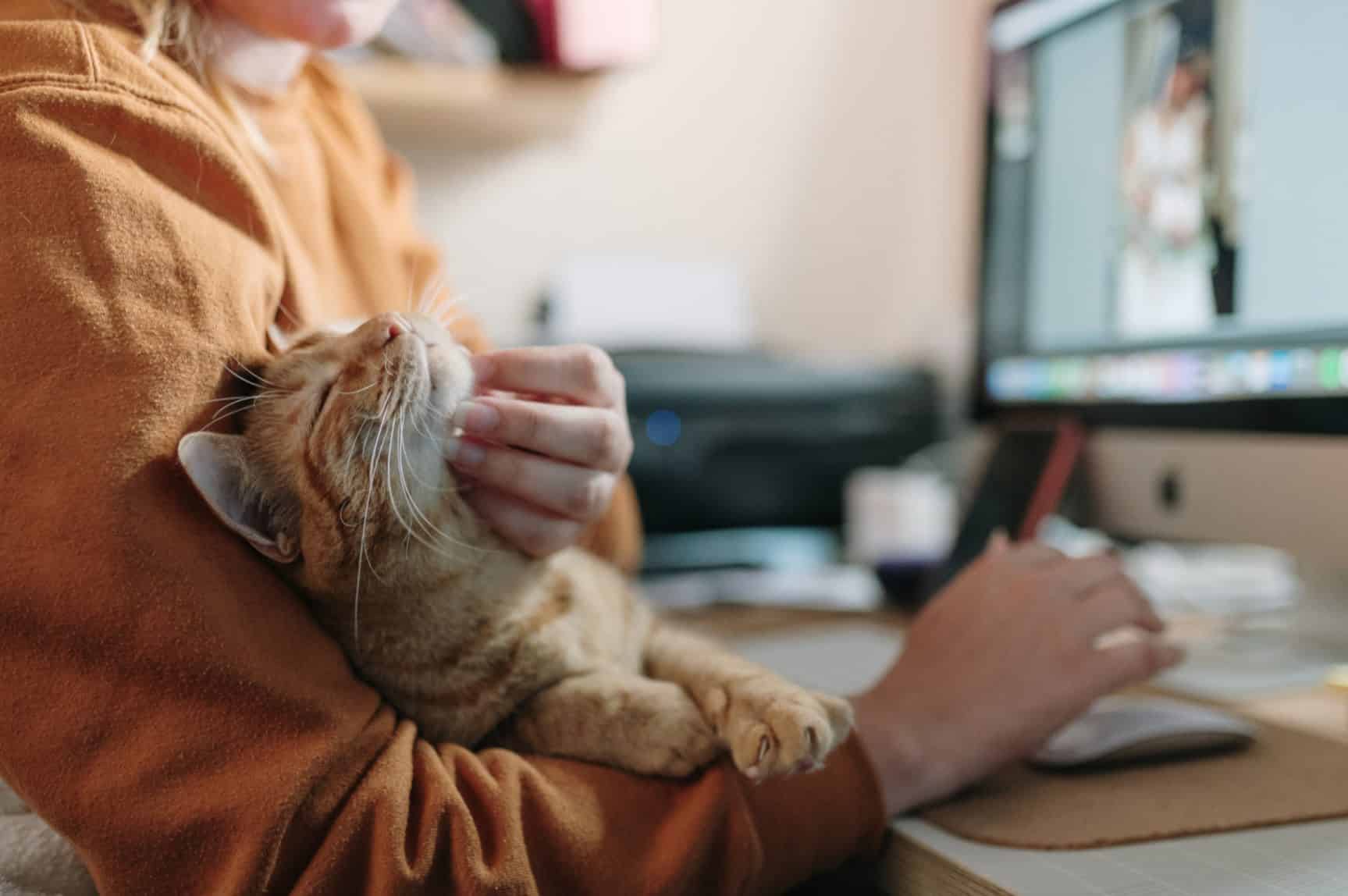
It’s important to identify what motivates your individual kitten. Some kittens are highly food-motivated and will readily perform for a tasty treat, while others are more responsive to affection or play. Experiment with different types of rewards to discover what your kitten finds most appealing. Once you’ve identified their preferred reinforcers, you can use them strategically to shape their behavior. Positive reinforcement also helps build trust and strengthens the bond between you and your kitten, creating a more positive and fulfilling relationship. You can find more information on cat behavior at the ASPCA website.
Essential Tools for Kitten Training
While positive reinforcement is a powerful technique, having the right tools can significantly enhance your training efforts. High-value treats are essential, especially during initial training phases. These should be small, soft, and irresistible to your kitten. A clicker can also be a valuable tool for marking the exact moment your kitten performs the desired behavior. The clicker sound becomes associated with a reward, creating a clear and consistent signal for your kitten to understand.
Other helpful tools include a comfortable harness and leash for outdoor training, puzzle toys to keep your kitten mentally stimulated, and scratching posts to redirect instinctive scratching behavior. Remember, creating a positive and enriching environment plays a crucial role in preventing behavioral issues and promoting overall well-being. By providing your kitten with appropriate outlets for their natural behaviors, you can make training easier and more enjoyable for both of you. Investing in these tools is investing in a better relationship with you and your kitten.
Teaching Basic Commands
Start with simple commands like “sit,” “stay,” and “come.” Use a treat to lure your kitten into the desired position, and immediately reward them when they comply. For example, hold a treat above your kitten’s head and slowly move it backward, encouraging them to sit. As soon as their rear touches the ground, say “sit” and give them the treat.
Repeat this process several times a day for short sessions of 5-10 minutes. Consistency is key. Use the same commands and hand signals each time to avoid confusion. Gradually increase the duration of the “stay” command as your kitten progresses. Remember to always end training sessions on a positive note, leaving your kitten feeling successful and motivated. Celebrate even small victories along the way!
Clicker Training Explained
Clicker training involves associating a specific sound – the “click” – with positive reinforcement. The clicker acts as a bridge, marking the precise moment your kitten performs the desired behavior, even if you can’t deliver the treat immediately. This clear signal helps your kitten understand exactly what they’re being rewarded for.
Addressing Common Behavioral Issues
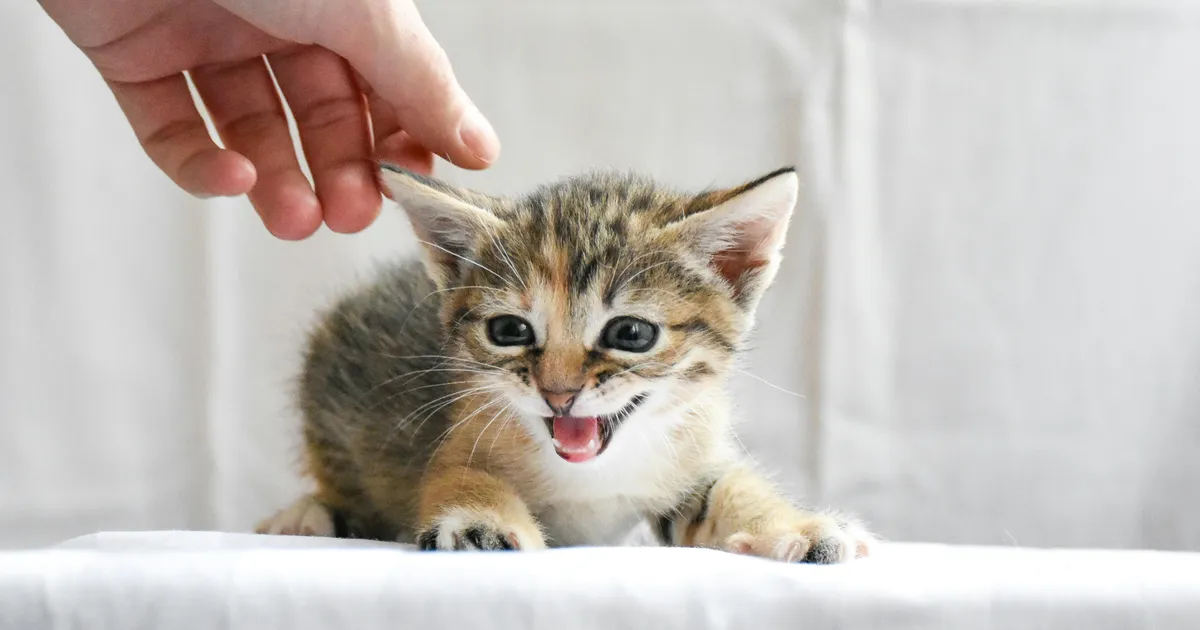
Positive reinforcement can be effectively used to address common kitten behavioral issues such as scratching furniture, biting, and excessive meowing. Instead of scolding your kitten for scratching the sofa, redirect their attention to a scratching post and reward them when they use it. If your kitten tends to bite during play, gently withdraw your attention and end the play session. They’ll soon learn that biting results in the loss of playtime.
For excessive meowing, try to identify the underlying cause. Are they hungry, bored, or seeking attention? Address the need appropriately and reward them for being quiet. Remember that consistency and patience are critical when dealing with behavioral issues. Positive reinforcement may take time, but it’s a more humane and effective approach than punishment. In 2026, many owners are using sophisticated cat behavior monitoring to better understand underlying causes.
Socialization and Positive Experiences
Socialization is a crucial aspect of kitten development, and positive reinforcement plays a vital role in creating positive associations with new people, places, and things. Expose your kitten to a variety of sights, sounds, and experiences from a young age, always ensuring they feel safe and comfortable. Reward them with treats and praise for remaining calm and curious in new situations.
Introduce your kitten to different people gradually, allowing them to approach at their own pace. If your kitten is fearful or hesitant, don’t force interaction. Instead, create a positive association by offering treats or engaging in playful activities nearby. Positive socialization experiences during kittenhood can help prevent fear and aggression later in life, contributing to a well-adjusted and confident cat. You can find more information about feline socialization at sites like the American Animal Hospital Association website.
Maintaining Consistency and Patience
Consistency is paramount when using positive reinforcement for kitten obedience. Everyone in the household should use the same commands and reward system to avoid confusing the kitten. Be patient and understanding, as it may take time for your kitten to fully grasp what you’re asking of them. Avoid getting frustrated or resorting to punishment, as this can damage your relationship and hinder the training process.
Remember that every kitten learns at their own pace. Some may pick up commands quickly, while others may require more time and repetition. Celebrate small victories and focus on building a positive and trusting relationship with your kitten. With consistency, patience, and a positive attitude, you can successfully shape your kitten’s behavior and create a well-behaved and loving companion.
Key Takeaways
- Positive reinforcement is more effective than punishment for kitten training.
- Identify what motivates your kitten to maximize the effectiveness of rewards.
- Use a clicker to mark the precise moment of desired behavior.
- Consistency and patience are crucial for successful training.
- Socialize your kitten early to create positive associations.
- Address behavioral issues by redirecting unwanted behaviors and rewarding desired ones.
Frequently Asked Questions
What if my kitten isn’t food-motivated?
If your kitten isn’t particularly interested in food, experiment with other types of rewards, such as praise, petting, or play. Some kittens respond well to verbal encouragement and physical affection, while others are more motivated by toys or interactive games.
How long should training sessions be?
Keep training sessions short and frequent, especially when working with kittens. Aim for sessions of 5-10 minutes, several times a day. This will help keep your kitten engaged and prevent them from becoming bored or overwhelmed.
What do I do if my kitten stops performing a command?
If your kitten stops responding to a command, revisit the basics and make the training easier. You may need to increase the value of the reward or break down the command into smaller steps. Avoid getting frustrated and remember to end the session on a positive note.
Is it okay to use positive reinforcement for all behaviors?
Yes, positive reinforcement can be used to encourage a wide range of desired behaviors, from using the litter box to coming when called. Focus on rewarding behaviors you want to see more of, and ignore or redirect unwanted behaviors.
How do I stop my kitten from biting during play?
If your kitten bites during play, immediately stop the play session and withdraw your attention. This will teach them that biting results in the loss of playtime. You can also redirect their attention to a toy instead of your hand.
Conclusion
Implementing positive reinforcement methods provides a pathway to a well-behaved and happy kitten. By focusing on rewarding desired behaviors and creating positive associations, you can establish a strong bond with your feline companion while effectively shaping their behavior. Remember that consistency, patience, and understanding are key to success. With dedication and a positive approach, you can unlock your kitten’s full potential and enjoy a fulfilling and harmonious relationship for years to come. Positive reinforcement is not just a training technique; it’s a way to communicate effectively with your kitten and build a lasting bond of trust and affection.