




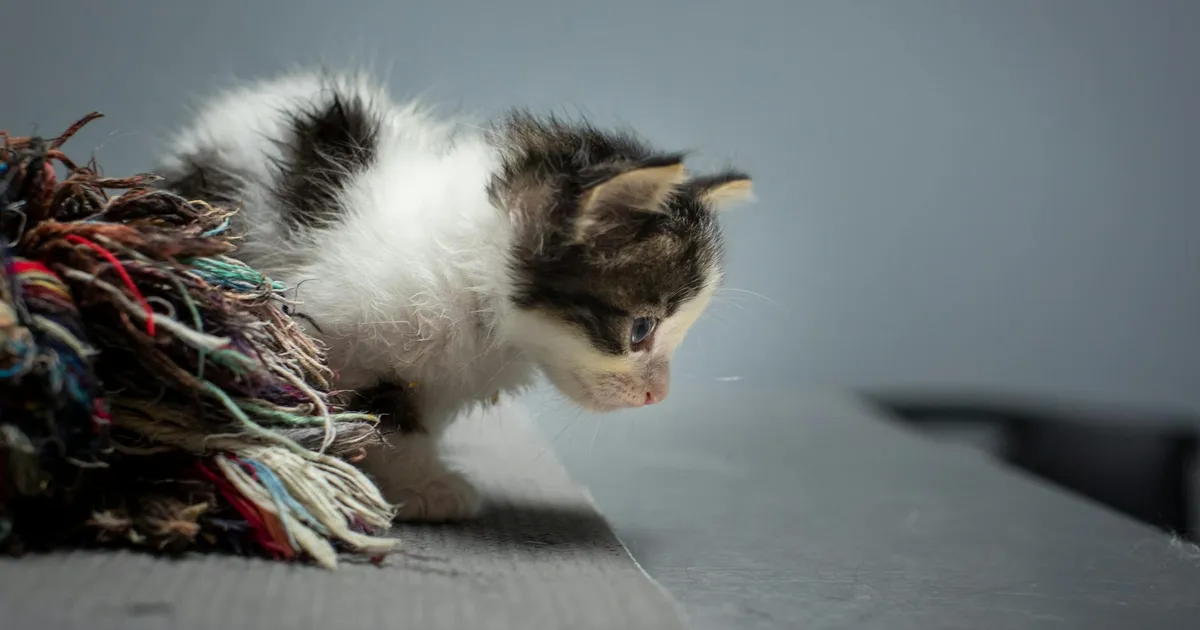


The plight of homeless urban kittens is a growing concern in many cities, and community rescue missions are stepping up to address this challenge. These missions, often composed of dedicated volunteers and funded by donations, play a crucial role in rescuing, rehabilitating, and rehoming vulnerable kittens found in urban environments. From abandoned litters in alleyways to stray individuals struggling to survive, these organizations provide a lifeline for countless felines. Their work extends beyond mere rescue; it encompasses ensuring the kittens receive necessary medical care, socialization, and a chance at a healthy, happy life in loving homes. Success relies on community awareness, fostering, and support.
Understanding the Urban Kitten Crisis
The increasing number of homeless urban kittens is a complex issue rooted in several factors. Unspayed or unneutered feral cat populations contribute significantly to the problem, leading to uncontrolled breeding and a surge in kitten births. Economic hardship can also force pet owners to abandon their animals, many of whom are pregnant cats. Inadequate animal control resources and a lack of public awareness further exacerbate the situation. These combined challenges create a perfect storm, leaving countless kittens vulnerable to disease, starvation, and traffic hazards in the harsh urban landscape.
To combat this crisis effectively, a multifaceted approach is essential. Targeted trap-neuter-release (TNR) programs are vital for controlling feral cat populations and preventing future litters. Accessible and affordable spay/neuter services for pet owners are crucial. In addition, public education campaigns can raise awareness about responsible pet ownership and the importance of adoption. Collaboration among rescue organizations, local shelters, and community members is necessary to provide comprehensive care for rescued kittens and find them suitable homes. By implementing these strategies, we can alleviate suffering and create a more humane environment for urban cats.
How Community Rescue Missions Operate
Community rescue missions operate through various methods to locate and rescue homeless urban kittens. Volunteers often conduct regular patrols in areas known to have stray or feral cat populations, searching for kittens in need of assistance. They may also receive tips from residents who have spotted abandoned litters or individual kittens. Once located, the kittens are carefully trapped or captured using humane methods. Safety is paramount during the rescue process, ensuring the kittens are handled gently and brought to a safe environment for assessment and care.
Upon rescue, kittens are immediately taken to a veterinarian for a thorough medical examination. This includes vaccinations, deworming, and treatment for any injuries or illnesses they may have. Those too young to eat solid food are bottle-fed. They’re placed in foster homes where they receive socialization and care until they are ready to be adopted. Rescue missions rely heavily on foster families to provide a loving and nurturing environment for these vulnerable animals giving them a chance for a better life. These foster homes act as holding places for sick kittens, acting as a safe place to rest up for a real home.
Trap-Neuter-Release (TNR) Programs
Trap-Neuter-Release (TNR) is a central component of many community rescue missions. TNR involves humanely trapping feral cats, sterilizing them, and then returning them to their original location. This prevents further breeding, which helps control the population growth of feral cats. The cats are also ear-tipped—a small portion of the ear is removed—to identify them as having been part of a TNR program. TNR programs have been shown to be effective in reducing feral cat populations over time, making them a crucial tool for managing the urban kitten crisis. These programs benefit both the cats and the community by reducing the number of animals suffering on the streets.
The Importance of Fostering Kittens
Fostering kittens is an essential aspect of community rescue missions. Foster homes provide a safe, nurturing environment for kittens who are often too young or vulnerable to be immediately placed in permanent adoptive homes. Fostering provides the essential socialization, care, and attention that kittens need to thrive. It allows them to grow and develop in a comfortable setting, which vastly improves their chances of finding loving, permanent homes.
Foster parents provide daily care for kittens, including feeding, cleaning, and providing affection. Kittens learn to trust humans and interact positively with them through the loving care of foster families. This socialization is crucial for their development and helps them become well-adjusted pets. Foster care also provides a temporary haven where kittens can recover from illnesses or injuries under the watchful eye of compassionate caregivers. Without foster homes, many rescue missions would struggle to save as many urban kittens as they do.
Adoption and Finding Forever Homes
Community rescue missions actively work to find permanent, loving homes for the kittens they rescue. Adoption events, often held in partnership with local pet stores or community centers, are a common way to showcase available kittens to potential adopters. Online platforms, such as social media and adoption websites, are also utilized to promote adoptable kittens and reach a wider audience. These events and online campaigns highlight the personality and needs of each kitten, helping match them with the right family.
Before an adoption is finalized, potential adopters are carefully screened to ensure they can provide a suitable and loving home. This often involves an application process, interviews, and home visits. Rescue missions want to ensure that each kitten is placed in a safe and supportive environment where they will receive proper care for the duration of their lives. This thorough screening process maximizes the chances of a successful adoption and helps prevent future abandonment situations.
Challenges Faced by Rescue Missions
Despite their dedication, community rescue missions face numerous challenges in their efforts to help homeless urban kittens. Funding is always a major concern, as these organizations rely heavily on donations and grants to cover the costs of veterinary care, food, and supplies. Limited resources can restrict the number of kittens they can rescue and care for at any given time.
Another significant challenge is the sheer volume of kittens needing rescue. The constant influx of abandoned litters and stray kittens can overwhelm rescue missions, especially during kitten season. Limited foster homes also pose a challenge, as the availability of foster families directly impacts the number of kittens that can be temporarily housed and cared for. The high turnover of feral cat populations can make controlling the problem even more difficult, leaving rescue workers with a constant uphill battle. Some anticipate challenges and population growth to increase through 2026.
How You Can Support Rescue Efforts
There are many ways to support community rescue missions and contribute to their efforts. Donating funds is a direct way to help cover veterinary bills, food costs, and other essential expenses. Even small contributions can make a big difference in the lives of rescued kittens. Consider volunteering your time to help with various tasks, such as fostering kittens, assisting at adoption events, or providing administrative support. Your skills and time can be invaluable.
Spreading awareness about the work of rescue missions can also have a significant impact. Share their social media posts, talk to friends and family about the importance of adoption, and advocate for responsible pet ownership in your community. If you are considering getting a pet, adopt from a local rescue organization rather than purchasing from a breeder. By supporting rescue efforts in various ways, you can help create a brighter future for homeless urban kittens and contribute to a more humane community.
Key Takeaways
- Community rescue missions are vital for rescuing homeless urban kittens.
- TNR programs help control feral cat populations and prevent future litters.
- Fostering kittens provides essential socialization and care.
- Adoption events and online platforms help find loving homes for rescued kittens.
- Rescue missions face challenges such as limited funding and high kitten volume.
- You can support rescue efforts through donations, volunteering, and spreading awareness.
Frequently Asked Questions
What is a feral cat?
A feral cat is a cat that has either never had human contact or has reverted to a wild state after being previously domesticated. Feral cats are not socialized to humans and typically avoid human interaction.
What is TNR?
TNR stands for Trap-Neuter-Release. It is a humane method of controlling feral cat populations by trapping cats, sterilizing them, and then returning them to their original location. This prevents further breeding.
Why is fostering important?
Fostering provides a safe and nurturing environment for kittens who are too young or vulnerable to be immediately adopted. It allows them to receive socialization, care, and attention, which improves their chances of finding loving homes.
How can I donate to a rescue mission?
Many rescue missions have websites or social media pages where you can make online donations. You can also send a check or money order to their mailing address. Some organizations also accept donations of food, supplies, or other items.
What should I do if I find a litter of kittens?
Observe the kittens from a distance to see if their mother is nearby. If the kittens appear to be abandoned or in distress, contact a local rescue organization or animal shelter for guidance. Do not attempt to handle or move the kittens without professional advice. The hope is that by 2026, there will be fewer abandoned kittens.
Conclusion
Community rescue missions are essential in addressing the problem of homeless urban kittens. These dedicated organizations and volunteers work tirelessly to rescue, rehabilitate, and rehome vulnerable felines, providing them with a second chance at life. By implementing effective TNR programs, promoting fostering, and facilitating adoptions, they make a significant impact on the well-being of urban cat populations. Supporting these rescue efforts through donations, volunteering, and raising awareness is crucial to ensuring that more kittens receive the care and love they deserve and helping create a more compassionate society for all animals.